
Last updated November 17, 2026
 Hardwood
 Engineered hardwood
 Luxury vinyl plank
 Laminate
 Porcelain tile
 Carpet
 Shaw
 Mohawk
 COREtec
 Pergo
Free in-home measure and written estimate: Shaw, Mohawk, COREtec and Pergo lines compared on your own rooms, with carpet, tile, vinyl plank, laminate and hardwood laid out side by side
Get your free estimateFlooring Installation Questions to Ask Before You Sign
Most flooring problems we get called out to look at didn’t start with a bad product. They started with a signed contract that never said who handles subfloor prep, what happens if moisture turns up halfway through the job, or what the labor warranty actually covers once the crew packs up. The floor itself was fine. The paperwork wasn’t. Before you sign anything in Whitney, you need to know which questions separate a contractor who knows floors from one who knows how to sell them. This guide walks through the specific, technical questions to ask, in the order they matter.
Quick Answer
The questions that matter most before signing a flooring contract are: who assesses and pays for subfloor repair, what exact product line and wear layer you’re getting, what the labor warranty covers and what voids it, how change orders get priced and approved, and who actually performs the installation. Get those five answered in writing and you’ve eliminated most of the risk. Everything else is detail you can confirm at the estimate.
Styles & brands we work with
- Hardwood
- Engineered hardwood
- Luxury vinyl plank
- Laminate
- Porcelain tile
- Carpet
- Shaw
- Mohawk
- COREtec
- Pergo
Table of Contents
- Who Handles the Subfloor, and What’s in Writing?
- What Exact Product Spec Are You Getting?
- What Does the Labor Warranty Actually Cover?
- How Do Change Orders Work Mid-Job?
- Who’s Actually Doing the Installation?
- How Was the Measurement and Estimate Built?
- What Happens to the Old Floor and the Furniture?
- Common Mistakes to Avoid
Who Handles the Subfloor, and What’s in Writing?
The subfloor is the single most common source of surprise cost in a flooring job, and it’s the question homeowners ask least often. Your subfloor is the surface underneath the flooring, and it has to be flat, dry, and structurally sound before any new material goes down. In older homes around Whitney, we regularly find subfloor conditions that need attention before a single plank or tile goes in. Ask who assesses it, who pays for repairs, and whether that assessment is documented in the estimate.
A contractor who knows flooring will tell you the subfloor gets checked before the install day, not on it. They’ll also tell you they can’t promise a flat number until they’ve measured it in person. Here’s what to ask:
- Who checks the subfloor, and when? It should be part of the estimate visit, not an afterthought once the crew arrives.
- What’s included in the flat rate? Basic prep and leveling may be built into the estimate, or it may be listed as a separate line item.
- What happens if a problem turns up mid-install? You want to know the process before it happens, not after the crew has stopped work.
- Is the subfloor condition documented? A written note in the estimate protects both sides.
We install carpet, tile, and refinish hardwood around Whitney, and every one of those materials interacts differently with the subfloor. Carpet tolerates minor imperfections; tile doesn’t. Wood refinishing depends on the condition of the existing boards. That’s why we ask the subfloor questions at the estimate visit, in writing, before a price gets set.
What Exact Product Spec Are You Getting?
“Luxury vinyl plank” on a contract is not a spec. It’s a category. The exact manufacturer, product line, wear layer, and warranty tier are what determine how the floor performs in your home, and they should be printed on the estimate, not left to a verbal promise. This is where a lot of homeowners get burned without realizing it: the floor works out fine at first and starts to show wear sooner than expected because the product wasn’t the one they thought they were buying.
Ask for the manufacturer name and exact product line, not the general material type. We work with brands including Mohawk, COREtec, Pergo, and LifeProof, and we name the specific line on every estimate because we want you to know exactly what’s going underfoot. A few questions to ask:
- What’s the exact brand and product name? Not “vinyl” or “luxury vinyl,” but the actual product line.
- What’s the wear layer or construction spec? This varies by product, and your contractor should be able to pull it from the manufacturer’s spec sheet.
- Which warranty tier applies? Warranties differ by product line, and the coverage terms are set by the manufacturer, not the installer.
- How does the product handle moisture? Some vinyl lines are water-resistant; none are truly waterproof, and standing water or moisture from below still has to be addressed.
Products like COREtec and LifeProof are often chosen for water resistance in high-traffic areas, but the spec on the contract is what matters. If your estimate doesn’t name the exact product, ask for it in writing before you sign.
What Does the Labor Warranty Actually Cover?
The product warranty and the labor warranty are two different things, and this trips up more homeowners than any other clause in a flooring contract. The manufacturer warrants the material. The installer warrants the labor. Ask what the labor warranty covers, how long it lasts, and what voids it, and get all three answered in writing. Common voids include improper maintenance, moisture damage from below, and repairs attempted by someone else after the install.
Here’s what to pin down:
- What’s covered? Gaps, lifting seams, and installation-related defects are typical; damage from misuse, standing water, or a moving furniture incident usually isn’t.
- How long does coverage last? Ask the contractor to state it in months or years on the estimate.
- What voids the labor warranty? Get the list in writing. If you don’t know the voids, you can’t avoid triggering them.
- Who honors it if the contractor is gone? This is a fair question, and the answer tells you how the business thinks about standing behind its work.
We name the labor warranty terms on the estimate so there’s nothing to interpret later. Our technicians have up to 14 years of experience across carpet, tile, and hardwood refinishing, and the labor warranty is designed to match the work they do, not to hide behind the manufacturer’s coverage.
How Do Change Orders Work Mid-Job?
A change order is any adjustment to the original scope of work once the job has started, and it’s the clause most homeowners never read until they’re staring at a surprise invoice. Ask how change orders get triggered, how they’re priced, and whether you approve them before work continues. The right answer is that a crew stops, gets your approval in writing, and then proceeds. If you didn’t agree to a change, you shouldn’t be paying for it.
Change orders usually come up because the estimate missed something on the subfloor, the material came in short, or you decided to add a room mid-project. Ask these questions before signing:
- How is a change order priced? Hourly, per square foot, or by a listed rate per item. Get the method in writing.
- Who approves it? You do, in writing, before the crew continues.
- Does the original estimate stay valid for the untouched work? It should. The change order adjusts only the affected portion.
- What if the crew finds something unexpected? The answer should be “they stop and call you,” not “they keep going and bill you after.”
We build the change order process into the estimate and talk through it before work begins, because it’s better to know the rules before the situation comes up than to negotiate mid-job.
Who’s Actually Doing the Installation?
The name on the contract isn’t always the crew on the job, and that matters more in flooring than in almost any other trade. Ask who will physically do the installation, whether subcontractors are involved, and who supervises the work. A flooring specialist who works with floors every day is going to get a different result from a general handyman squeezing in a carpet job between a roofing project and a drywall patch.
Questions to ask before signing:
- Is the crew employed or subcontracted? Both can produce excellent work, but you want to know which it is going in.
- Who supervises the installation? Ideally someone who has done this specific type of install many times.
- How long has the crew worked with this product line? Carpet, tile, and hardwood refinishing all require different skills, and the crew should be experienced in the one you’re buying.
- What’s the schedule, and when will it be set? The estimate visit sets the schedule; nobody should promise a specific arrival time before the scope is confirmed.
We focus on three services: carpet installation, tile, and hardwood refinishing. That focus means every recommendation and install is handled by people who work on floors every day, not a rotating group of generalists. When the estimate is confirmed, the installation is scheduled at a specific date and time, and the crew who show up are the ones you discussed.
How Was the Measurement and Estimate Built?
The estimate is only as good as the measurement behind it, and the measurement is only as good as the person who took it. Ask how the measurement was taken, whether it accounts for waste and pattern matching, and what’s included in the price. A floor estimate that misses waste factor or discounts patterned tile cuts is going to come in short, and the change order conversation happens on install day instead of at the estimate.
Ask these questions at the estimate visit:
- How much waste is included? Patterned installations need more allowance than straight-lay, and the estimate should show it.
- Is the estimate a written quote? Verbal estimates are not estimates. Get a written quote with line items.
- What’s in the price and what’s not? Material, labor, removal, disposal, and any prep should each be clear.
- Is the estimate free? Our estimates are free in Whitney, and the written quote sets the final price. Anything that changes gets handled through the change order process.
We take the measurement at the free in-home estimate visit, not over the phone, and the written quote reflects what’s actually in your rooms. That’s how you compare one contractor’s number against another’s honestly, because both are based on the same scope.
What Happens to the Old Floor and the Furniture?
Removal and disposal are two of the most frequently missed line items on a flooring estimate, and they’re both legitimate costs you should see priced clearly instead of buried in the labor total. Ask who removes the old flooring, who hauls it away, and whether furniture needs to be moved before the crew arrives. The answer tells you whether the estimate is complete or whether you’ll get a surprise on install day.
Ask:
- Is removal included in the quote? If not, get it added before you sign.
- Where does the old flooring go? Disposal fees vary, and they should be a line item, not a mystery.
- Who moves the furniture? Most crews will move and reset standard furniture, but ask about pianos, safes, and built-ins specifically.
- What’s the plan for the baseboards and trim? Removal and reinstall need to be specified so nothing gets left half-finished.
For hardwood refinishing specifically, the question shifts slightly. Ask whether the floor can be refinished at all, because that depends on the thickness of the wood and its condition, checked at the estimate visit. Not every floor can be sanded and refinished, and a contractor who promises it can be sight-unseen hasn’t looked closely enough.
Common Mistakes to Avoid
- Signing a contract that names the material category but not the brand and product line. “Luxury vinyl plank” could mean a dozen different products with very different performance, and the one you actually get is the one written on the paper. Insist on the exact product name and line.
- Assuming the labor warranty matches the product warranty. They don’t. The manufacturer warrants the material, and the installer warrants the labor. Get both in writing, and read what voids each.
- Skipping the subfloor question because the contractor’s estimate looks complete. A price that doesn’t address subfloor prep is a price that hasn’t accounted for the most common surprise cost in the job.
- Letting the crew proceed without written approval when something changes. Any change to scope should stop the work and come to you for approval in writing. If a contractor won’t commit to that process, that’s your answer about how the job will go.
- Choosing on price alone without comparing scope. The lower estimate often excludes removal, disposal, or a line item the higher one includes. Compare line by line, not just the bottom number.
- Not asking whether the floor can be refinished. For hardwood, the answer depends on the thickness and condition of the boards. Refinishing can extend the life of a floor without full replacement, but only if the floor can take it, and only a trained eye can tell.
- Skipping the written estimate and going on a verbal number. A written quote with line items is the only thing you can hold a contractor to. Verbal estimates have a way of not surviving the install.
See the difference
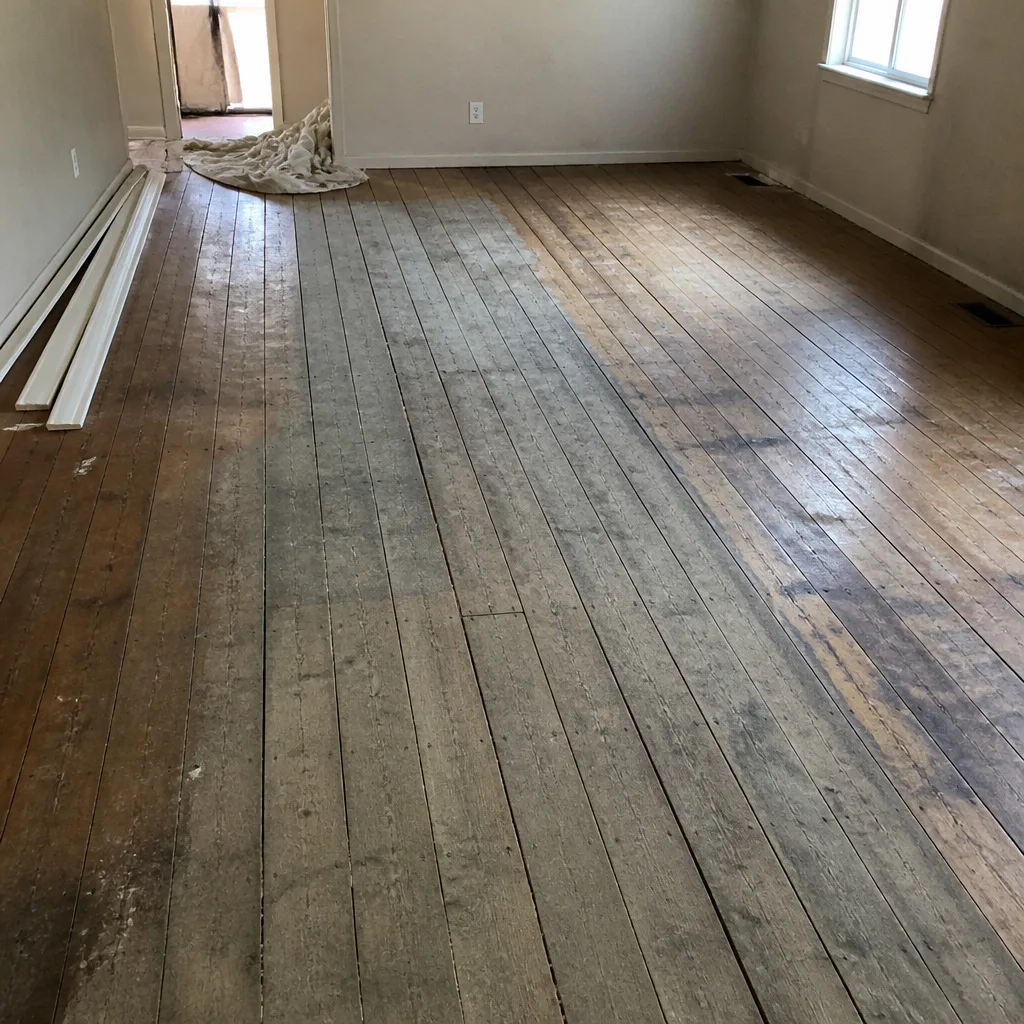 Before
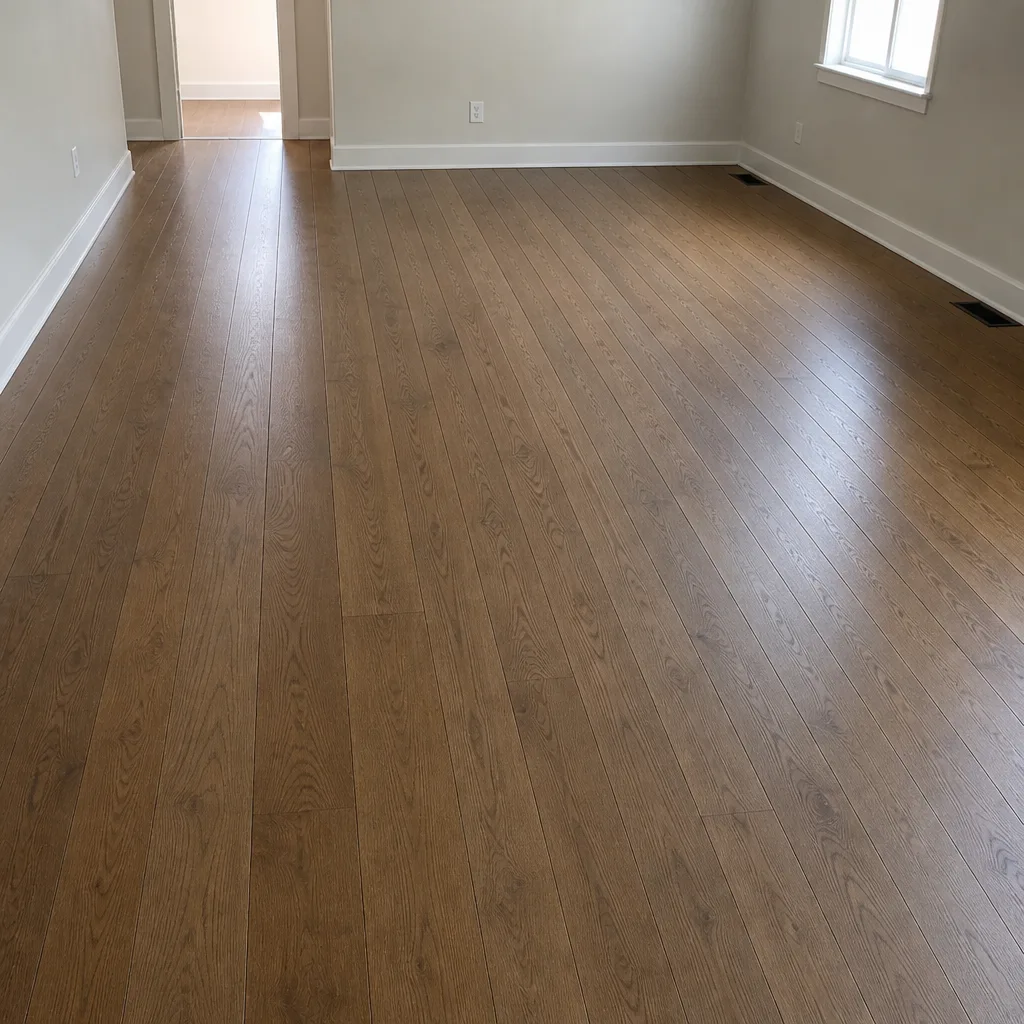 After
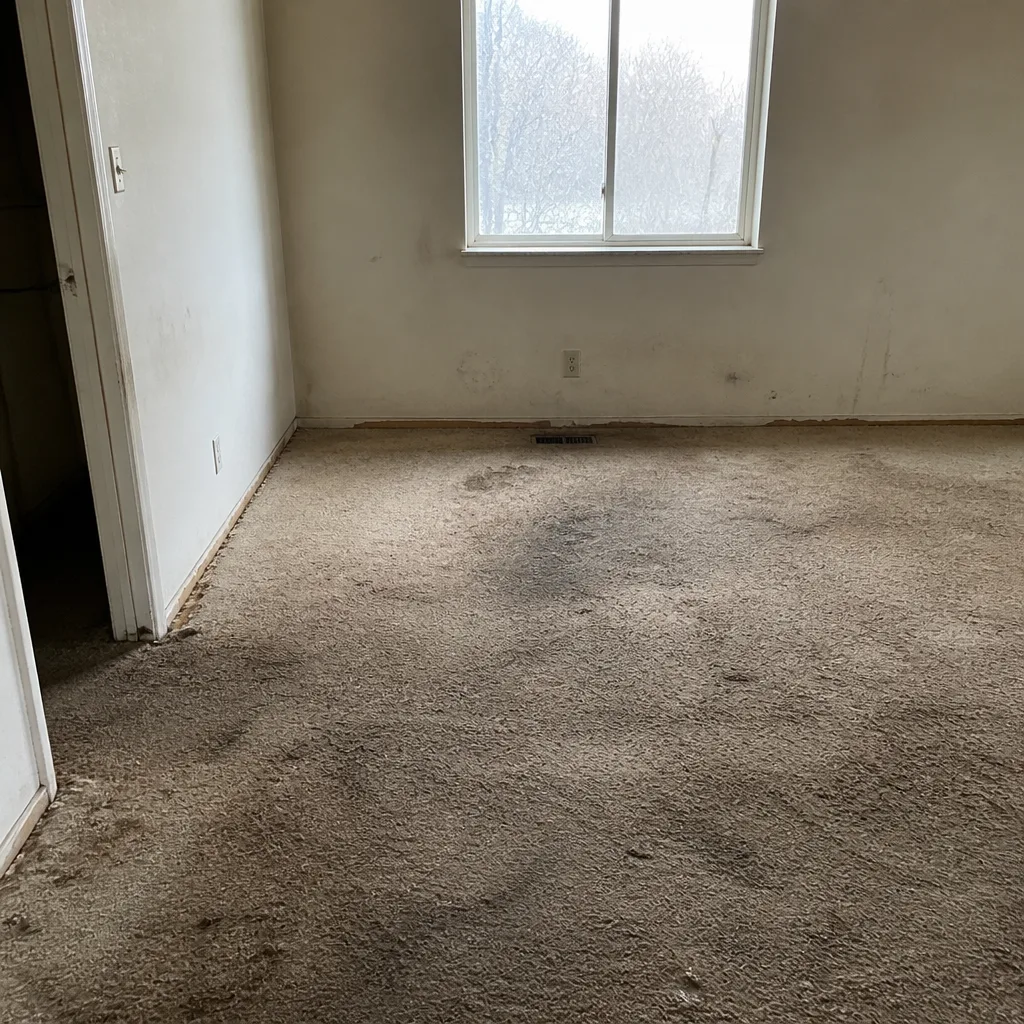 Before
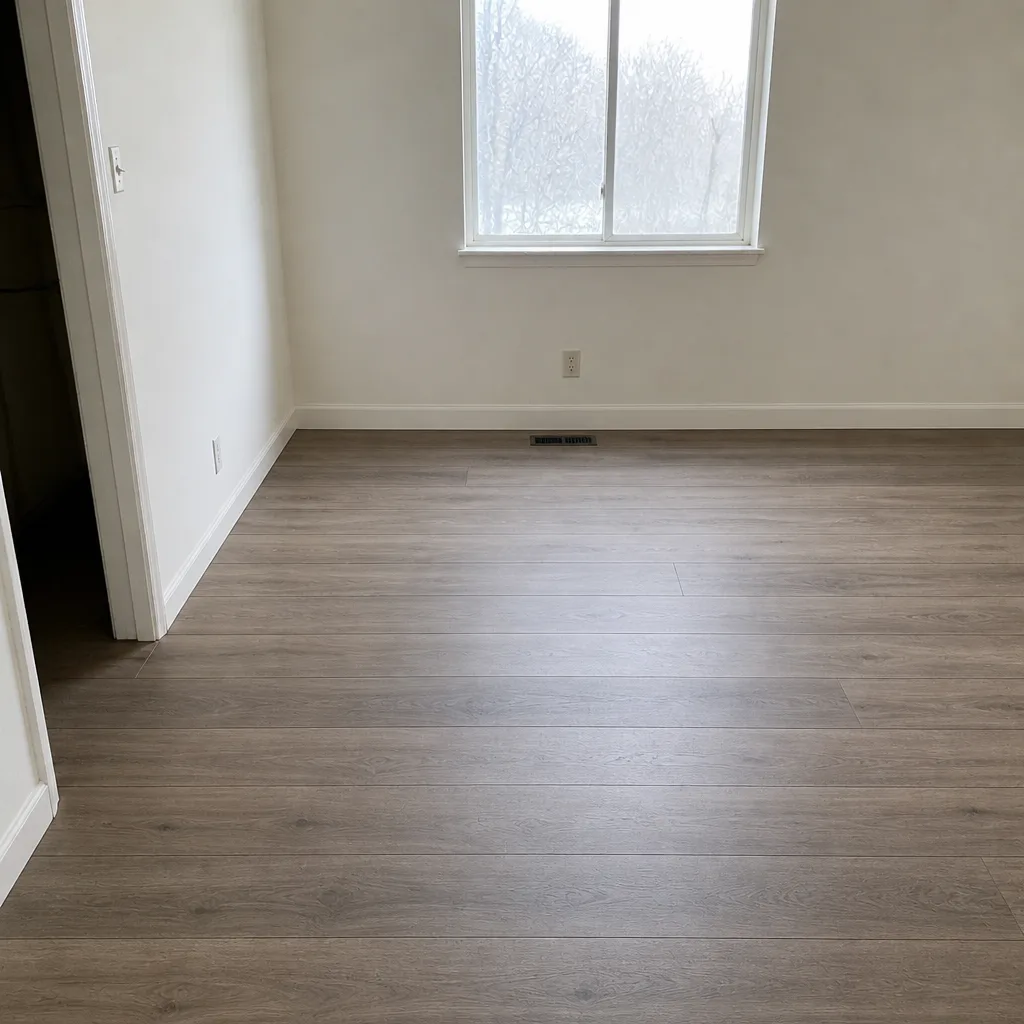 After
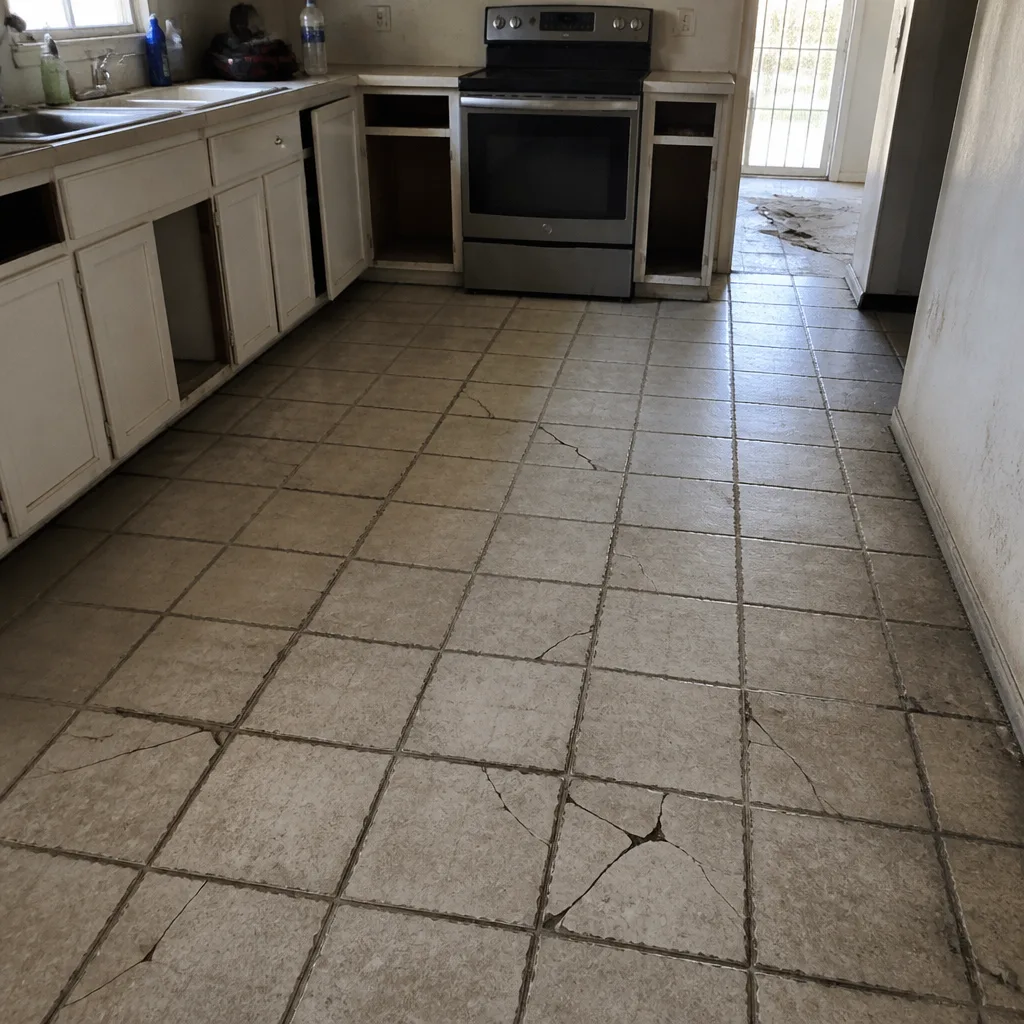 Before
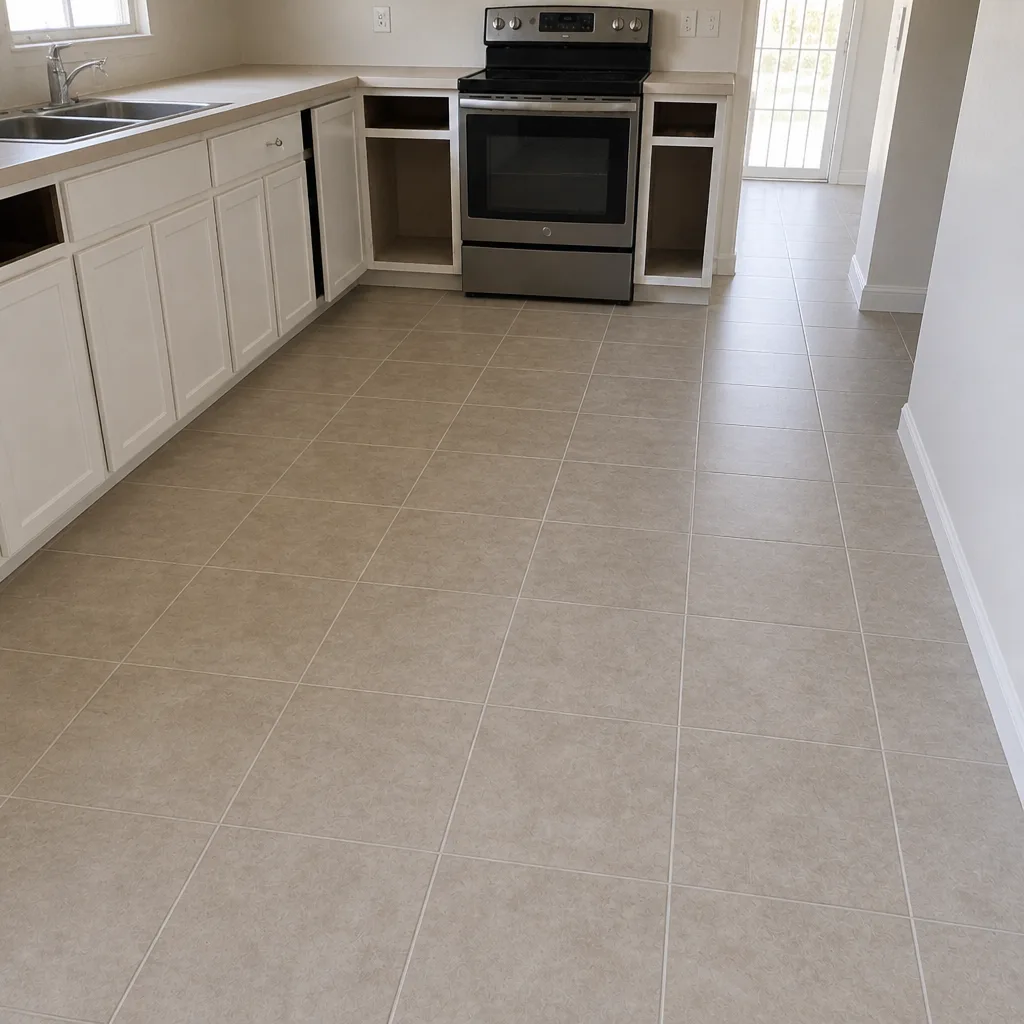 After
When to Call a Professional
Some questions you can answer on your own. Others you can’t, and the ones you can’t are the ones that cost money when they’re skipped. Call a professional when the subfloor condition is uncertain, when a hardwood floor’s refinishability hasn’t been confirmed, when tile layout includes pattern work that needs precise cuts, or when a change order process hasn’t been spelled out before you sign. Those are the points where an experienced flooring specialist adds real value to the job, not just the labor. Flooring Whitney offers free estimates in Whitney. Call (833) 734-5603 to schedule yours. We answer 24/7, with fast dispatch from 7am to 7pm, Sunday through Friday.
Frequently Asked Questions
Ask who assesses and pays for subfloor repair, what exact brand and product line you’re getting, what the labor warranty covers and what voids it, how change orders are priced and approved, and who actually performs the installation. Get all five answered in writing. These are the questions that catch the issues that turn into surprise invoices later. Call (833) 734-5603 to schedule your free estimate in Whitney and get them answered in person.
Our estimates are free. We take measurements at an in-home visit, build a written quote from what’s actually in your rooms, and the written estimate sets the final price. There’s no charge for the estimate itself. Call (833) 734-5603 to schedule yours.
Yes. A floor that looks fine from above can have subfloor conditions that show up after installation. Ask who assesses the subfloor, when, and whether that assessment is documented in the estimate. Tile installations are especially sensitive to subfloor movement, so the question matters more there. Get it answered before signing, then call us at (833) 734-5603 for a free estimate.
The product warranty covers the material and is issued by the manufacturer. The labor warranty covers the installation and is issued by the contractor. They’re separate, they’re voided by different things, and both should be in writing. Ask for both before signing, and ask what voids each one. We name the labor warranty terms on every written estimate, and you can call (833) 734-5603 for a free estimate that spells them out.
It depends on the thickness of the wood and its condition. Not every floor can take a refinish, and the only way to know is an in-person check at the estimate visit. Refinishing extends the life of a floor without a full replacement cost, but a contractor who promises it without looking hasn’t checked. We refinish hardwood across Whitney, and the free estimate confirms whether your floor qualifies. Call (833) 734-5603.
Ask whether the crew is employed or subcontracted, who supervises, and how experienced they are with the specific material. It matters because carpet, tile, and hardwood refinishing each require different skills. A specialist works on floors every day; a generalist squeezes in a floor install between other trades. Our technicians have up to 14 years of experience across all three services. Call (833) 734-5603 for a free estimate in Whitney.
For more on the specific services we handle, take a look at our tile flooring installation page or browse what’s available across Whitney.
The Bottom Line
The questions you ask before you sign determine the floor you live on for the next decade. Define who handles the subfloor, pin down the exact product line and warranty, confirm what the labor warranty covers and voids, get the change order process in writing, and know who’s actually doing the install. Those five items eliminate most of the risk in a flooring contract, and they’re the ones most homeowners skip. At Flooring Whitney, we build the answers into the written estimate so there’s nothing to interpret on install day. If you’re comparing contractors, compare scope line by line, not bottom number to bottom number.
Ready to compare a written quote against what you’ve been offered? Flooring Whitney offers free estimates, and the written price sets the final cost. Call (833) 734-5603. We answer 24/7. Fast dispatch from 7am to 7pm, Sunday through Friday. We’re closed Saturdays.
Written by the team at Flooring Whitney.