
Last updated November 17, 2026
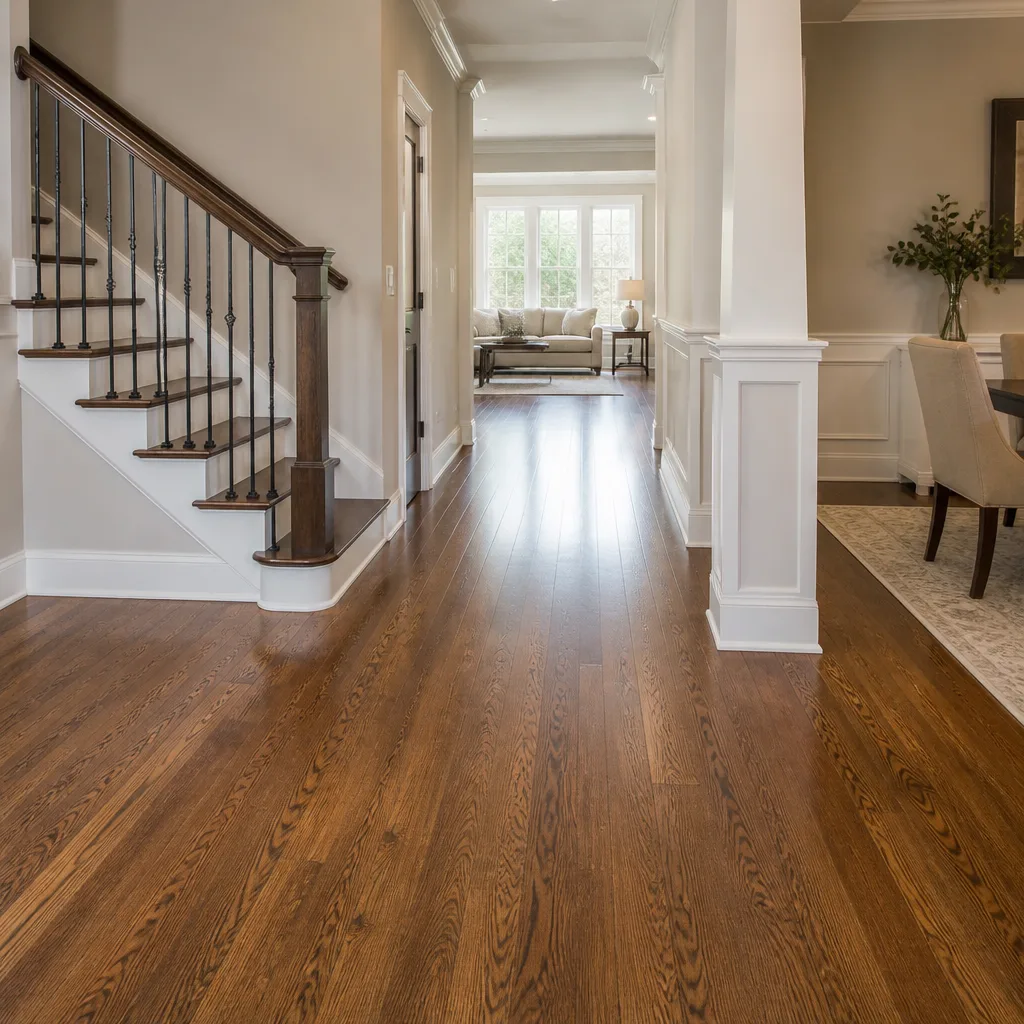 Hardwood
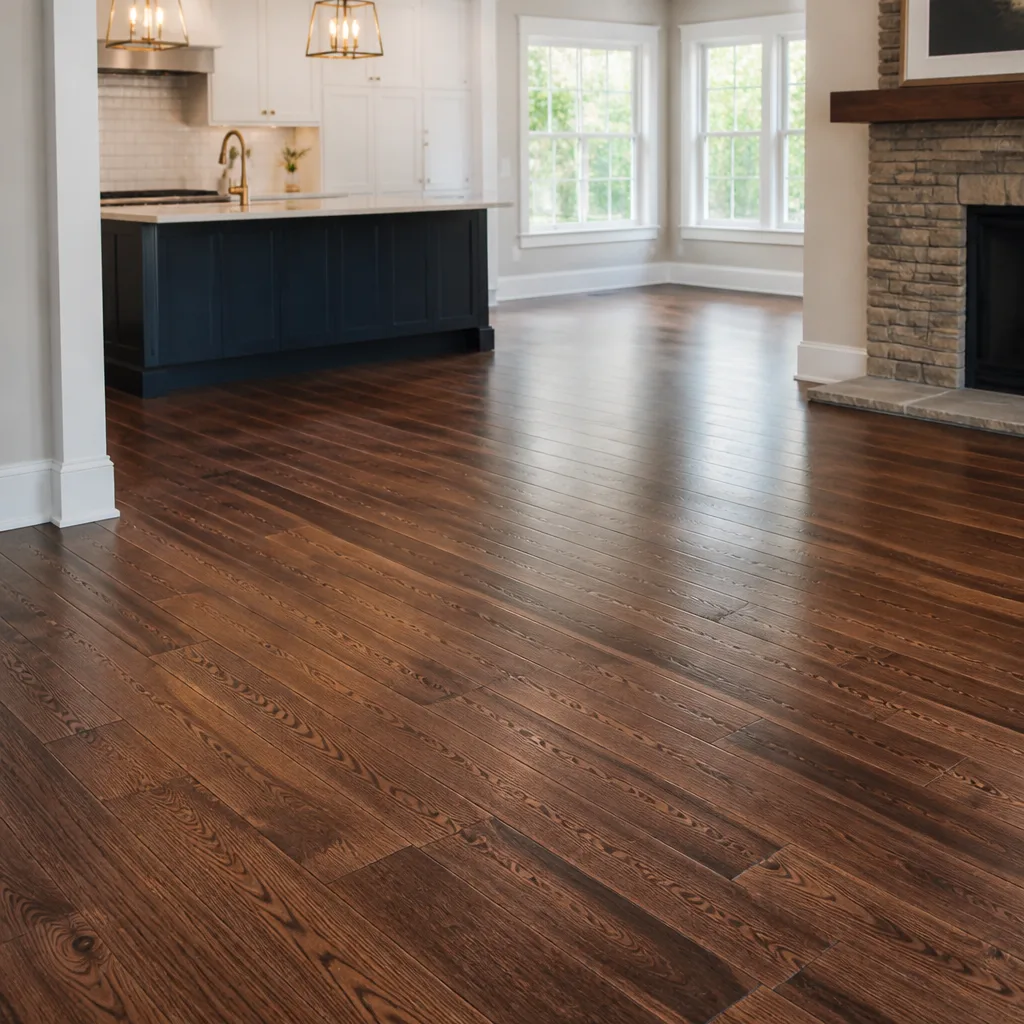 Engineered hardwood
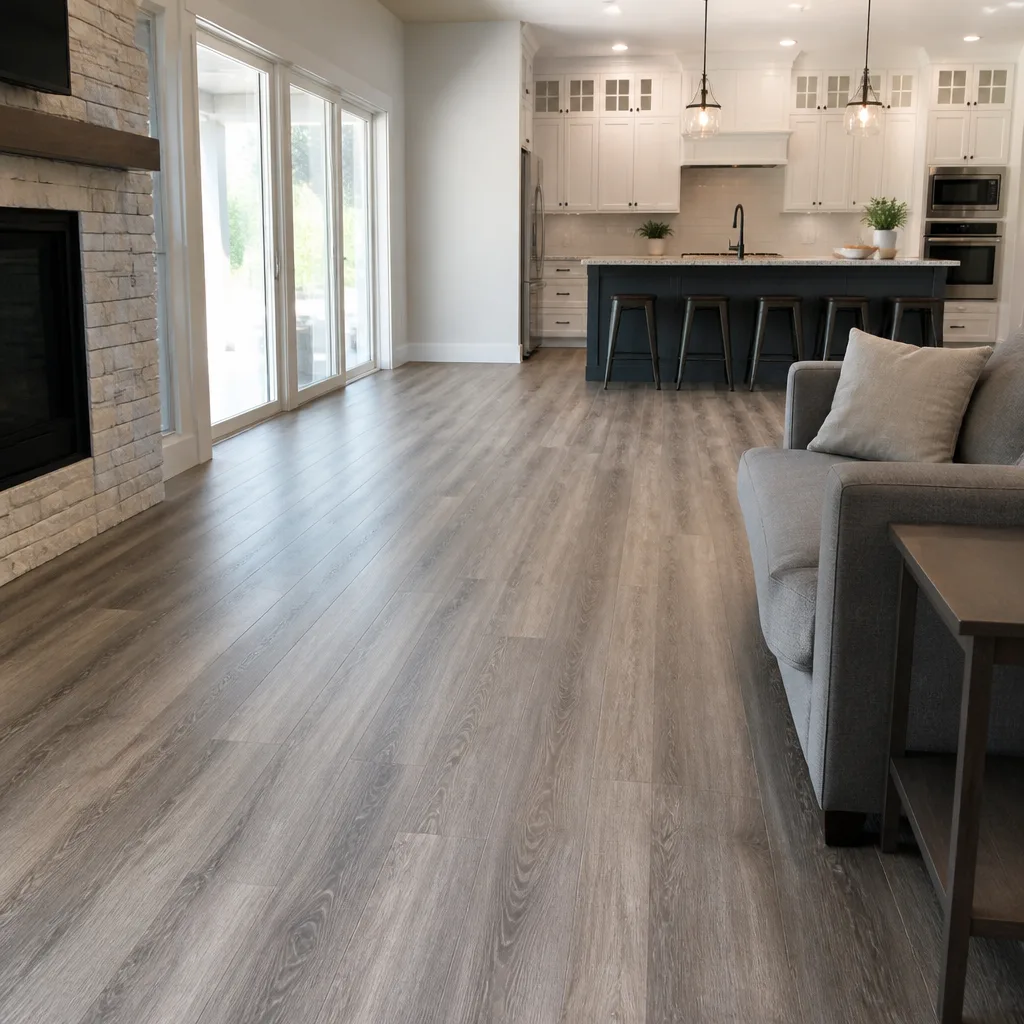 Luxury vinyl plank
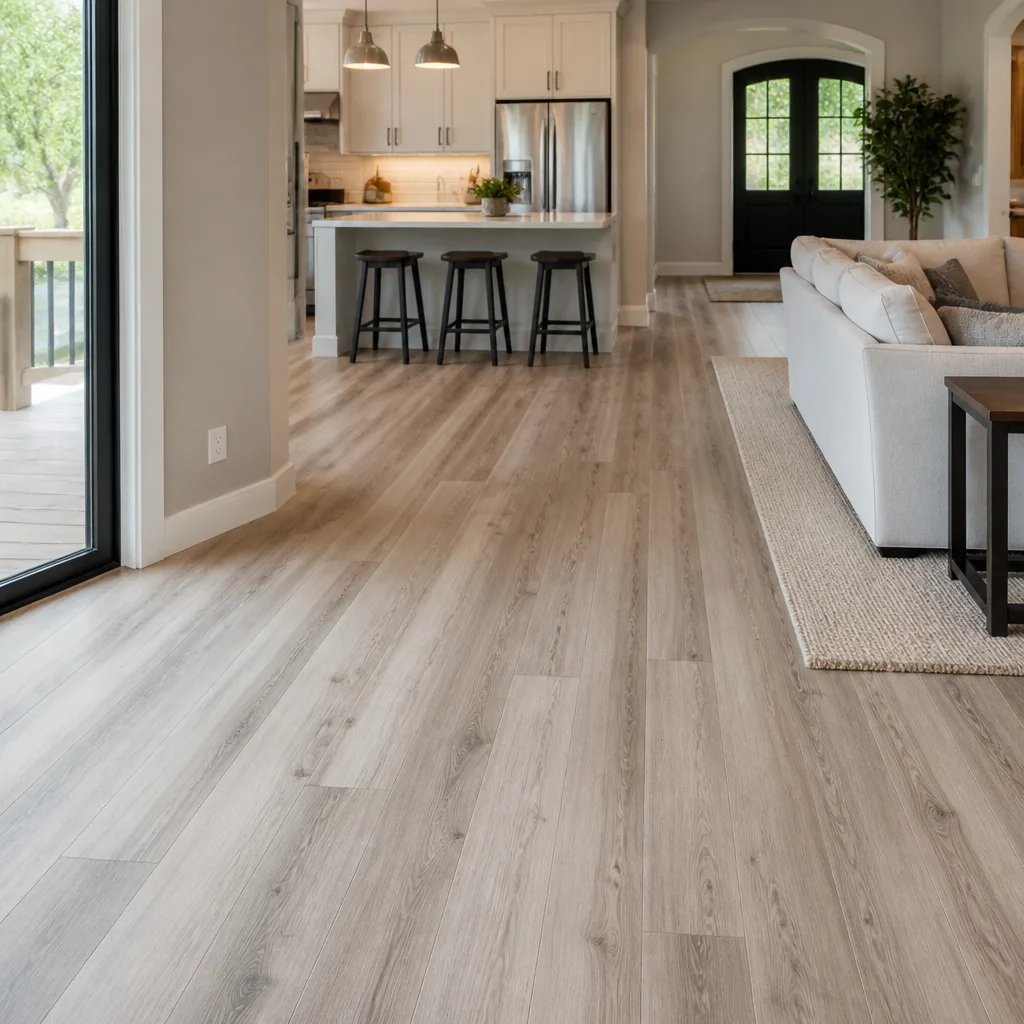 Laminate
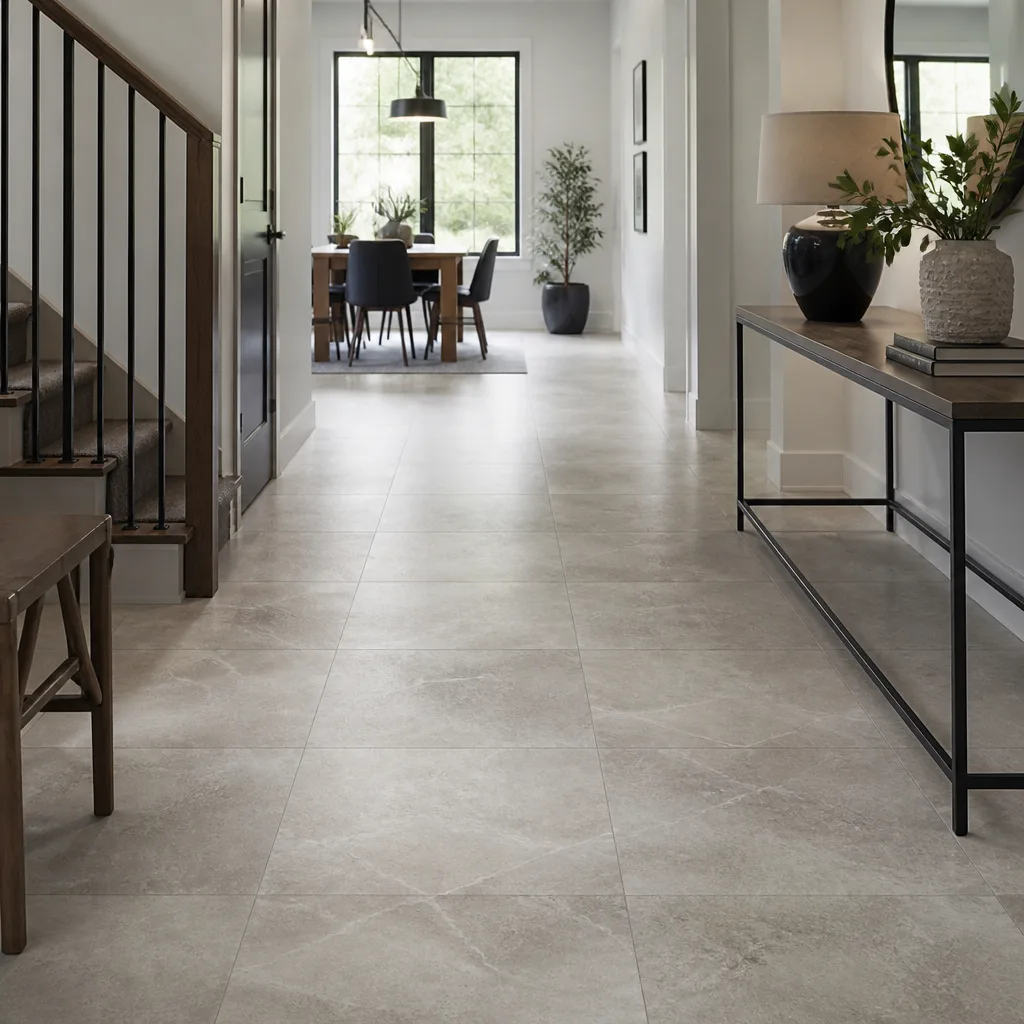 Porcelain tile
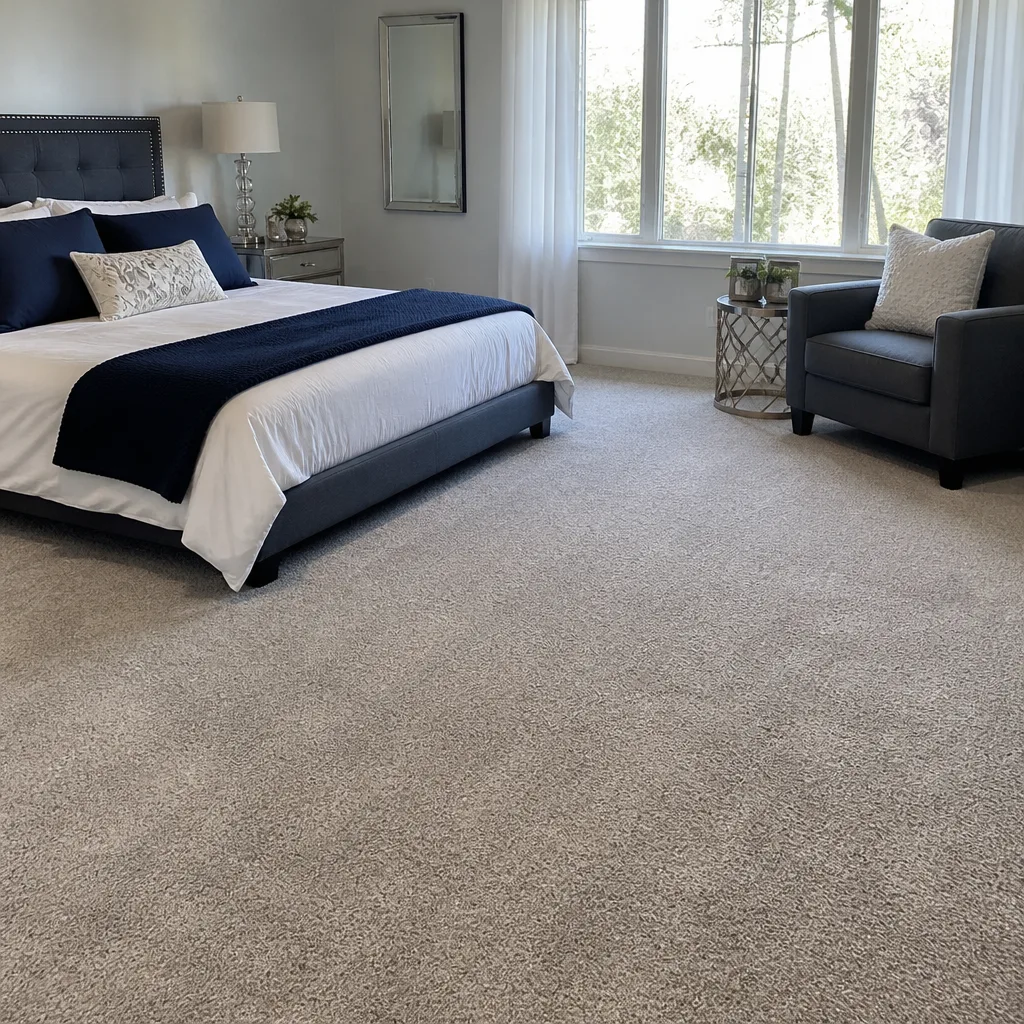 Carpet
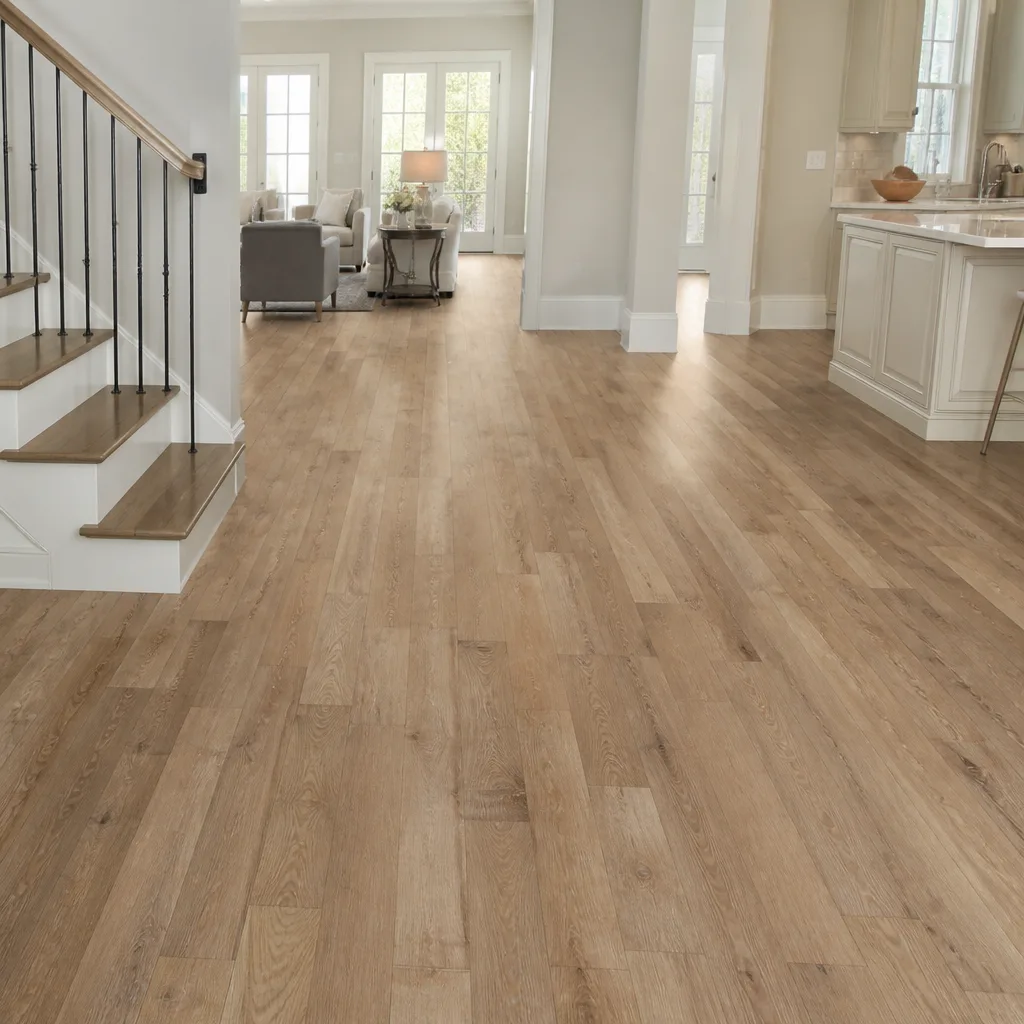 Shaw
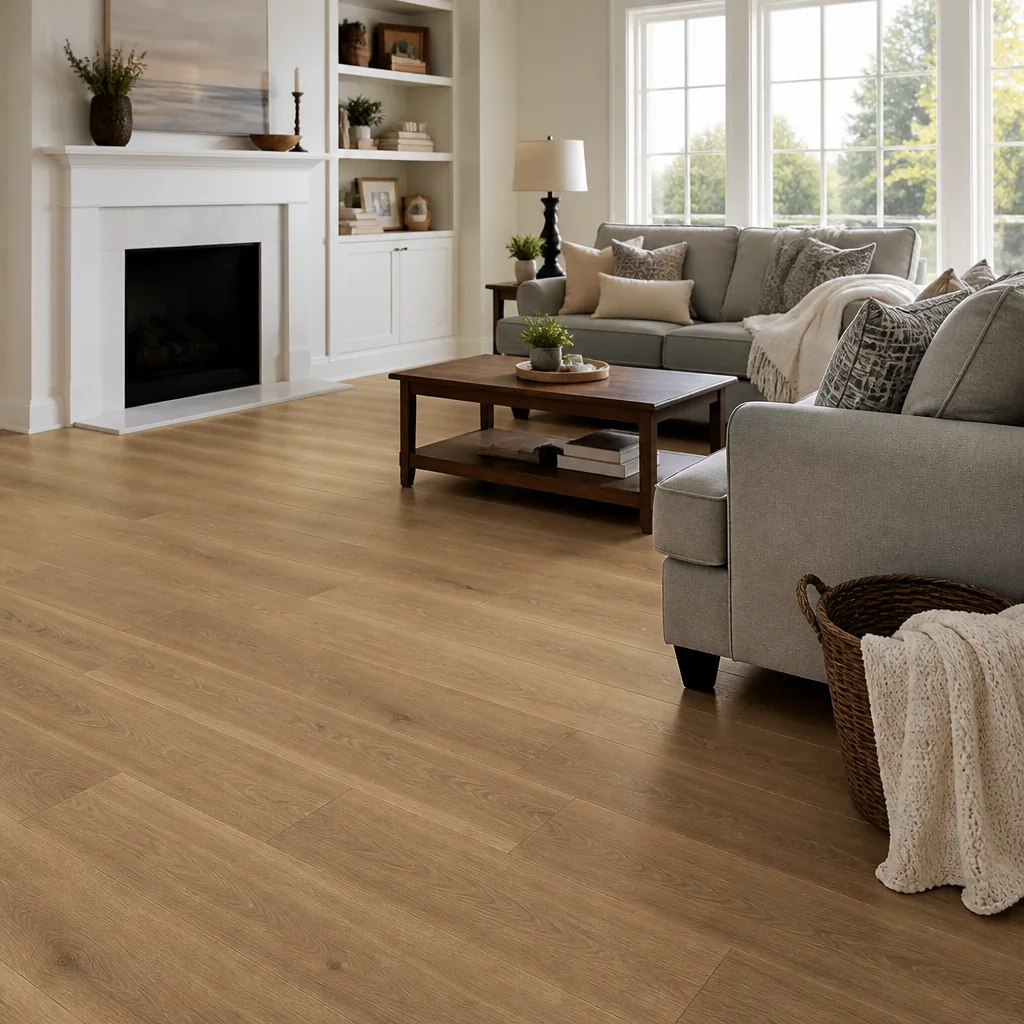 Mohawk
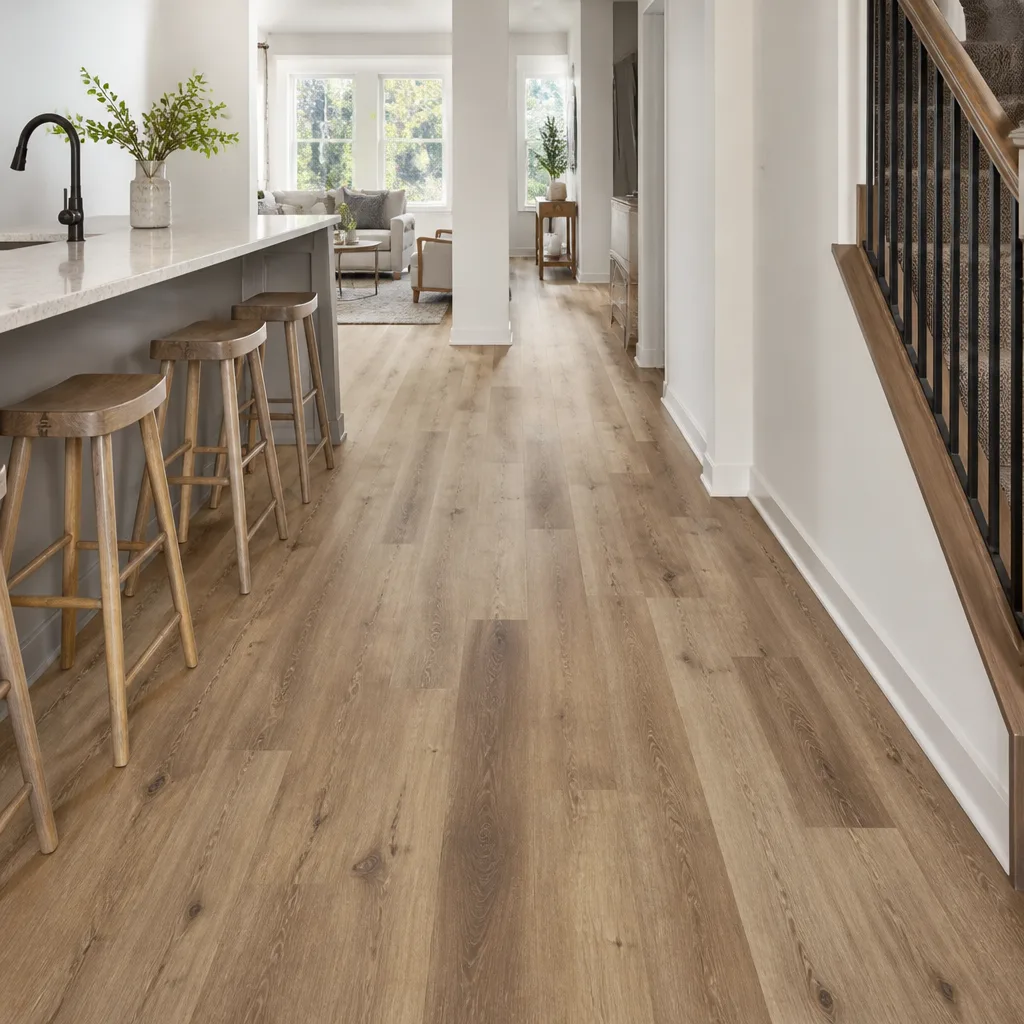 COREtec
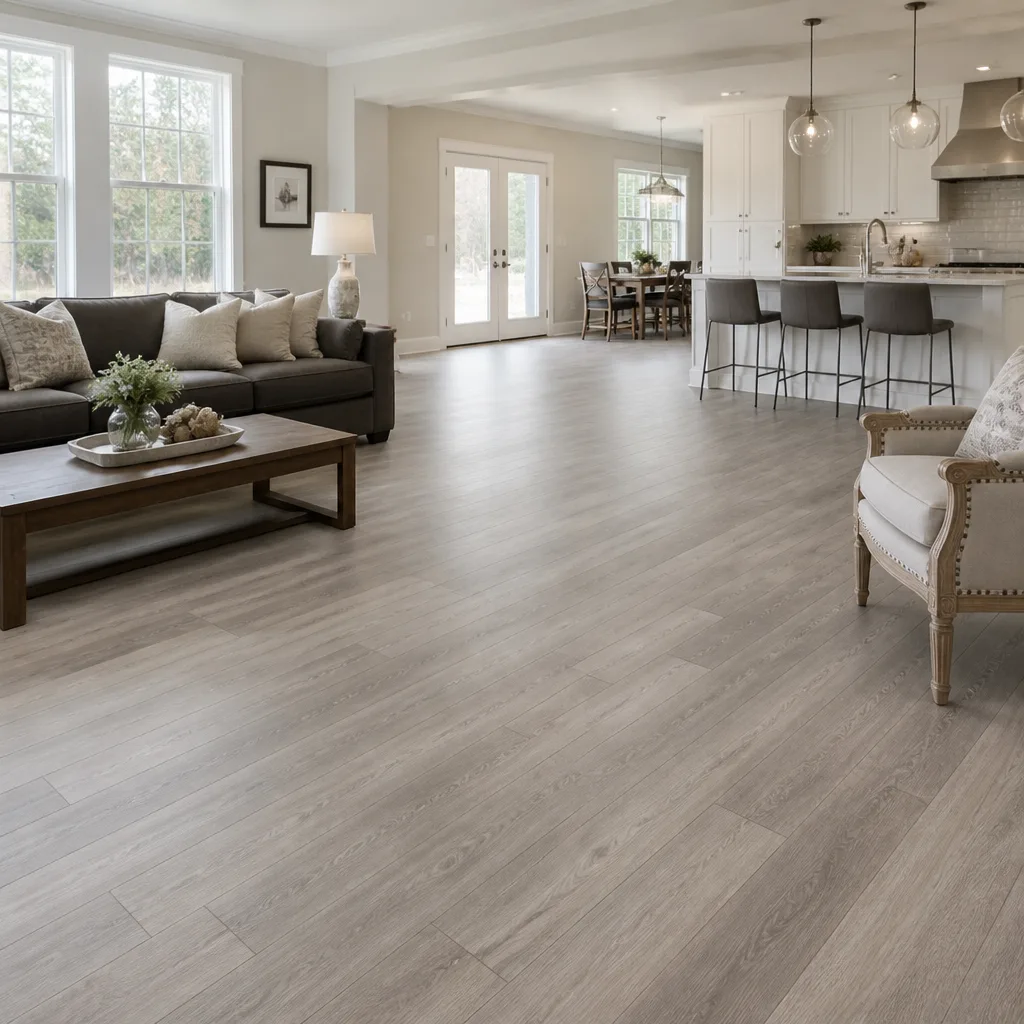 Pergo
Free in-home measure and written estimate: Shaw, Mohawk, COREtec and Pergo lines compared on your own rooms, with carpet, tile, vinyl plank, laminate and hardwood laid out side by side
Get your free estimateThe Complete Guide to Flooring in Whitney
Nevada’s high desert swings through a wide temperature range between seasons, and that thermal movement alone rules out several flooring options that look perfect on paper. Homes in Whitney sit on slab-on-grade foundations, sit in low humidity, and take in a lot of fine desert dust through the course of a year. A floor that performs beautifully in a humid, pier-and-beam house in another state can cup, gap or telegraph every imperfect spot in the slab here. We wrote this guide to map each major flooring type to the variables Whitney homeowners actually live with, not the theoretical ones a national buying guide lists. You’ll learn how climate and foundation shape your choices, how to match floors to each room, and where the common mistakes happen.
Quick Answer
The best flooring for a Whitney home depends on three things: the room, the foundation under it, and how much moisture the space sees. Carpet suits bedrooms and living areas in this dry climate, tile handles kitchens, baths and entryways without flinching at temperature swings or tracked-in dust, and hardwood performs well when indoor humidity is kept steady. Luxury vinyl from brands like COREtec and Karndean gives you water resistance and design flexibility in rooms where solid wood isn’t practical. The written estimate, set after an in-home measure, is what fixes your final price.
Styles & brands we work with
- Hardwood
- Engineered hardwood
- Luxury vinyl plank
- Laminate
- Porcelain tile
- Carpet
- Shaw
- Mohawk
- COREtec
- Pergo
Table of Contents
- How Whitney’s Climate Affects Every Floor You Choose
- Slab-On-Grade Foundations and What They Restrict
- A Category-by-Category Look at Whitney Flooring Options
- A Room-by-Room Decision Map for Whitney Homes
- Refinish Before You Replace: The Hardwood Question
- What Showrooms Stock vs. What Performs Here
- How a Flooring Project Actually Runs
- What Flooring Costs in Whitney
How Whitney’s Climate Affects Every Floor You Choose
Nevada’s high desert swings through wide temperature differences between seasons, and Whitney homes feel every degree of it. That expansion and contraction is the single biggest reason generic national advice fails here. Materials that move with humidity and temperature need room to do it. Materials that don’t move are the ones you can install tight.
Here’s how the major categories respond:
- Solid hardwood expands and contracts with seasonal swings. In Whitney’s low indoor humidity, wood can shrink slightly in the dry months and swell in the wetter ones. It performs best when the home’s indoor humidity is kept reasonably steady year-round, which many Whitney homeowners manage with a whole-house humidifier or careful seasonal adjustments.
- Laminate moves in a similar way and needs expansion gaps at walls. In a dry climate, laminate can develop visible gaps at seams if the indoor environment swings hard. It’s a good value in the right room, but it isn’t the “set and forget” floor some buyers expect.
- Luxury vinyl plank from COREtec and Karndean handles temperature swings with far less drama than wood. It’s water-resistant, which matters in kitchens, laundry rooms and baths, and it doesn’t need the same humidity management that solid wood does. Standing water and moisture from below still have to be dealt with; water-resistant is not the same as waterproof.
- Tile barely notices climate swings at all, which is why it’s the natural floor for entryways, kitchens and bathrooms in Whitney. The tile itself won’t move, but the substrate under it has to be right or you’ll hear hollow spots eventually.
- Carpet is forgiving of temperature and humidity, and in a dry climate it holds up well in bedrooms and living spaces where you want warmth underfoot and some sound absorption.
The takeaway is simple: Whitney’s climate doesn’t eliminate any category, but it does change which ones make sense in which rooms. A floor that gets installed with the right expansion allowance and the right indoor humidity plan will outlast one installed perfectly in a different climate and moved here.
Slab-On-Grade Foundations and What They Restrict
Most Whitney homes sit on slab-on-grade foundations, and that changes how a floor can be installed. A slab is a hard, flat surface with no crawl space underneath, no joists to nail into, and no void for moisture to escape. Every flooring method has to answer to the slab.
Here’s what that means in practice:
- Nail-down hardwood is off the table over a slab. Solid wood that needs to be nailed to a wood subfloor can’t be installed directly over concrete. The options are engineered wood floated or glued, or an entirely different category like luxury vinyl or tile.
- Moisture from the slab has to be measured, not assumed. Concrete wicks moisture from the ground below, and even in a dry climate a slab can pass enough vapor into a floor to cause problems. What that reading needs to be depends on the product; the product instructions and the written estimate set the number. We won’t quote a floor until we’ve checked.
- Slab flatness sets the prep cost. Tile and floating floors both want a flat surface. The tolerance depends on the product, and how out-of-flat your slab is depends on the home. Prep work is where a lot of “cheap” quotes quietly fall apart.
- Glue-down methods need the right adhesive for the product and the slab. That’s not a place to improvise. The adhesive has to match the floor, and the floor has to match the slab conditions.
- Floating floors need an underlayment rated for the application. A moisture barrier under a floating luxury vinyl plank or laminate floor is often the difference between a floor that lasts and one that fails at the seams.
None of this is intimidating once you know it. It’s just that a generic “just lay it down” approach ignores all of it. In Whitney, slab conditions are the conversation we have with every homeowner before a single plank gets ordered. If you’re weighing materials, our Flooring Whitney page lays out the categories we work with. Getting a professional read on your specific slab is the step that tells you which options are actually open.
A Category-by-Category Look at Whitney Flooring Options
Here’s how the five main flooring categories fit a Whitney home, based on what we see come through estimates across the valley.
Carpet
Carpet is the warmest, quietest floor in the house and it handles the dry climate well. It’s the natural fit for bedrooms and family rooms, and it hides minor slab imperfections that would show under a hard surface. Shaw and Mohawk both make carpet lines that work across a wide range of budgets. The right carpet is less about a sales pitch and more about traffic level, room type and how the space gets used. Our carpet installation service walks through the options with you at the estimate.
Tile
Tile is the least fussy floor in Whitney’s climate. It doesn’t care about humidity, it doesn’t care about temperature swings, and in entryways where desert dust and grit come in, it’s easy to clean. Daltile covers a span from simple, straightforward porcelain to design-forward looks. The tile itself is the easy part; the substrate and the layout are where a tile job lives or dies. That’s why we spend the time on the estimate visit checking the slab and talking through grout and layout choices up front with every homeowner planning tile flooring installation.
Hardwood
Hardwood is the premium floor that a lot of Whitney homeowners want in living and dining areas. Whether a floor can be installed depends on the slab, and our hardwood work centers on refinishing what’s already there rather than installing from scratch. If you already have hardwood and it looks tired, refinishing is often the answer before replacement. LifeProof, Mannington and Armstrong all make lines worth considering where engineered or floating options fit.
Luxury Vinyl Plank (LVP)
LVP has become the workhorse floor for Whitney homes because it handles the climate and holds up in rooms where other categories get pushed hard. COREtec and Karndean are the two brands we point homeowners to most often: COREtec for water-resistant performance in kitchens and laundry rooms, Karndean for design-forward spaces where the visual matters as much as the durability. It’s a water-resistant floor, not a waterproof one, so standing water and moisture from below still need to be handled.
Laminate
Laminate is a solid middle ground between carpet and hardwood on price and appearance, and Pergo is one of the brands that has kept the category credible. It handles traffic and looks good in living areas, but it needs proper expansion gaps and it doesn’t like prolonged moisture at all. In Whitney’s dry climate, that’s usually manageable, as long as the installer allows for seasonal movement.
A Room-by-Room Decision Map for Whitney Homes
Whitney’s housing stock leans toward open-plan living with hard surface in the traffic lanes and carpet in the bedrooms. That layout creates specific flooring questions for each room. Here’s how we’d think through each one.
- Entryway and halls: tile or LVP. These are the spots that take in desert grit on every walk-through. Tile from Daltile handles it without complaint; a water-resistant LVP from COREtec is easier on the feet if you want warmth.
- Kitchen: tile or luxury vinyl plank. Tile wins on temperature swings and cleanup; LVP wins on comfort and design flexibility. Avoid laminate over any spot that sees spills regularly.
- Living and family rooms: carpet or hardwood. If the room has existing hardwood, refinishing can restore it beautifully. If it doesn’t, carpet from Shaw or Mohawk gives you warmth, sound absorption and longevity, and it handles the dry climate well.
- Bedrooms: carpet, virtually always. It’s the quietest and warmest option underfoot, and it hides slab imperfections under the bed where it matters.
- Bathrooms and laundry: tile, without question. This is the one room where water is guaranteed to be present, and tile handles it better than anything else.
- Hallways that connect everything: LVP. It’s the transition floor. It looks at home next to both carpet and tile, and it takes traffic well in a Whitney house where the hallway connects all four above.
The point of the map is that Whitney’s typical home layout doesn’t have one right floor. It has a right floor per room. When you’re weighing those choices together, our Whitney page gives the local context and our service pages give the category detail.
Refinish Before You Replace: The Hardwood Question
If you already have hardwood in a Whitney home and it looks worn, the first question to ask is whether it can be refinished rather than replaced. Refinishing is often the smarter move financially and the smarter move aesthetically.
Here’s how refinishing works and what decides whether a floor qualifies:
- Wood thickness is the gatekeeper. Refinishing removes a thin layer of wood from the surface. How much can be removed depends on how thick the wear layer of the boards is and how many times they’ve been refinished before. Not every floor can be refinished, and not every floor can be sanded down again if it’s already been taken thin.
- Condition matters, not just thickness. Cupping, gaps, deep scratches and stains can all be addressed, sometimes, but the estimate visit is where we check what’s actually possible on your specific floor.
- Stain match depends on the wood. We can’t promise a specific stain will match a sample or a photo. The wood species, its age and its current finish all influence the result. We check the wood at the estimate visit and set expectations honestly.
- Refinishing restores rather than replaces. That means you keep the floor that’s already in the house, which for a lot of Whitney homeowners is worth considering before the “just install new” default.
- The schedule is booked, not rushed. Refinishing is not a one-day drop-in job. The estimate visit and the written price set the timeline.
Refinishing is what separates a flooring specialist from a pure-installation shop. Most shops that only install new floors would rather sell you a replacement. If you’ve got hardwood in your Whitney home, ask us “can this be refinished?” before you assume the answer is no.
What Showrooms Stock vs. What Performs Here
Big-box stores stock what sells nationally. That’s not the same as what performs in Whitney, and the difference is worth understanding before you walk in.
A few things we’ve learned from working across the valley:
- Laminate and solid hardwood can be oversold in a dry climate. Both are fine products, but their fit depends on the indoor humidity plan. A generic recommendation from someone selling in a nationwide store won’t always account for Nevada’s seasonal swings.
- Tile needs a substrate conversation, not just a color selection. A showroom that doesn’t check your slab before quoting you tile is skipping the step that decides whether the job holds.
- LVP is often undersold. In Whitney, well-chosen water-resistant LVP from brands like COREtec and Karndean handles the climate and traffic as well as anything else in the category, and it’s a better fit for kitchen and laundry than a lot of homeowners realize going in.
- Dust infiltration isn’t in the standard sales pitch. Whitney’s desert dust comes in on every footstep, and floors that clean easily matter here more than they’d matter in a wetter climate.
- Slab flatness is everywhere. It doesn’t matter which brand you pick if the slab underneath is out of tolerance for that product. The estimate visit is where this gets caught.
The reason we carry flooring options across nine brands is that fit comes first. You shouldn’t have to force your home into whatever a store happens to stock. Shaw, Mohawk, COREtec, Pergo, LifeProof, Mannington, Armstrong, Daltile and Karndean cover the categories that matter here, at multiple price points, so we can steer you toward the floor that performs in Whitney rather than the one that happens to be on the floor of the big box.
How a Flooring Project Actually Runs
A flooring project in Whitney runs in a predictable sequence. Knowing it up front removes the guesswork and lets you plan your week around it.
- Call and book the estimate. We start with a conversation about the room, the current floor and what you want from the new one. Call (833) 734-5603. We answer 24/7. Fast dispatch from 7am to 7pm, Sunday through Friday.
- In-home measure. We measure the room or rooms and check the slab. This is where flatness and moisture get looked at. If any prep is needed, it gets identified here.
- Written estimate. The written price is what fixes the final cost. It’s not a range, not a verbal promise, not a “starting at” number. It’s the number.
- Product selection. With the estimate in hand, you choose the product. We can walk you through the trade-offs by room, brand and budget.
- Booked install day. Once you’ve chosen, we book the install. The day is set at the estimate, not pulled from the air.
- Prep and installation. Slab prep, underlayment and the install itself all happen on the booked day, per the plan.
- Walkthrough. We walk through the finished floor with you so there are no surprises.
Where flooring projects go sideways in Whitney is almost always at steps two and three. Homeowners who skip the slab check and accept a verbal quote end up discovering the substrate problem after the floor is on top of it. The measure and the written estimate are the two steps that keep the project on the rails.
What Flooring Costs in Whitney
Flooring prices in Whitney vary most by material, by room size and by how much slab prep a job needs. The written estimate is what sets your final price, and it comes out of the in-home measure.
- Carpet: priced by the square foot, plus pad and labor. Bedroom-sized installs often land in a lower cost tier than living areas; brand and quality tier move the number.
- Tile: priced by the square foot, with substrate prep, grout and layout as separate line items. Bathrooms and entryways are usually smaller jobs; the prep can be the swing factor.
- Hardwood refinishing: priced by the square foot, with number of coats and any repair work as line items. Not every floor is refinishable, so the estimate visit is the deciding step.
- Luxury vinyl plank: priced by the square foot, with underlayment or moisture barrier as a line item when called for.
- Laminate: priced by the square foot, with underlayment and prep on top of the material cost.
The honest answer on cost is that any national dollar figure you see online is a starting point at best. In Whitney, the number that matters comes from a measure of your actual slab and your actual rooms, with a written estimate at the end. If you want to talk through the variables before you’re ready to book, our service pages at carpet installation and tile flooring installation cover what’s included. Call (833) 734-5603 for a free estimate and we’ll take it from there.
Common Mistakes to Avoid
- Choosing the floor before checking the slab. In Whitney, slab flatness and moisture decide which products will actually work before aesthetics get a vote. Picking a floor first and addressing the slab later is how budgets blow up.
- Assuming solid hardwood can be nailed down over the slab. Most Whitney homes sit on slab-on-grade. Nail-down solid wood is usually off the table. Engineered or floated products are the realistic conversation.
- Trusting the word “waterproof” on a plank. Water-resistant is not the same as waterproof. Standing water and moisture from below still have to be handled, and a plank that’s sold as waterproof still needs a moisture plan under it.
- Accepting a verbal quote or a “starting at” number. The written estimate is what sets the final price. A verbal range leaves too much of the cost unresolved when prep work shows up.
- Refinishing without checking the wood first. Not every hardwood floor in Whitney can be refinished. Wear layer thickness and prior refinishing history decide it. Getting the check done before committing saves the disappointment.
- Buying the brand that’s on sale rather than the brand that fits the room. Brands stock different lines for different applications. A discount on a product that won’t handle the room isn’t a bargain.
- Booking the install before the estimate visit. The install day is set at the estimate. Booking before means the prep plan isn’t in place, and the project stalls on the install day.
See the difference
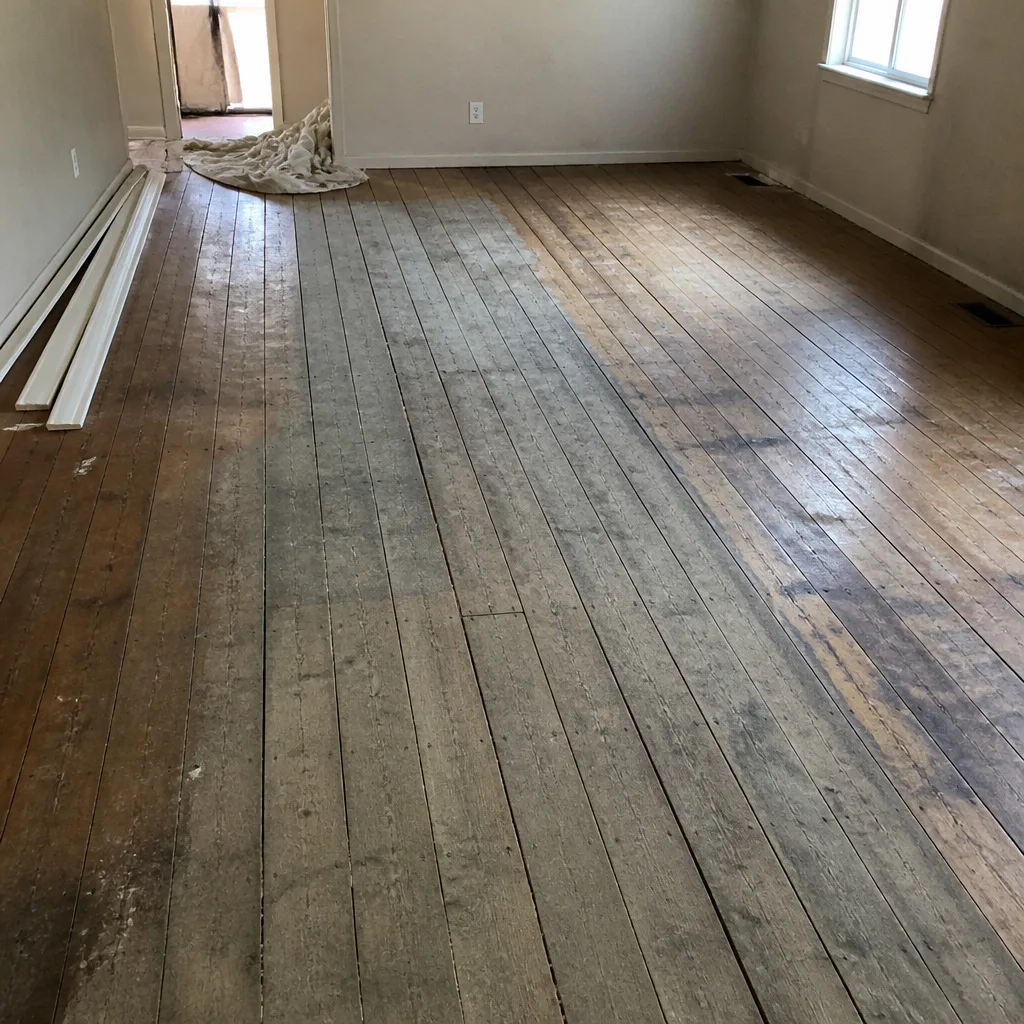 Before
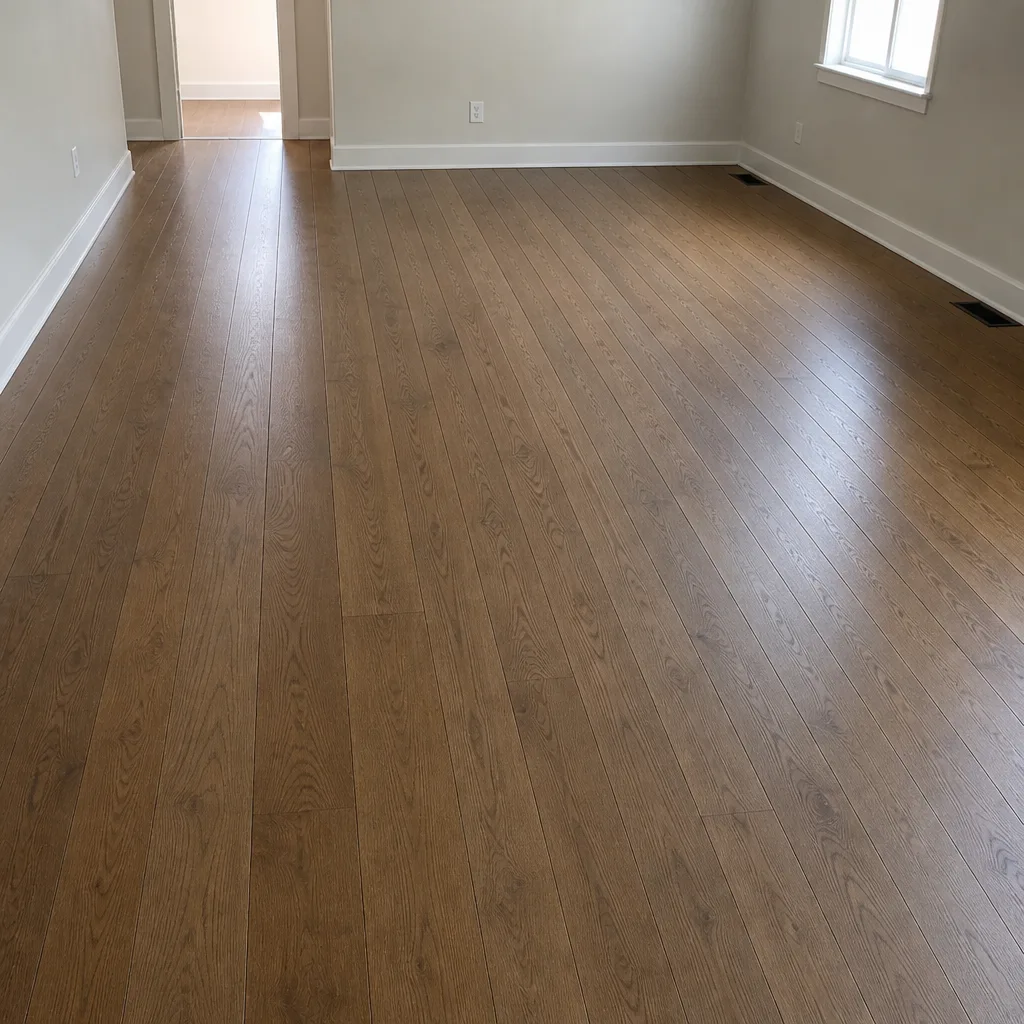 After
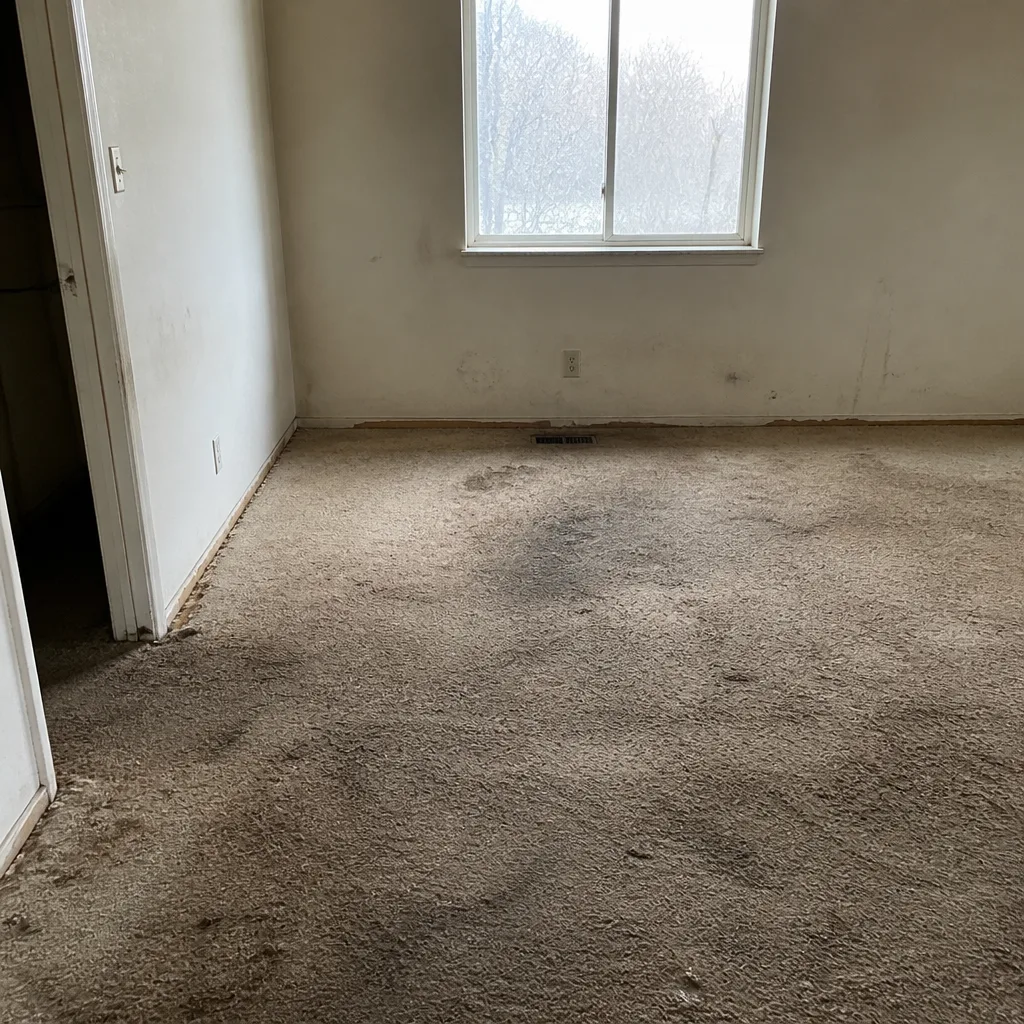 Before
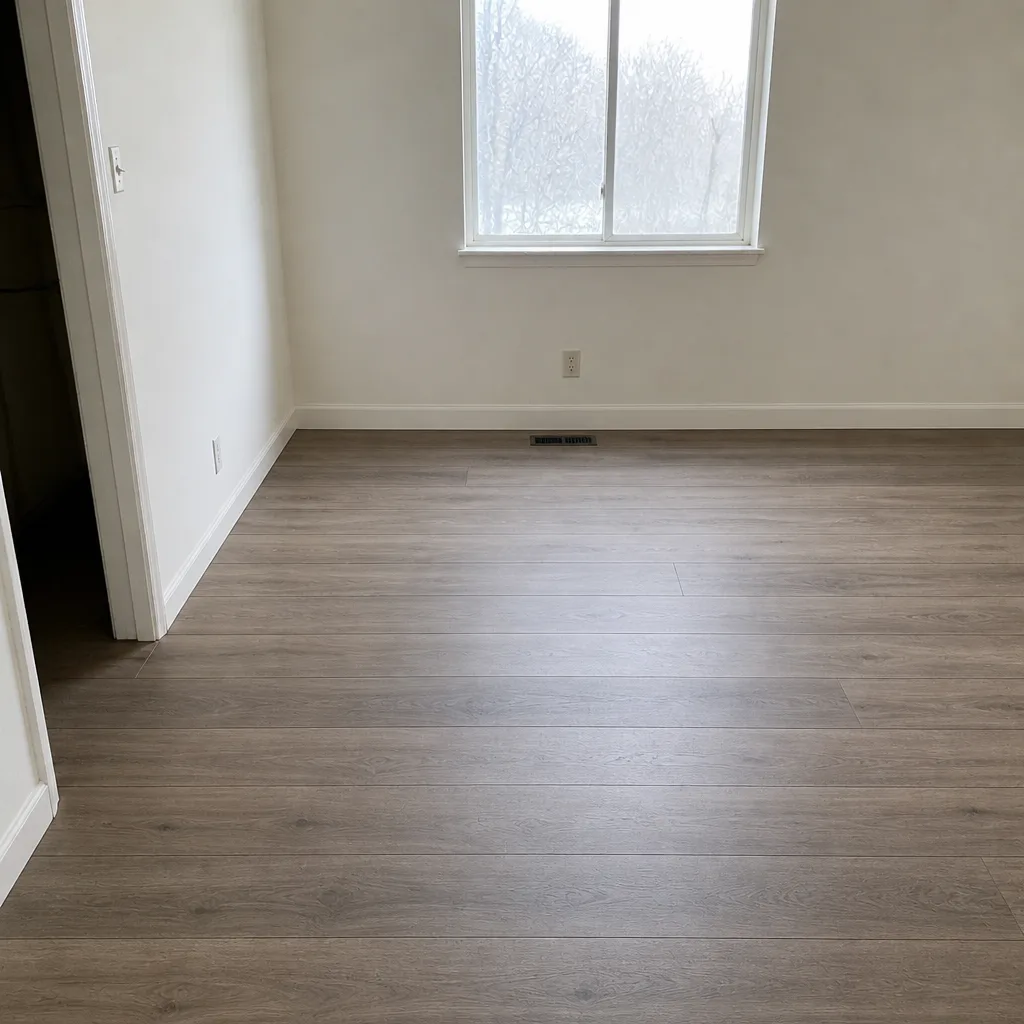 After
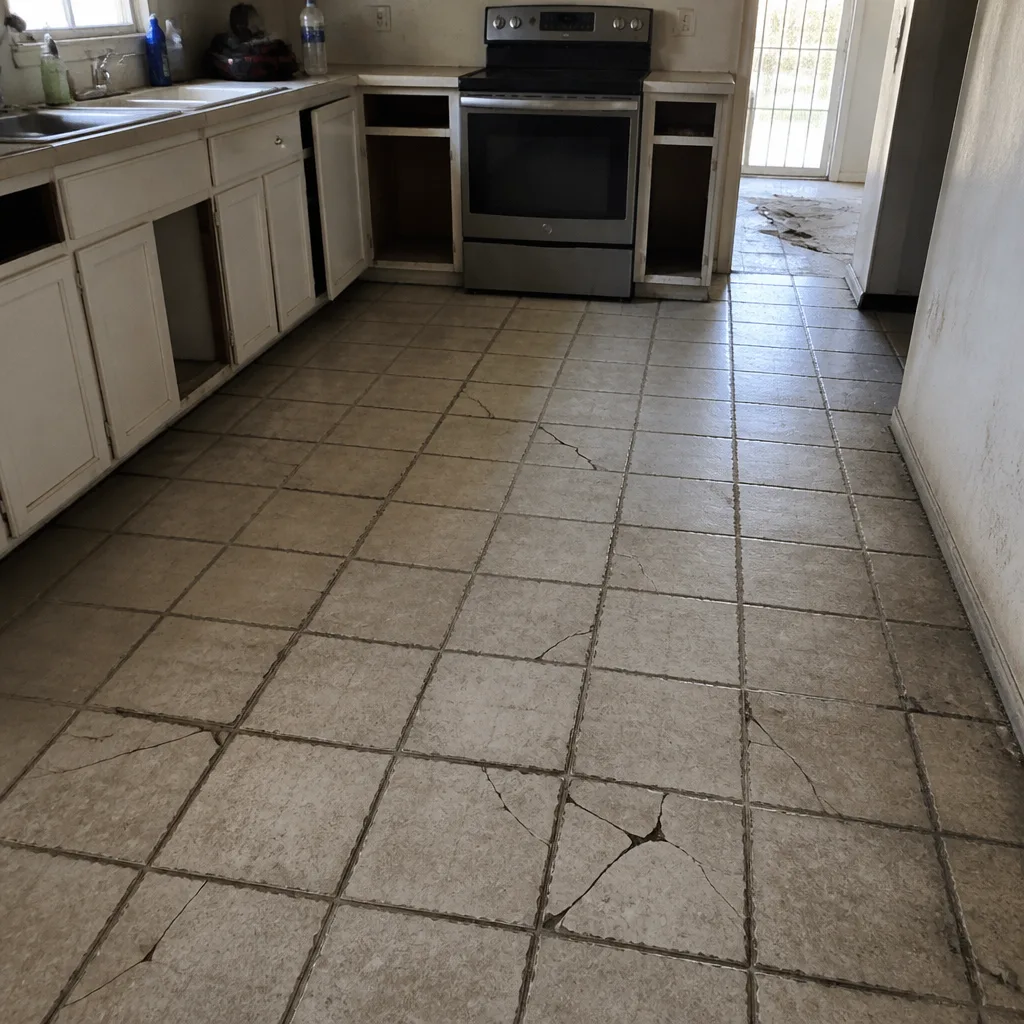 Before
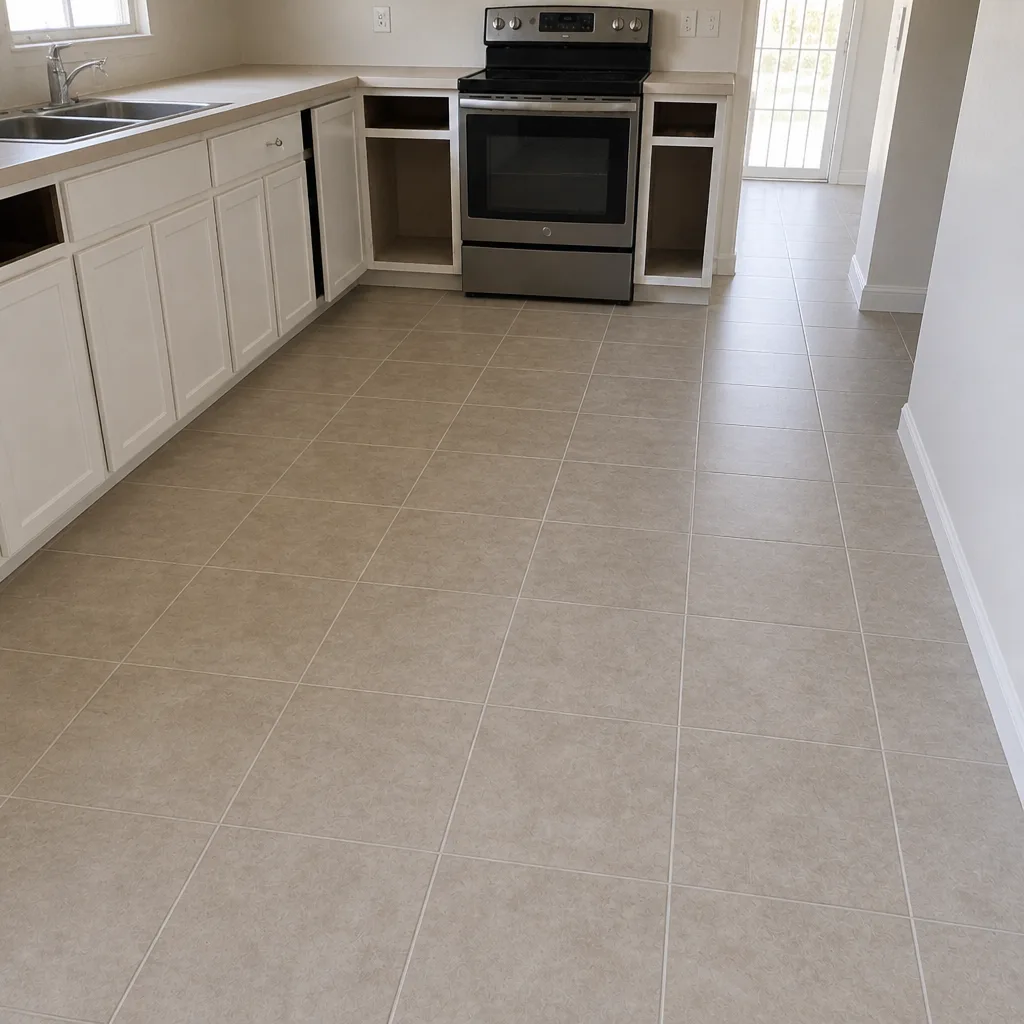 After
When to Call a Professional
Some flooring decisions are DIY-friendly. Most aren’t. Call a professional when the room has a slab under it that you haven’t had checked, when you’re weighing tile in a wet room, when the tile substrate or grout layout needs to be right, when existing hardwood needs a refinishability check, or when the room is a kitchen or bathroom where water is going to be present. Call when you’ve been quoted a range and you want a real number. Call when you’re choosing between two categories and want the fit answered by someone who works on floors every day. Flooring Whitney offers free estimates in Whitney. Call (833) 734-5603 to schedule yours. We answer 24/7. Fast dispatch from 7am to 7pm, Sunday through Friday.
Frequently Asked Questions
Tile and luxury vinyl plank handle Whitney’s temperature swings and low humidity with the least fuss. Carpet performs well in bedrooms and living areas. Hardwood works when indoor humidity is kept steady. There isn’t one best floor; there’s a best floor per room, set by the room’s moisture and traffic. Call (833) 734-5603 for a free estimate tailored to your home.
Usually not directly over the slab, since most Whitney homes sit on slab-on-grade and solid wood that needs to be nailed down needs a wood subfloor. Engineered hardwood, floating floors or a different category like luxury vinyl are the realistic options. If you already have hardwood, refinishing may be the answer. Call (833) 734-5603 to book the check.
No. LVP is water-resistant, not waterproof. Standing water and moisture coming from below the slab still have to be dealt with, and a moisture barrier under the plank is often part of the install. The written estimate sets what your job needs. Call (833) 734-5603 for an exact quote; estimates are free.
Flooring prices in Whitney depend on the material, the room size and how much slab prep the job requires. Tile, LVP and laminate are usually quoted by the square foot plus prep and underlayment; carpet adds pad and labor; hardwood refinishing adds coats and repair. The written estimate sets the final price. Call (833) 734-5603 for an exact quote.
Sometimes. It depends on how thick the wood is and how many times it’s been refinished before, and the answer shows up at the estimate visit. Not every floor can be refinished, and a specific stain match depends on the wood itself. If you want the check done first, call (833) 734-5603; estimates are free.
The schedule is set at the estimate. It depends on the room size, the material, how much slab prep is needed and whether the old floor gets pulled up first. The written estimate sets the install day and the plan. Call (833) 734-5603 to book the measure and get the timeline.
The Bottom Line
Flooring in Whitney is a fit question, not a fashion question. The high desert climate eliminates some options, the slab-on-grade foundation shapes the rest, and the right answer changes from one room to the next. Tile and LVP carry the wet and high-traffic rooms, carpet handles bedrooms and living areas, and hardwood works when the humidity plan supports it. Refinishing is often the smarter first question if the house already has hardwood. The written estimate sets the final price, and the in-home measure is where it comes from. Call (833) 734-5603 to schedule your free estimate. We answer 24/7. Fast dispatch from 7am to 7pm, Sunday through Friday.
Written by the team at Flooring Whitney.