
Last updated November 17, 2026
 Hardwood
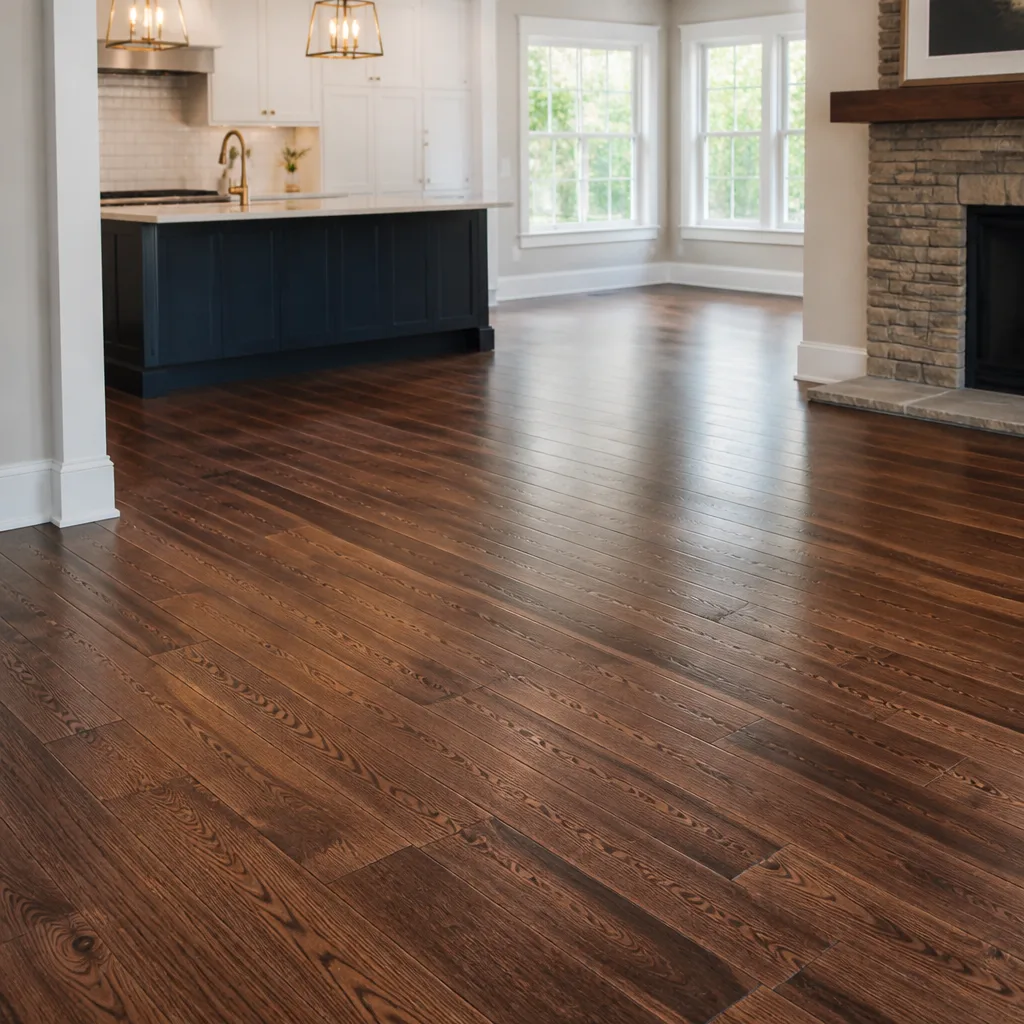 Engineered hardwood
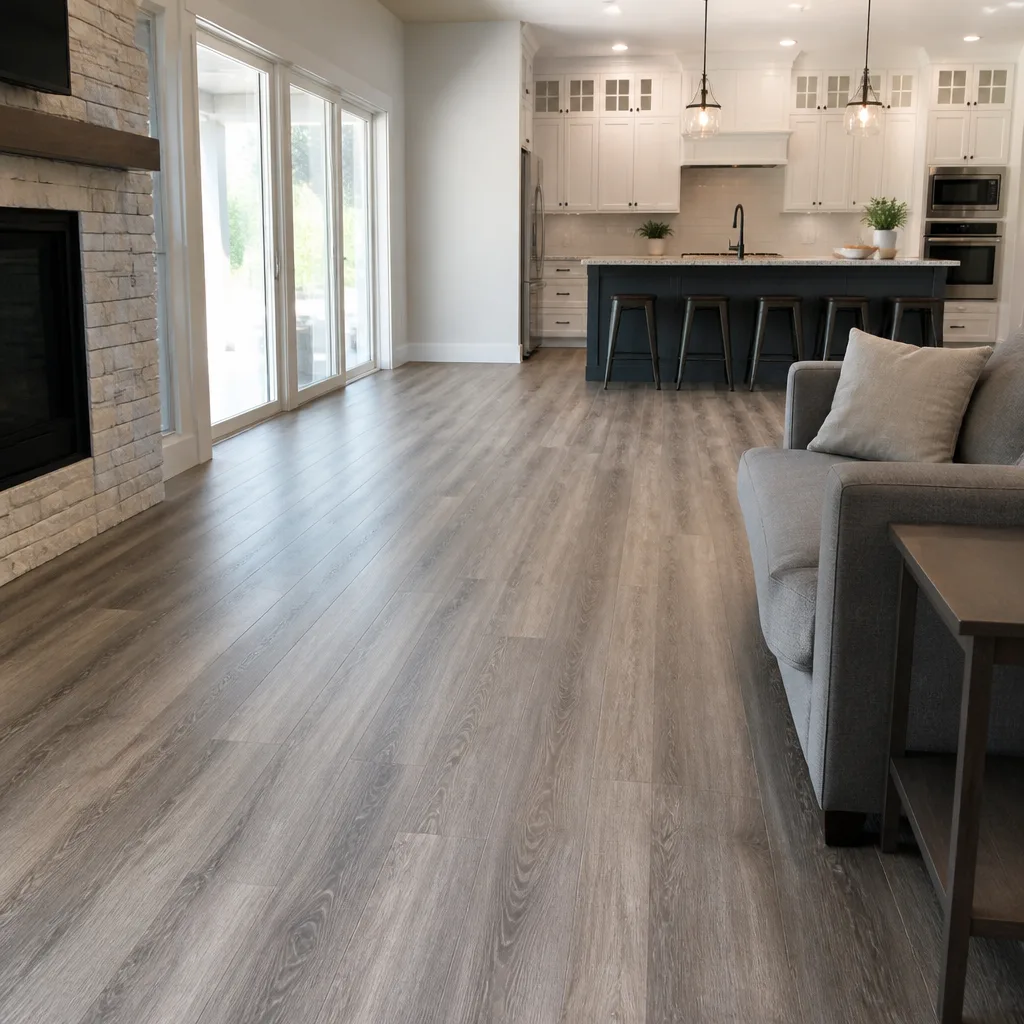 Luxury vinyl plank
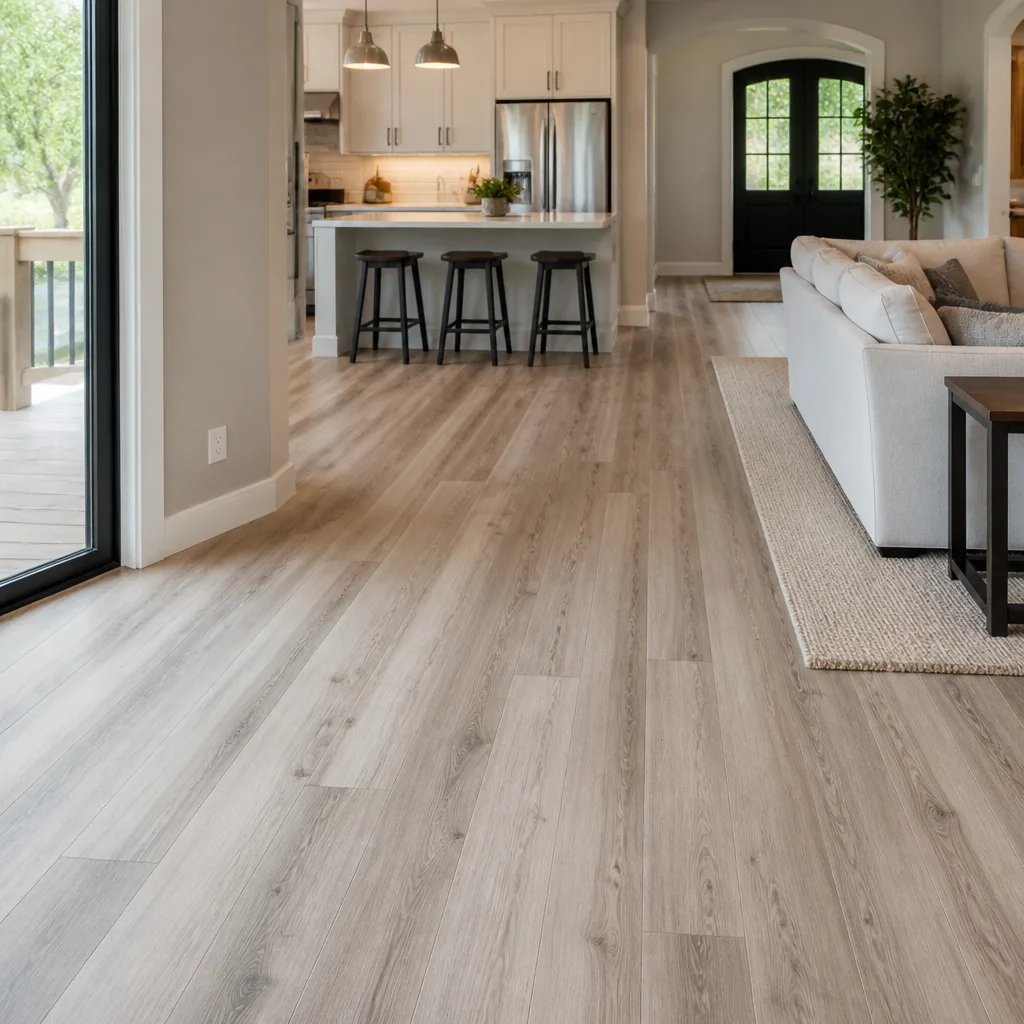 Laminate
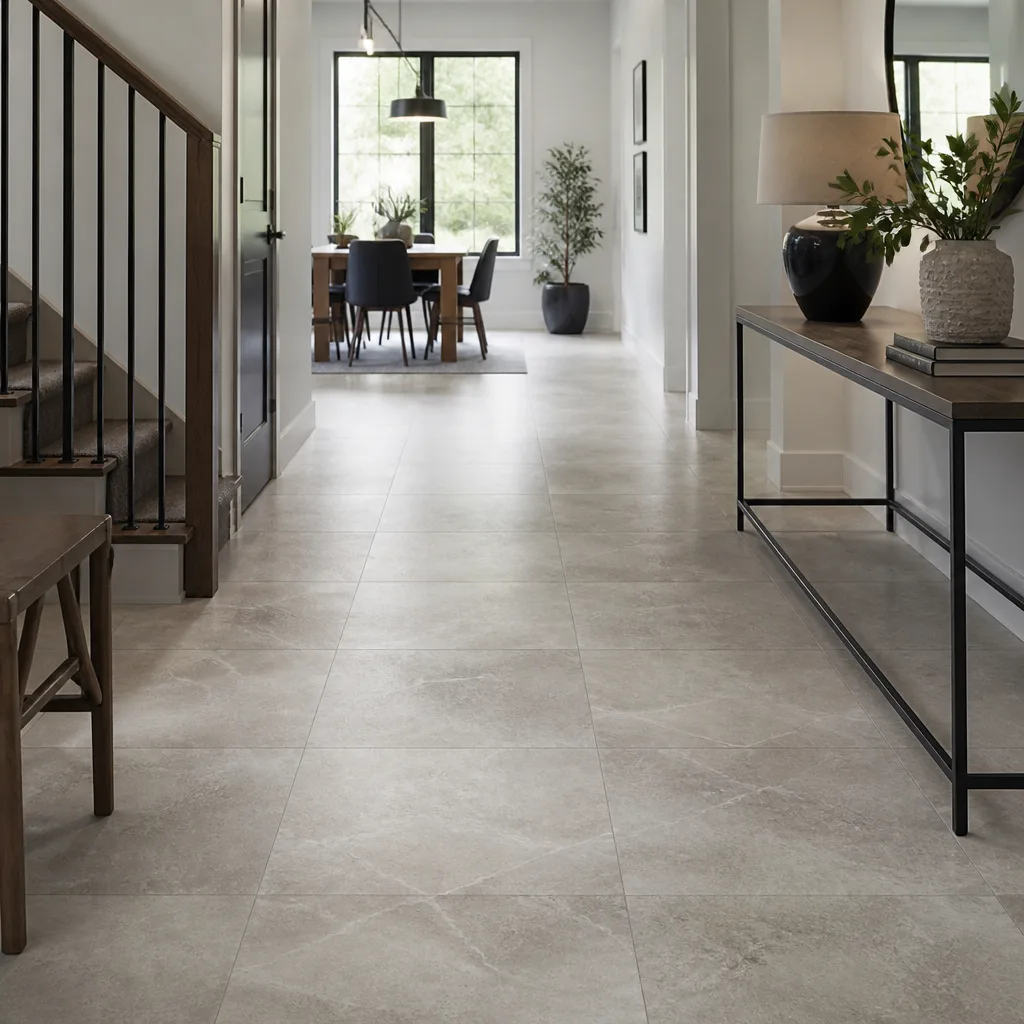 Porcelain tile
 Carpet
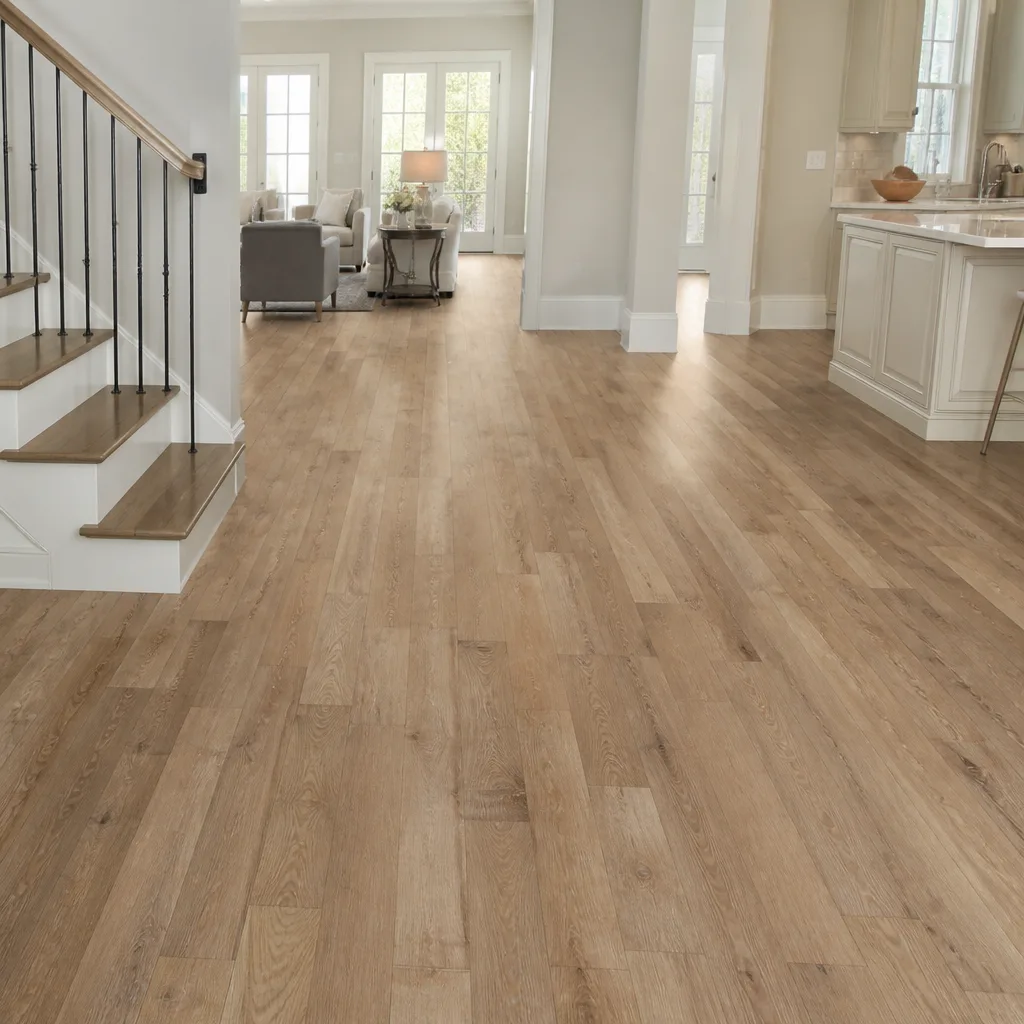 Shaw
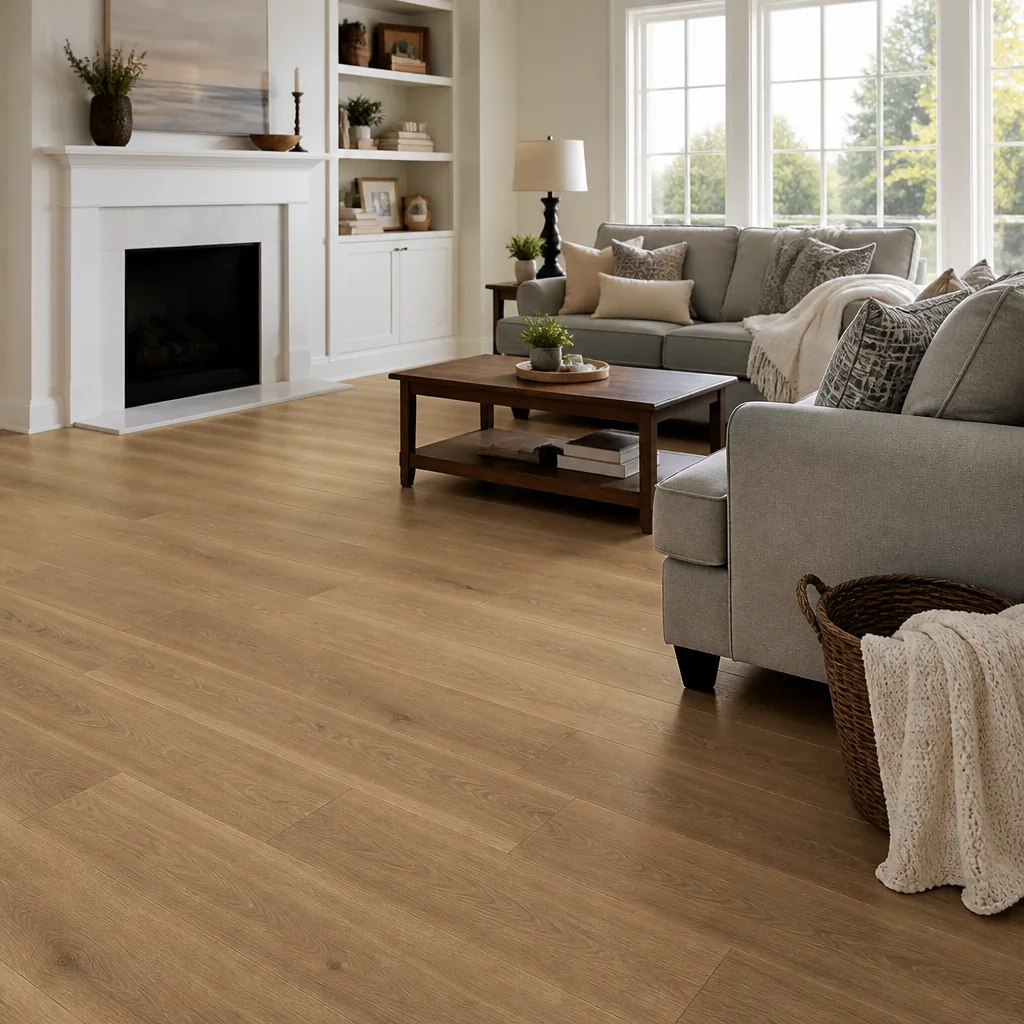 Mohawk
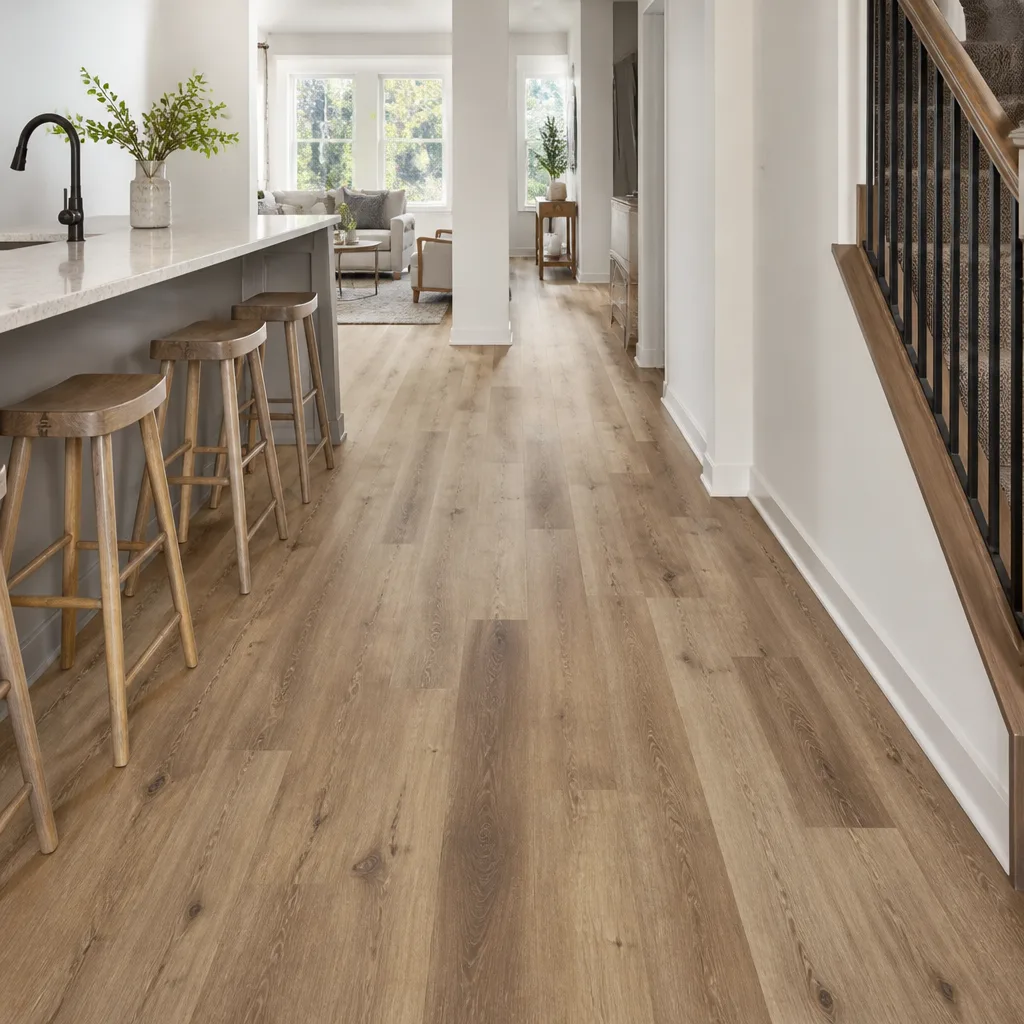 COREtec
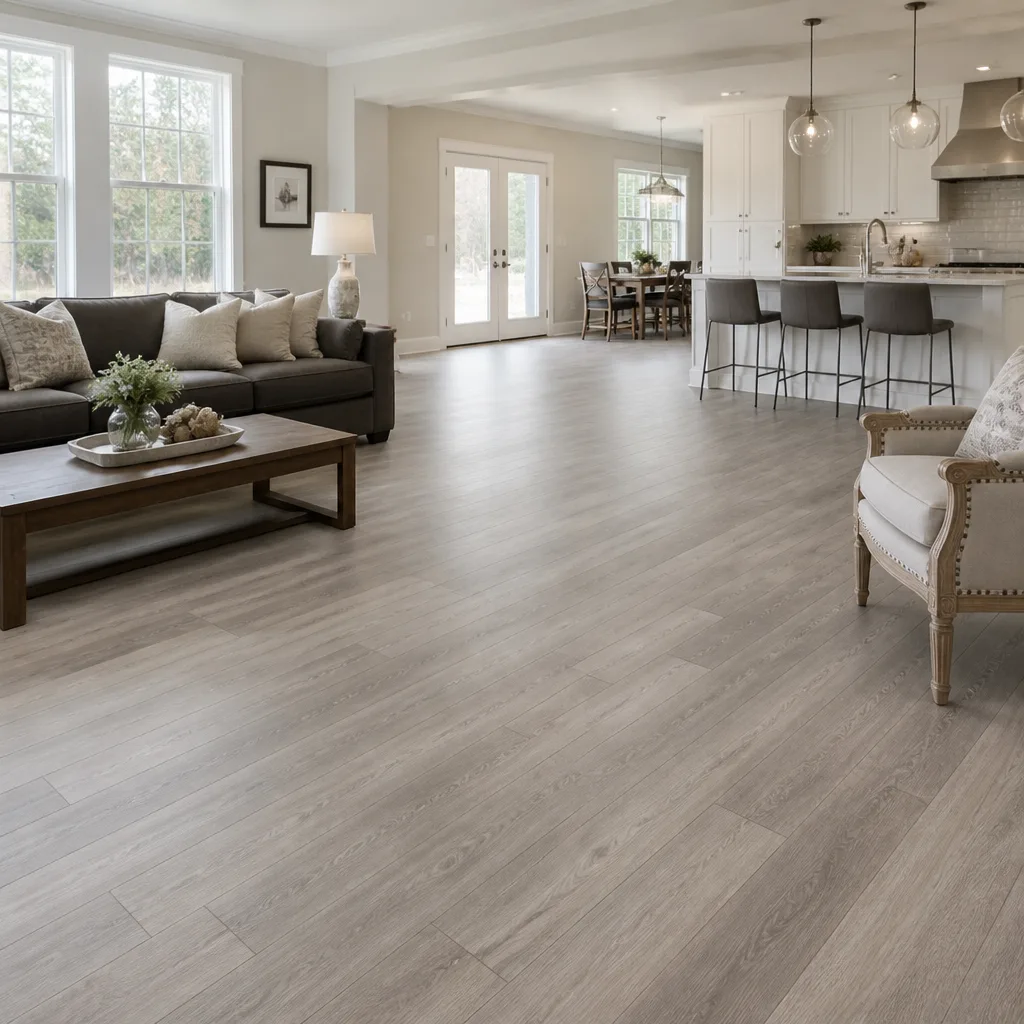 Pergo
Free in-home measure and written estimate: Shaw, Mohawk, COREtec and Pergo lines compared on your own rooms, with carpet, tile, vinyl plank, laminate and hardwood laid out side by side
Get your free estimateHow to Care for New Flooring: Hardwood, Vinyl, Laminate, Tile and Carpet
In Whitney’s low-humidity environment, the floors most likely to fail aren’t the ones that got wet. They’re the ones that dried out too fast and were never protected from the fine grit that acts like sandpaper underfoot. That single fact rewires almost everything the standard care advice tells you. Most flooring guides are written for damp climates, where the enemy is water, mold and swelling. Here, the enemy is the other direction: air that pulls moisture out of wood, sun that bleaches a finish, and dust that grinds a wear layer down long before its time. This guide walks through what actually matters for hardwood, luxury vinyl, laminate, tile and carpet in and around Whitney, with the material-specific rules that the generic advice skips.
Styles & brands we work with
- Hardwood
- Engineered hardwood
- Luxury vinyl plank
- Laminate
- Porcelain tile
- Carpet
- Shaw
- Mohawk
- COREtec
- Pergo
Quick Answer
Care for new flooring in Whitney by matching maintenance to the material and to the dry climate: keep indoor relative humidity above roughly 35% for hardwood, vacuum grit daily before it abrades a finish, clean luxury vinyl and laminate with a damp (not soaking) mop and pH-neutral products, seal tile grout on a regular schedule, and vacuum carpet more often than you would in a humid region. The single biggest mistake is over-wetting any floor to compensate for the dryness. Control the air, control the grit, and most floors hold up for their full service life.
Table of Contents
- Why Whitney’s Dry Climate Changes the Care Rules
- Hardwood Care in a Low-Humidity Climate
- Luxury Vinyl: What Cleans It and What Damages It
- Laminate and the One Moisture Rule That Still Applies
- Tile and Grout: Sealing Schedules and Abrasive Cleaners
- Carpet Care in a High-Dust Desert Environment
- Daily Habits That Protect Any Floor
- Common Mistakes to Avoid
- When to Call a Professional
- Frequently Asked Questions
Why Whitney’s Dry Climate Changes the Care Rules
Most flooring care content online is written for the Midwest or the Southeast, where humidity sits high and the worry is swelling, cupping and mold. Whitney does not work that way. Our climate runs dry, and dry air pulls moisture out of anything that can lose it. That flips the priority order. Water damage still matters, but it’s a smaller share of the failures we see. The bigger issues are contraction, sun fading and dust abrasion.
Three forces drive most of the problems in local homes:
- Low indoor humidity. Heated and cooled air in a Whitney home can drop well below comfortable moisture levels. Wood and wood-based products shrink as they dry, and that shows up as gaps between planks and small cracks in a finish.
- Intense UV. The high-desert sun is strong, and it comes through windows at an angle that reaches deep into rooms. A finish and the wood under it fade unevenly where sun lands and doesn’t.
- Fine airborne grit. Dust and sand in the air settle on floors and get walked on. Under a shoe, that grit behaves like sandpaper on any finish, soft vinyl included.
None of this means a Whitney floor is fragile. It means the maintenance routine that protects it is different from what a coastal or humid-climate guide would tell you. The advice below is built for how floors actually age here.
Hardwood Care in a Low-Humidity Climate
Hardwood is the floor most sensitive to dry air, and the material where a maintenance routine makes the biggest difference. The core job is to keep indoor relative humidity from dropping too far, because wood moves as moisture levels change. When a home’s air falls below roughly 35% relative humidity for extended stretches, hardwood can shrink enough to open gaps at the seams and hairline-check the finish. A simple hygrometer, available at any hardware store, tells you what your rooms are actually doing.
If your readings sit low through dry stretches, a whole-home or room humidifier brings the air back toward a stable range. Consistency matters more than hitting one exact number. A floor that swings between desert-dry air and humidified air all season can move more than one held steady. Run your humidifier through the driest months and keep doors and windows closed when the air outside is at its most parched.
Beyond humidity, hardwood care comes down to a few daily rules:
- Sweep or dust-mop frequently to lift grit before it’s ground into the finish. A microfiber pad does this without scratching.
- Wipe spills promptly with a dry or barely damp cloth. Standing water on hardwood is still a problem even in a dry climate, because it can seep at seams.
- Use area rugs and runners in high-traffic zones and at doorways where grit enters. A rug catches the grit before feet carry it across the floor.
- Skip the wet mop and the all-purpose spray cleaner. Damp cleaning only, with a product made for hardwood.
- Pull furniture out of direct sun or use window coverings during the brightest hours. UV fades a finish and the wood under it.
For older hardwood that has dulled, scratched or grayed, refinishing is the smarter first question before anyone considers replacement. Our Whitney team handles refinishing as one of three core services, and it restores a floor’s surface without the cost of tearing it out. A finish that’s worn but structurally sound usually has plenty of life left in it below the surface.
Luxury Vinyl: What Cleans It and What Damages It
Luxury vinyl plank, including lines like COREtec and Karndean, is one of the most forgiving floors to live with. It’s water-resistant and handles spills without panic. But the wear layer on top is a thin protective surface, and the wrong cleaners break it down. The mistake we see most often is a homeowner using something too strong, thinking more cleaning power is better.
What’s safe: a damp mop with a pH-neutral vinyl floor cleaner, plain water for everyday touch-ups, and a soft microfiber mop head. What damages the wear layer over time:
- Abrasive cleaners and scouring pads. These scratch the wear layer and leave a dull, hazy patch that won’t buff back.
- High-alkaline or solvent-based cleaners. Products meant for other surfaces can attack the finish and leave it sticky or cloudy.
- Steam mops. The heat and moisture can work at seams and adhesive over repeated use. A damp mop is enough.
- Acetone, bleach-heavy solutions and “miracle” degreasers. Keep these off vinyl entirely.
Even water-resistant vinyl has limits. Standing water left at a seam or against a baseboard gets under the edge and can loosen adhesive or trap grime. Wipe up a spill, don’t let it sit. And because fine grit is the main enemy here, a daily sweep or dust mop does more for a Whitney vinyl floor than any special product. If you’re choosing new vinyl, brands like COREtec and Karndean give you options across price points, and our team can talk through which line suits a high-traffic kitchen versus a design-forward living space.
Laminate and the One Moisture Rule That Still Applies
Laminate is tough on top and vulnerable at the seams. In a dry climate, that seems like a contradiction. It isn’t. The wear surface of laminate resists scratches and wear well, but the core is made from wood-based material that swells if water gets past the surface and into the edges. That’s the one moisture rule that still matters in Whitney, where most of the other water advice has less bite.
The practical rule: standing water is the enemy, not humidity swings. A dry, dusty Whitney home is fine for laminate. A puddle left overnight at a plank seam is not. When liquid sits at a seam, it wicks into the core, the edges swell, and the plank lifts or puckers. That damage can’t be sanded out the way a scratched hardwood finish can.
Laminate care follows from that:
- Clean with a damp mop or a slightly damp cloth, never a wet one. The mop head should be wrung out before it touches the floor.
- Wipe spills immediately with a dry cloth, paying attention to the seams where water does the most damage.
- Use a pH-neutral laminate cleaner rather than a general-purpose spray, which can leave residue that traps grit.
- Put a mat at exterior doors so wet shoes and grit stop before the floor starts.
- Skip steam mops. The moisture and heat work against the seams a laminate floor relies on.
Laminate and the brands we carry, including Shaw and Mohawk offerings, hold up well in local homes when they’re kept dry. The flip side is that the dryness itself isn’t a threat to laminate the way it is to solid hardwood. You don’t need to humidify for a laminate floor. You do need to keep it dry at the joints.
Tile and Grout: Sealing Schedules and Abrasive Cleaners
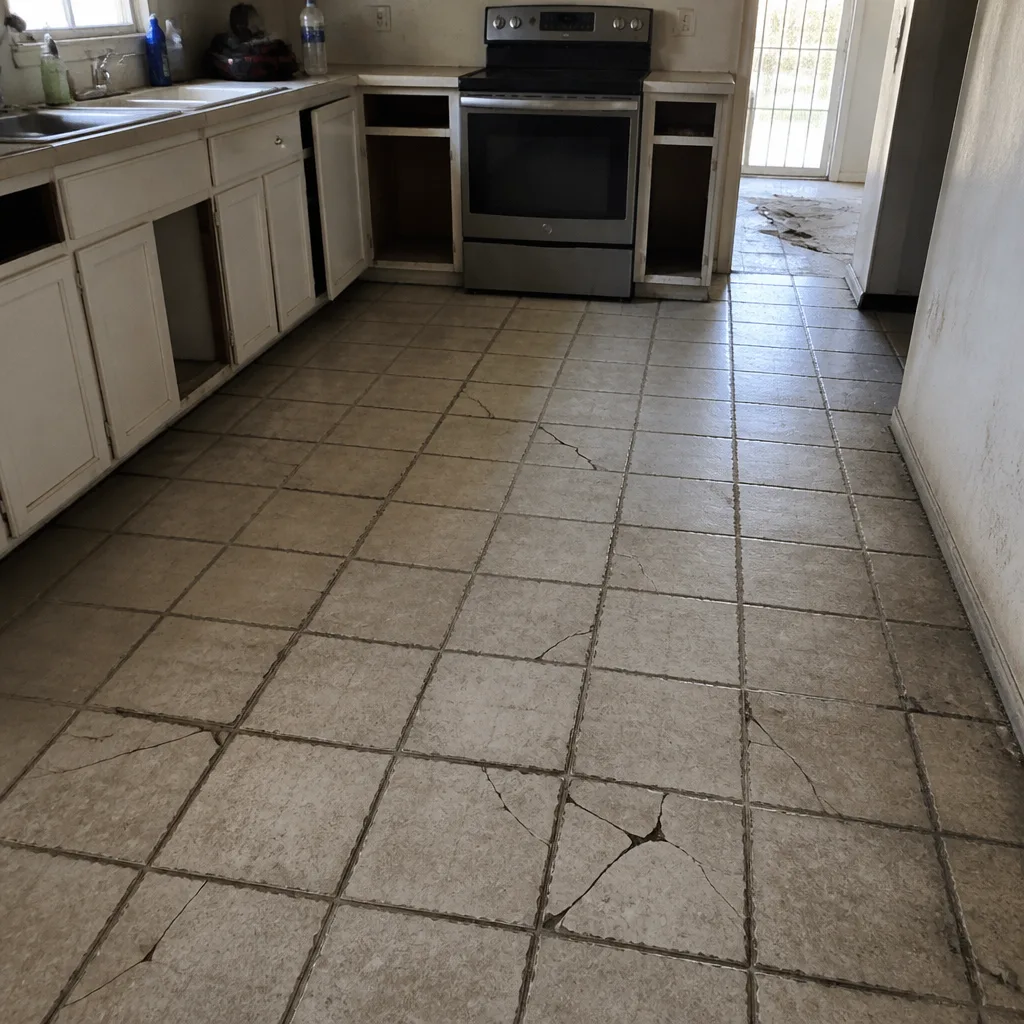
Tile is the most durable floor surface in a Whitney home and the one most often mistreated by cleaning. The tile itself will outlast the grout between it by a wide margin. Grout is porous, and in a dusty climate it fills with fine grit and stains faster than most homeowners expect. Sealing is what slows that down, and a regular sealing schedule is the single best thing you can do for a tile floor.
Sealing depends on the grout and the traffic. A practical rule most homes can follow:
- Test whether grout needs sealing by dropping a little water on it. If the water beads, the seal is holding. If it soaks in and darkens the grout, it’s time to reseal.
- Clean the grout thoroughly before resealing. Seal over dirt and you lock it in.
- Apply a penetrating grout sealer to a clean, dry floor and follow the product’s directions on how long to wait.
- Check high-traffic floors like kitchens and entryways more often than a low-traffic bathroom.
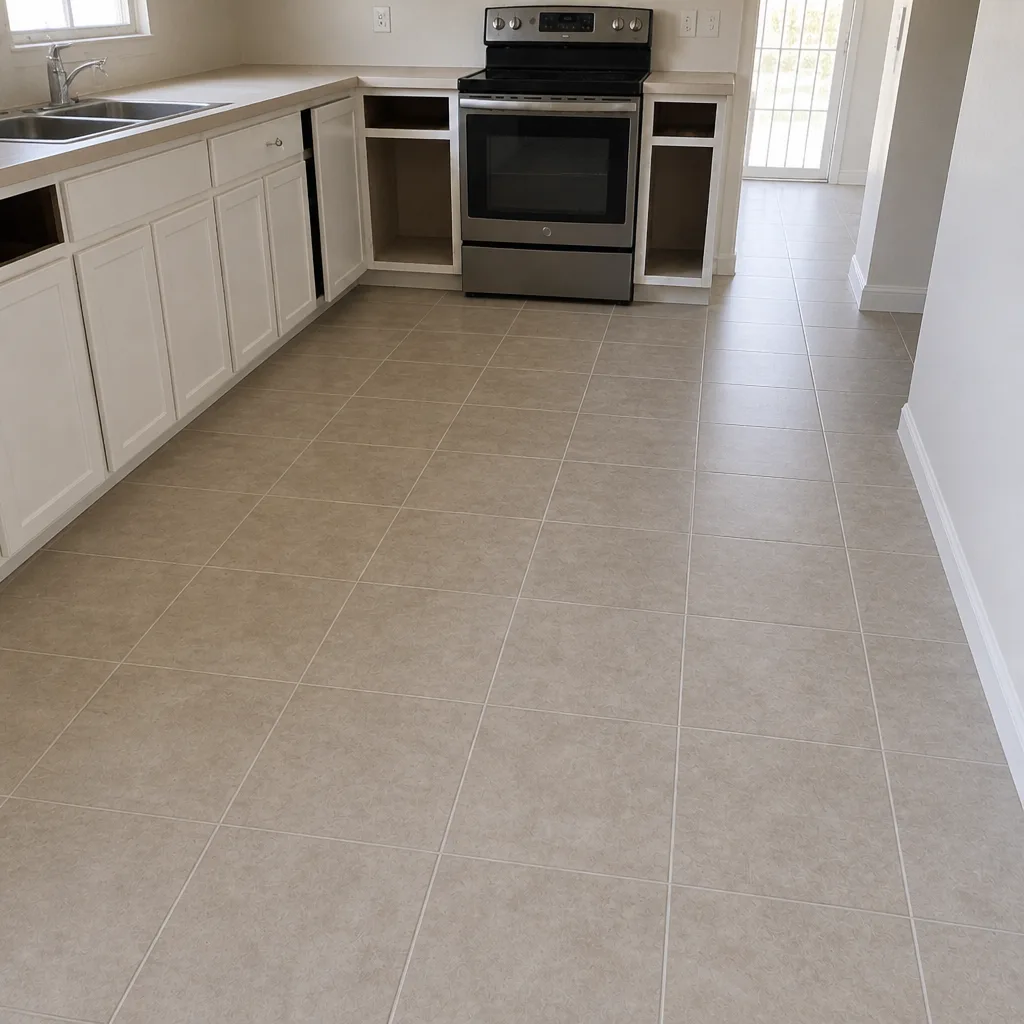
Abrasive cleaners are the other problem. Glazed tile has a protective surface, and scouring powders, steel wool and gritty pads wear it down over time. Once that glaze is dulled or scratched, it doesn’t come back. Stick to pH-neutral tile cleaner and a soft brush for grout lines. For floors that need replacement or a fresh install in a kitchen or bath, our tile flooring installation work covers the full job from measure to set.
Carpet Care in a High-Dust Desert Environment
Carpet in a Whitney home takes more abuse than carpet in a humid climate, and the reason is dust. Fine airborne grit settles into carpet fibers constantly, and walking on it presses the grit down into the pile. Left alone, that grit abrades fibers and backing and shortens the life of the carpet well before it wears out from foot traffic alone. Vacuuming frequency is the number one thing you control.
A workable vacuuming routine for a dusty environment:
- Vacuum high-traffic rooms several times a week, not once a week. Entryways, hallways and living rooms collect the most grit.
- Vacuum low-traffic bedrooms at least once a week.
- Use slow, overlapping passes. Fast vacuuming skims the surface and leaves grit in the pile.
- Put a doormat at every exterior door. It catches grit before it reaches the carpet.
- Take shoes off at the door, or at least in carpeted rooms.
Professional extraction is a different question from routine vacuuming. Deep cleaning is worth scheduling when the carpet looks dull despite regular vacuuming, when traffic lanes darken, or when it’s been a long stretch since the last deep clean. In a dusty climate, plan on it more often than a humid-climate guide would suggest. Carpet in a Whitney home also benefits from a good-quality pad underneath, which cushions fibers and helps them spring back. When a carpet is worn beyond cleaning, our carpet installation team can replace it with a brand and grade matched to how the room gets used.
Daily Habits That Protect Any Floor
A few small habits protect every material in this guide, from hardwood to carpet, and they cost almost nothing. The common thread is grit control. In a dry, dusty place, preventing grit from being ground into a floor matters more than any product you could buy.
- Place a mat or rug at every exterior door, inside and out. Grit enters on feet, and a mat stops most of it.
- Sweep or dust-mop the highest-traffic floors daily. This is the cheapest protection there is.
- Take shoes off indoors. Bare feet and socks don’t grind grit the way soles do.
- Keep a hygrometer in the main living area and watch the humidity, especially in dry months.
- Wipe spills immediately, on any floor. Even water-resistant floors don’t like standing water at seams.
- Rotate area rugs and furniture periodically so wear and sun exposure spread evenly.
- Clean with the right product for the material. One all-purpose cleaner for every floor is how finishes get dulled.
These habits are what separate a floor that looks new for years from one that’s worn out early. They’re the same advice our team gives at every estimate, and they apply no matter which brand or material ends up on the floor.
Common Mistakes to Avoid
- Over-wetting floors to fight the dust. Homeowners reach for a wet mop to deal with grit, but on hardwood and laminate, excess water is worse than the dirt. Use a damp mop and lift the grit with a sweep first.
- Ignoring indoor humidity for hardwood. Letting a Whitney home drop far below 35% relative humidity through dry months opens seams and checks finishes. Watch it with a hygrometer and humidify when it’s low.
- Using abrasive cleaners on glazed tile. Scouring powders and steel wool dull the glaze permanently. Once it’s gone, it doesn’t come back, and the floor looks worn even though the tile is fine.
- Steam-mopping vinyl and laminate. Heat and moisture work against seams and adhesive. A damp mop does the job without the risk.
- Under-vacuuming carpet in dusty rooms. A once-a-week vacuum in a high-traffic room leaves grit deep in the pile to grind fibers. Vacuum high-traffic areas more often than that.
- Skipping grout sealing. Unsealed grout stains quickly in a dusty climate. Test with a water drop and reseal when it soaks in.
- Setting furniture and rugs in direct sun for years. UV in Whitney is strong, and it fades a finish or carpet unevenly. Rotate furniture and rugs so exposure spreads.
When to Call a Professional
Most day-to-day care is a homeowner job. Call a professional when the problem is structural or when the floor is at the end of its life. Specific triggers: hardwood that has cupped, warped or has deep cracks that won’t close, or a finish that’s worn through to bare wood and needs refinishing. Carpet that sags, has permanent stains or smells from the pad. Tile that has lifted off the subfloor or grout that won’t hold a seal. Luxury vinyl or laminate with swollen seams from water damage, which usually can’t be repaired plank by plank.
Flooring Whitney offers free estimates in Whitney. Call (833) 734-5603 to set one up, and our team will look at the floor and give you a written price for a repair, refinish or replacement. Our technicians have up to 14 years of experience, and the estimate comes with no pressure to buy.
Frequently Asked Questions
Sweep or dust-mop high-traffic floors daily and damp-clean once a week with a product made for the material. In Whitney’s dusty climate, the daily sweep is the one that protects a floor the most, because it removes the grit that wears a finish. Vacuum carpet in high-traffic rooms several times a week and damp-clean every other floor weekly. Call (833) 734-5603 for a free estimate if you’re ready to plan a new install.
It’s not ideal. Steam mops push heat and moisture into the seams and adhesive that hold vinyl and laminate together, and over time that can loosen edges. A damp mop with a pH-neutral cleaner does the job without the risk. Skip steam and stick to a wrung-out mop head. If your vinyl or laminate has already been damaged by moisture, call (833) 734-5603 for a free estimate on repair or replacement.
You likely do during dry months. Hardwood shrinks when indoor air drops far below 35% relative humidity, which shows up as gaps at seams and hairline checks in the finish. A hygrometer tells you where your home sits, and a humidifier keeps it stable through the driest stretches. Consistency matters more than one exact number. Call (833) 734-5603 to schedule a free estimate if your hardwood has developed gaps or needs refinishing.
Reseal when a water drop on the grout soaks in instead of beading, which in a dusty climate can be more frequent than you’d expect. High-traffic floors like kitchens and entries need it more often than low-traffic bathrooms. Clean the grout fully before resealing. If tile has lifted or grout won’t hold, call (833) 734-5603 for a free estimate on a new tile floor.
Fine grit is usually the reason, not foot traffic. In a dry, dusty environment, grit settles into carpet and gets pressed into the fibers, abrading them with every step. Vacuuming high-traffic rooms several times a week and putting mats at doors slows it down. When the carpet is worn beyond cleaning, call (833) 734-5603 for a free estimate on a replacement.
Yes. Flooring Whitney offers free estimates in Whitney, and the price for the actual work is set by a written estimate, not a spoken guess. You’ll know the scope and the cost before any work is booked. Call (833) 734-5603. We answer 24/7. Fast dispatch from 7am to 7pm, Sunday through Friday.
The Bottom Line
Caring for new flooring in Whitney comes down to a few priorities that differ from the standard advice. Keep hardwood humidity stable and above roughly 35%, control grit with a daily sweep before it abrades any finish, clean vinyl and laminate with a damp mop and pH-neutral products rather than steam or abrasives, reseal tile grout on a real schedule, and vacuum carpet more often in a dusty climate. Where a floor can be restored rather than replaced, refinishing hardwood is worth asking about first. With the right routine, every floor you install here has a long, serviceable life. Written by the team at Flooring Whitney.
Ready to plan a new floor or restore the one you have? Flooring Whitney covers carpet, tile and hardwood refinishing, with access to brands like Shaw, Mohawk, COREtec and Karndean across price points. Call (833) 734-5603 for a free estimate, and our team will walk the space and give you a written quote. We answer 24/7. Fast dispatch from 7am to 7pm, Sunday through Friday.
See the difference
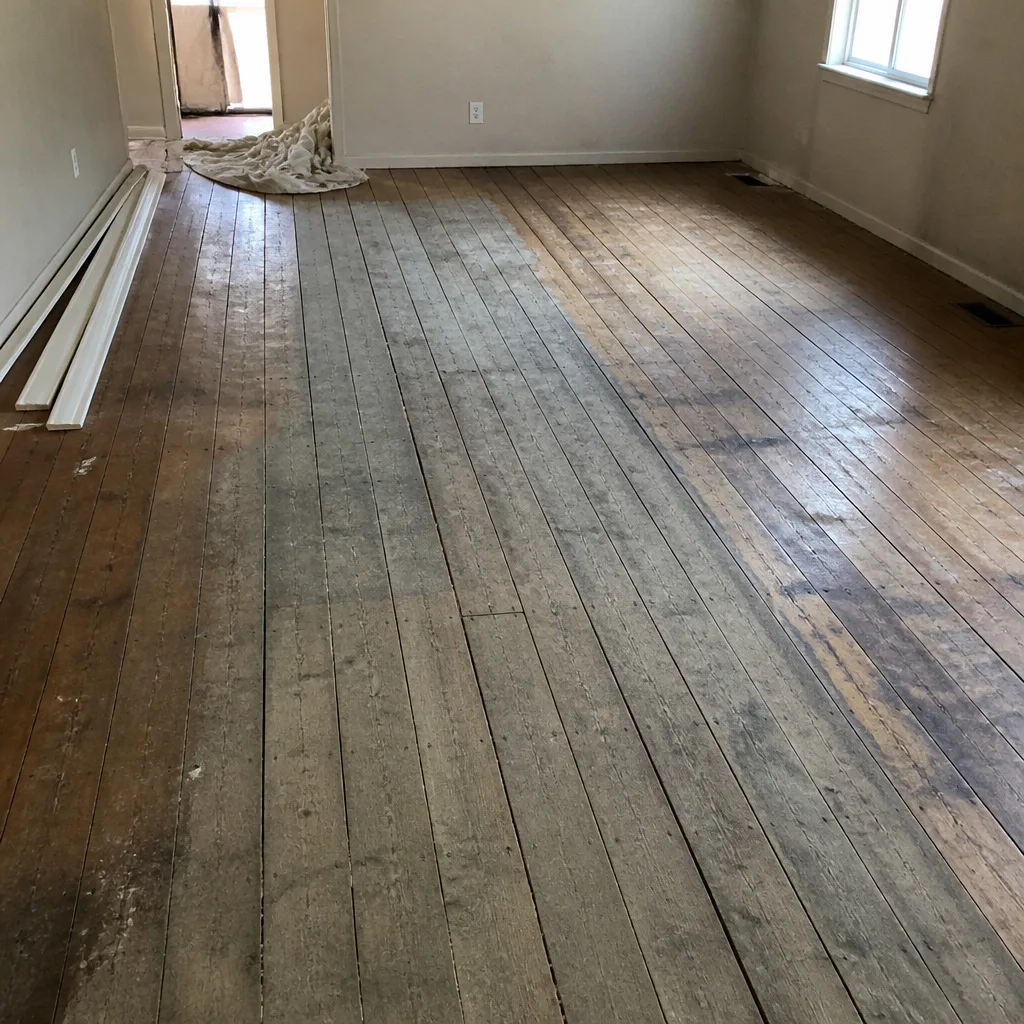 Before
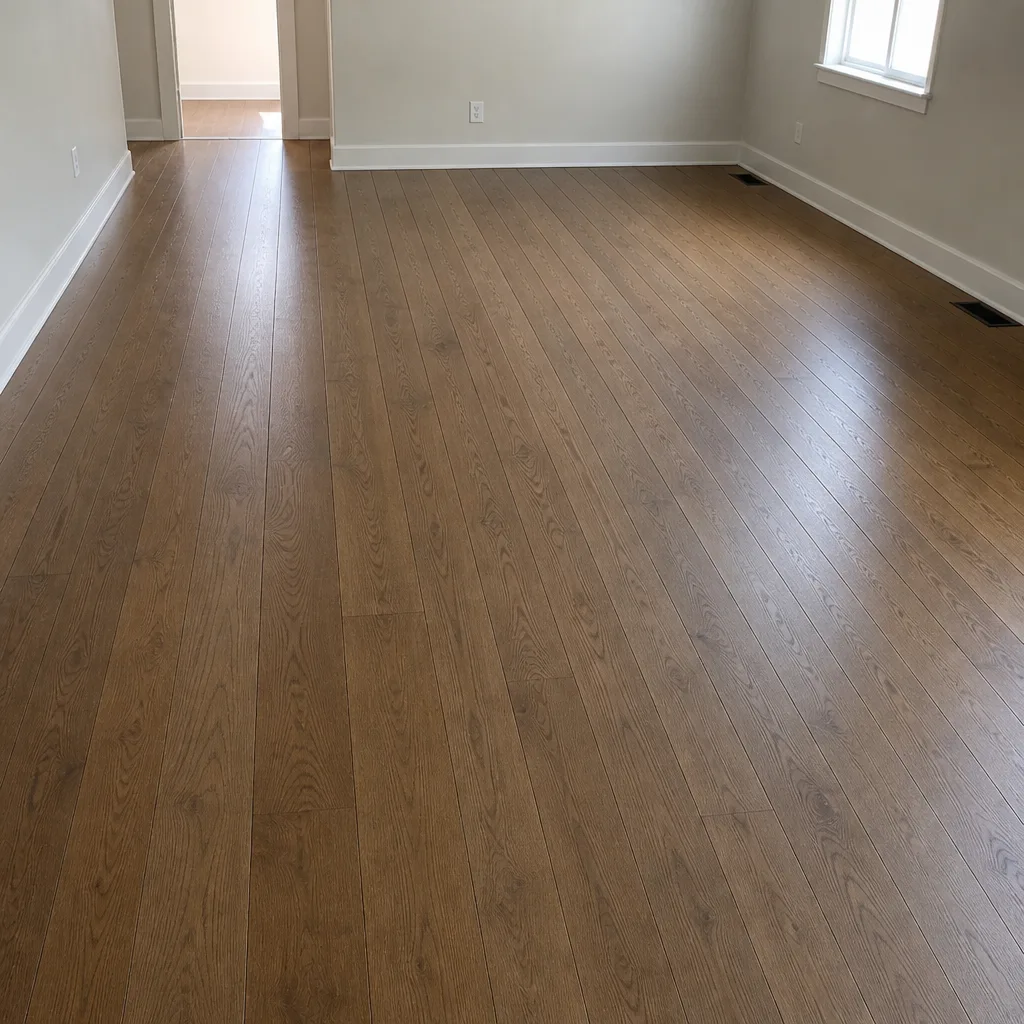 After
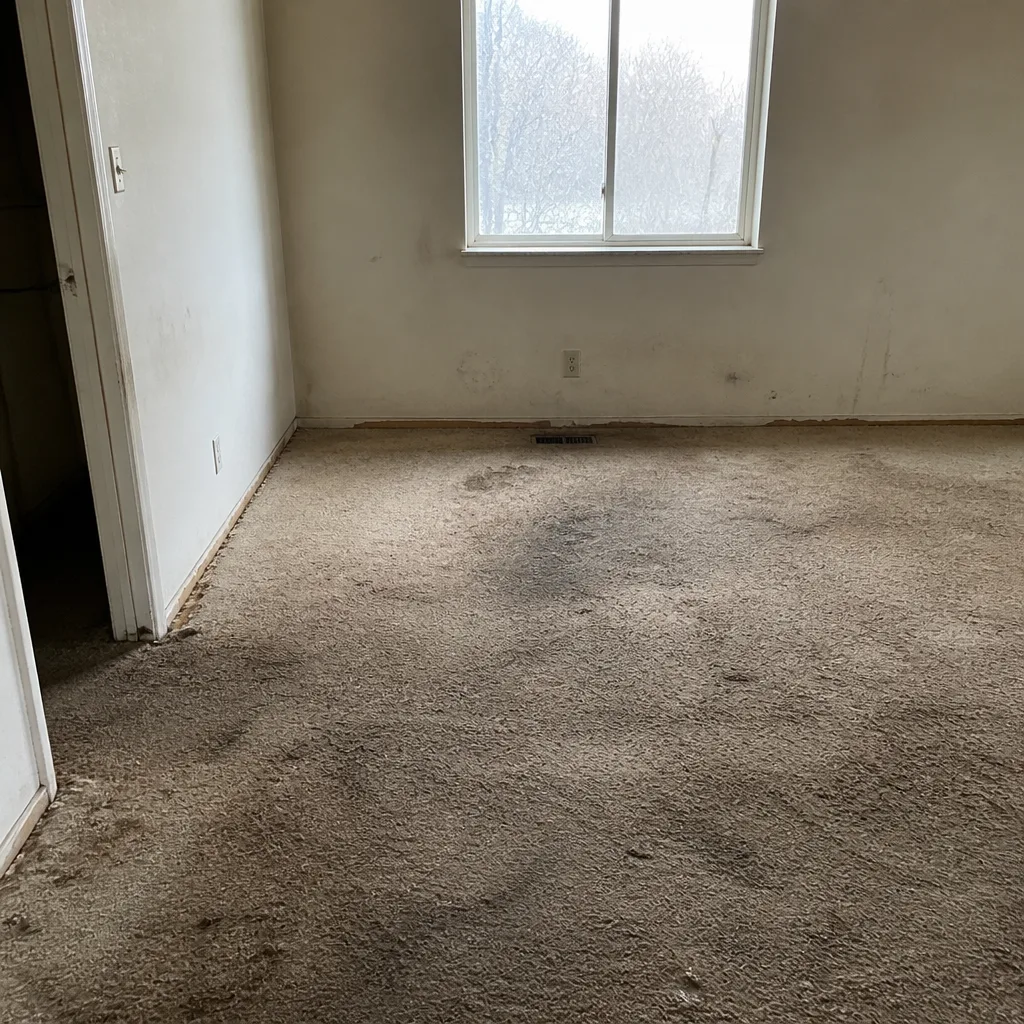 Before
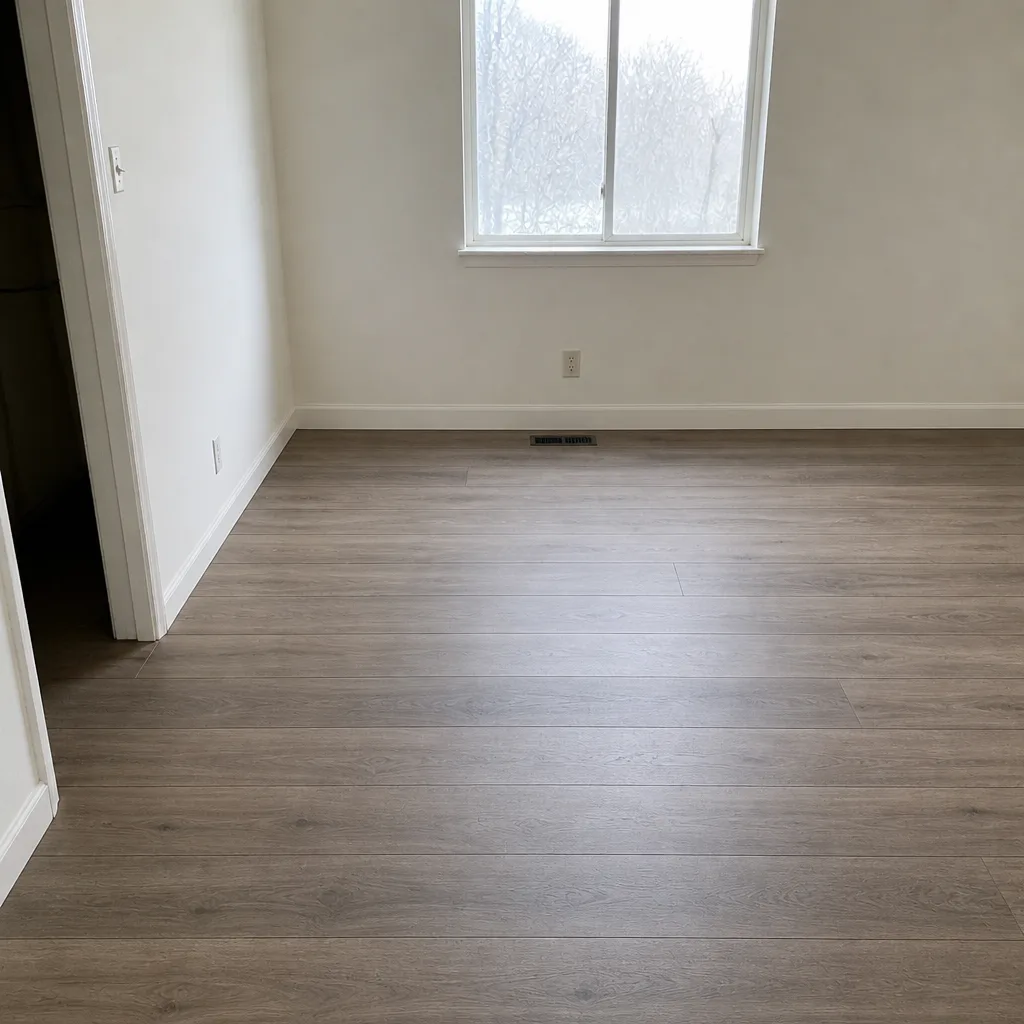 After
 Before
 After