
Last updated November 17, 2026
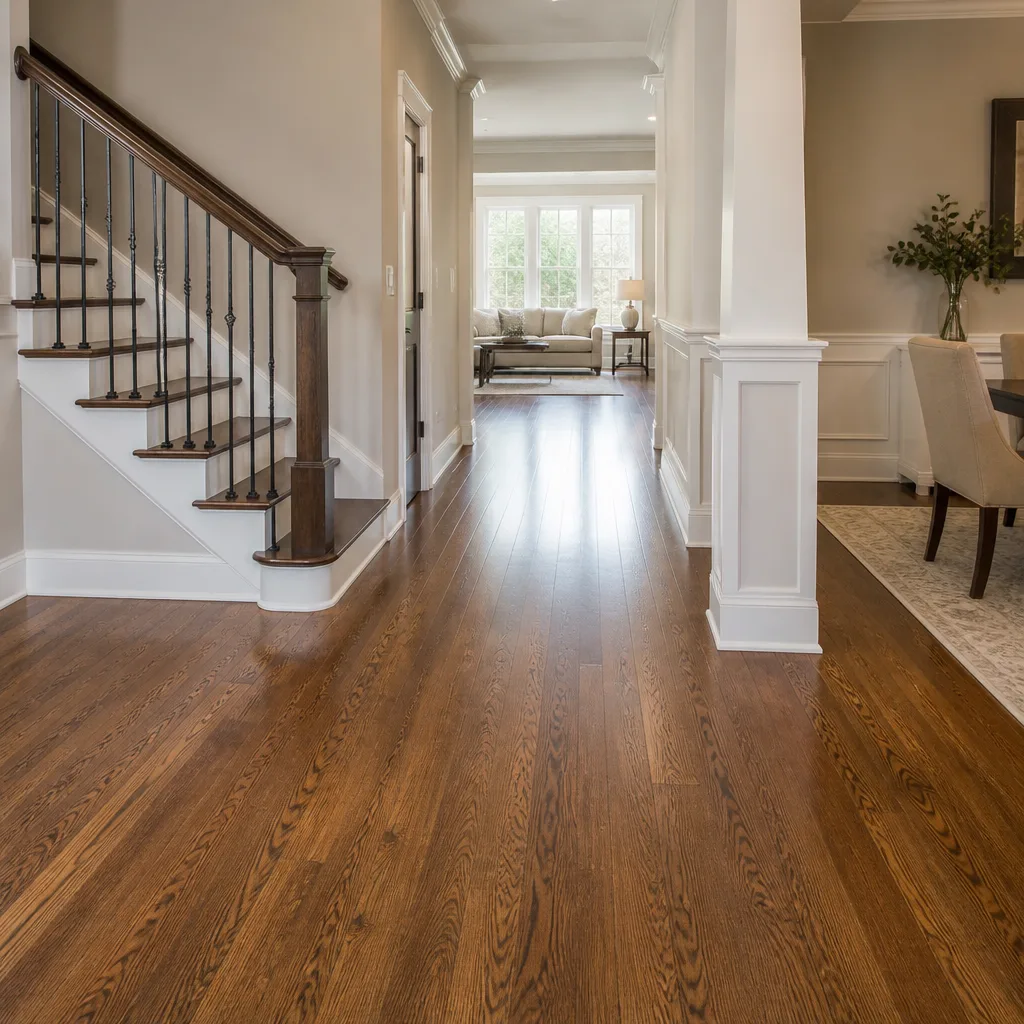 Hardwood
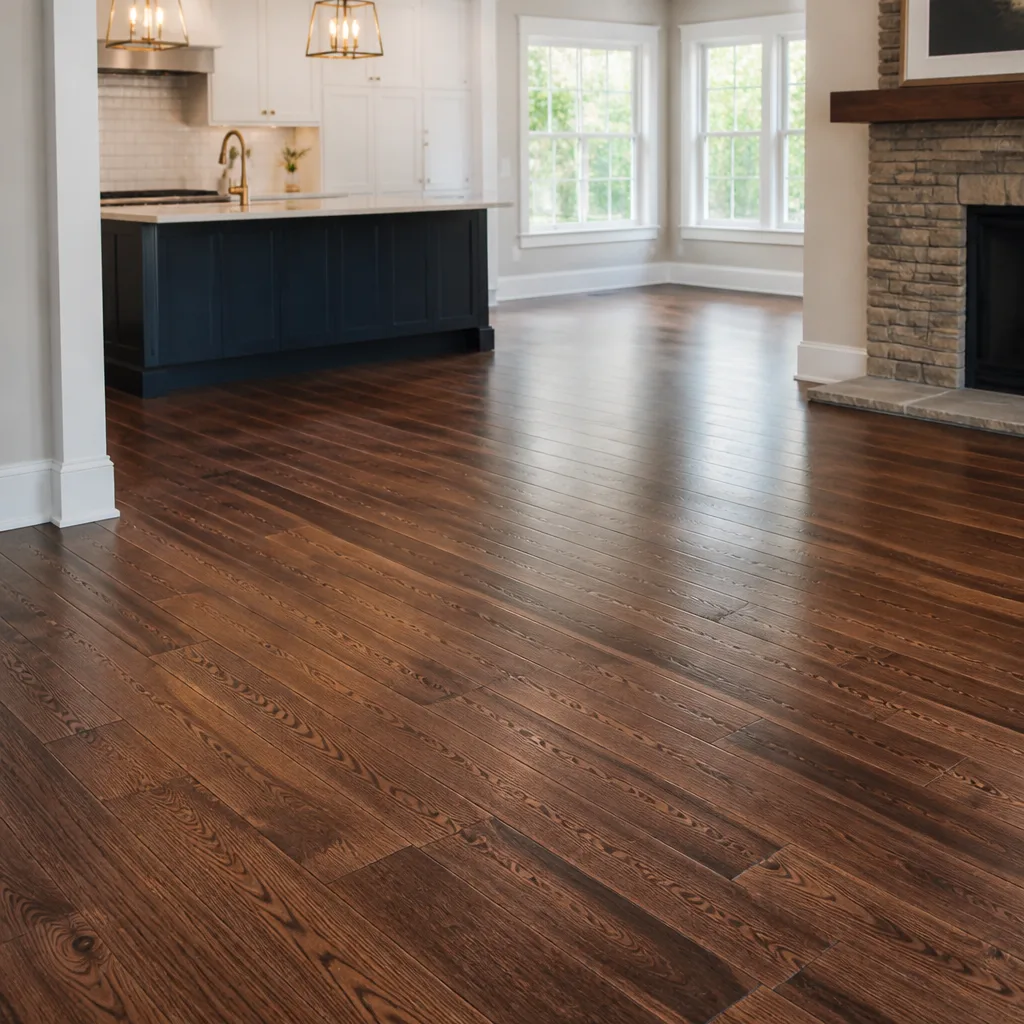 Engineered hardwood
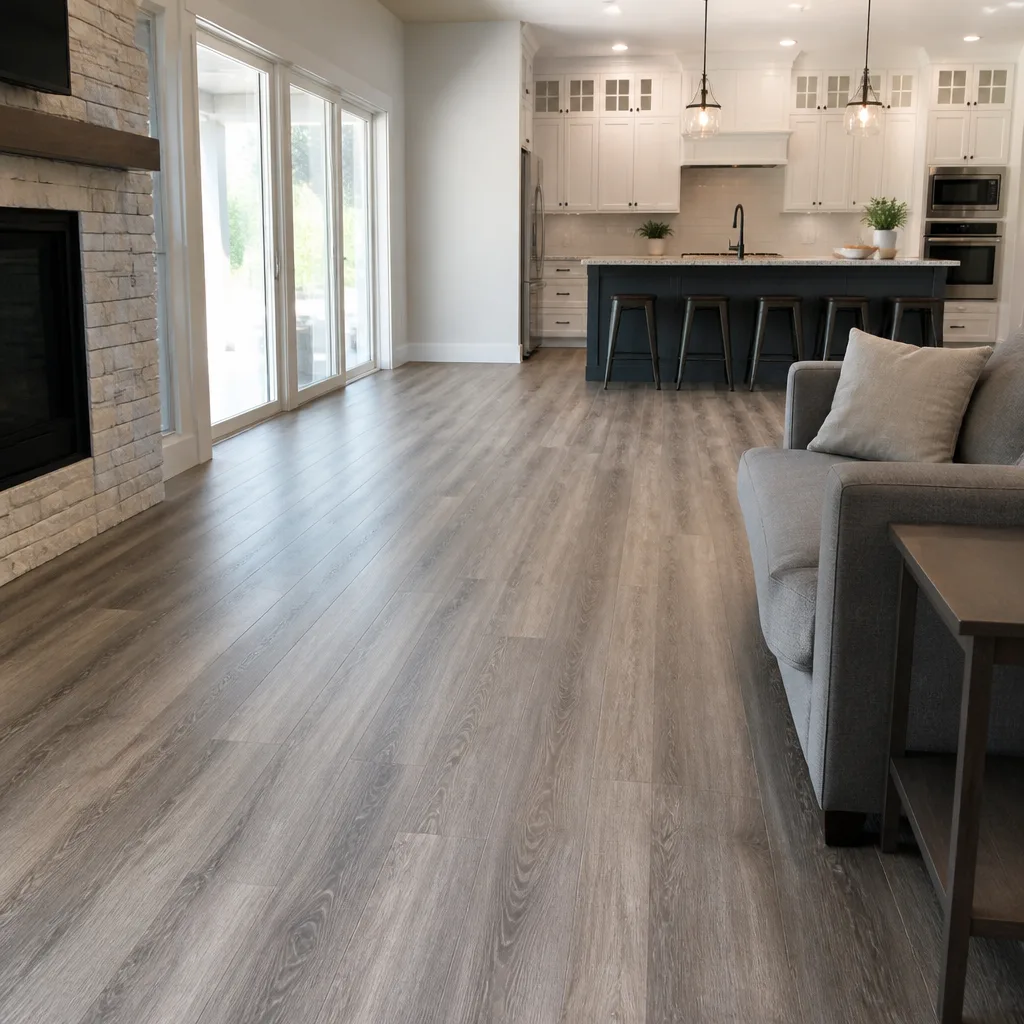 Luxury vinyl plank
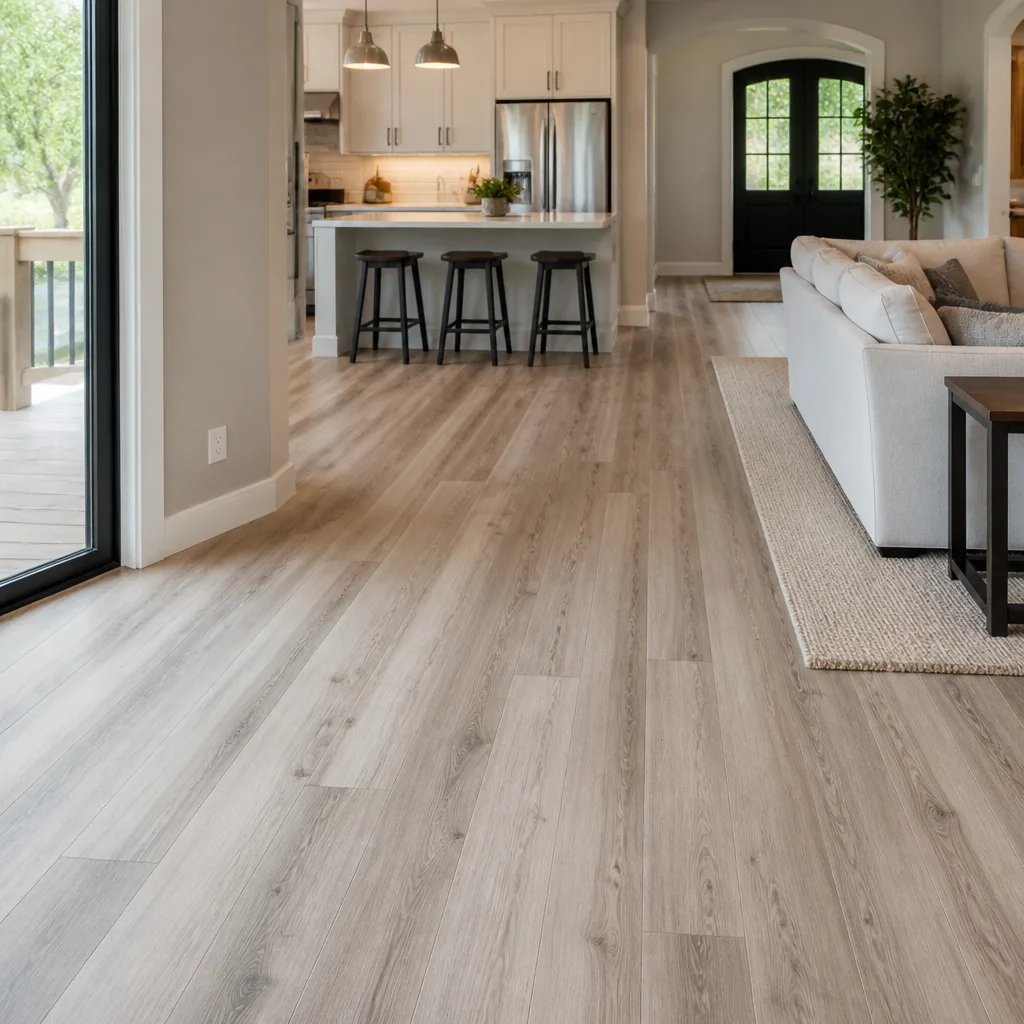 Laminate
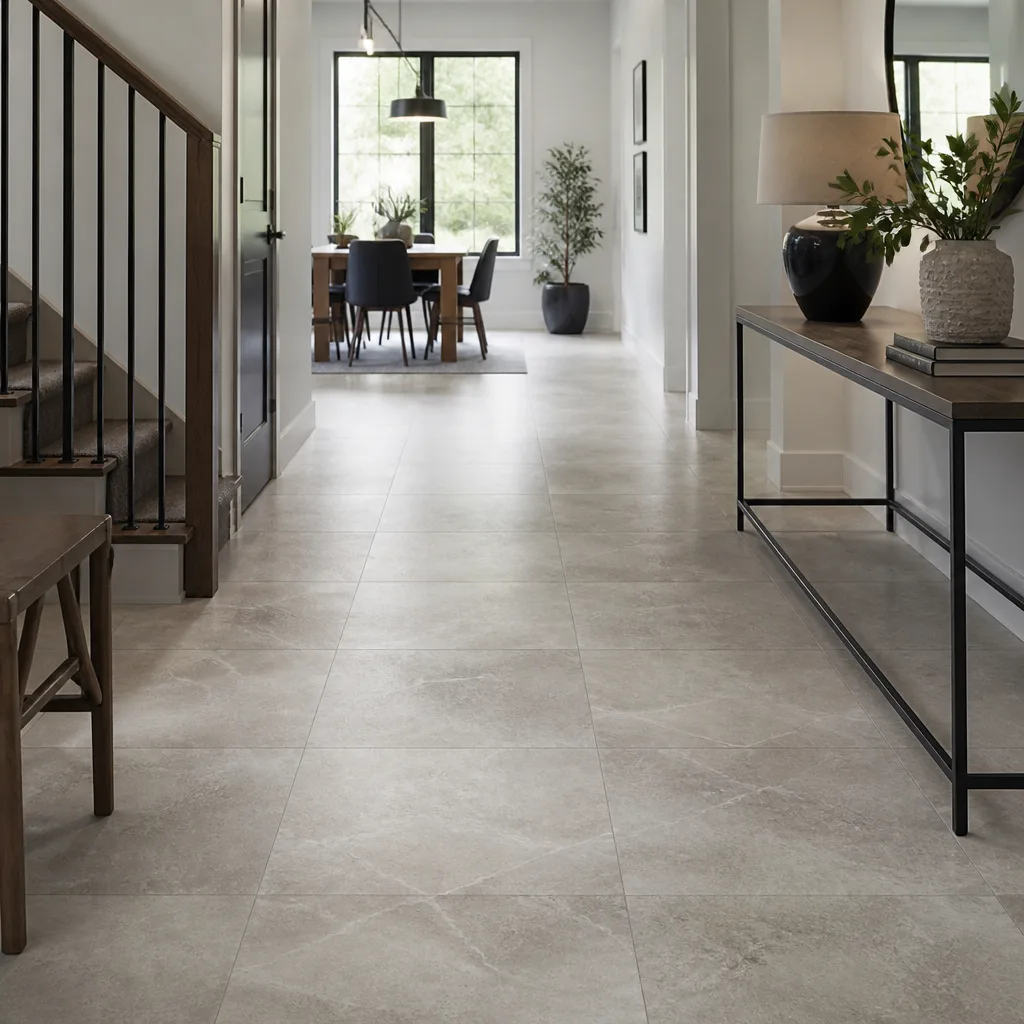 Porcelain tile
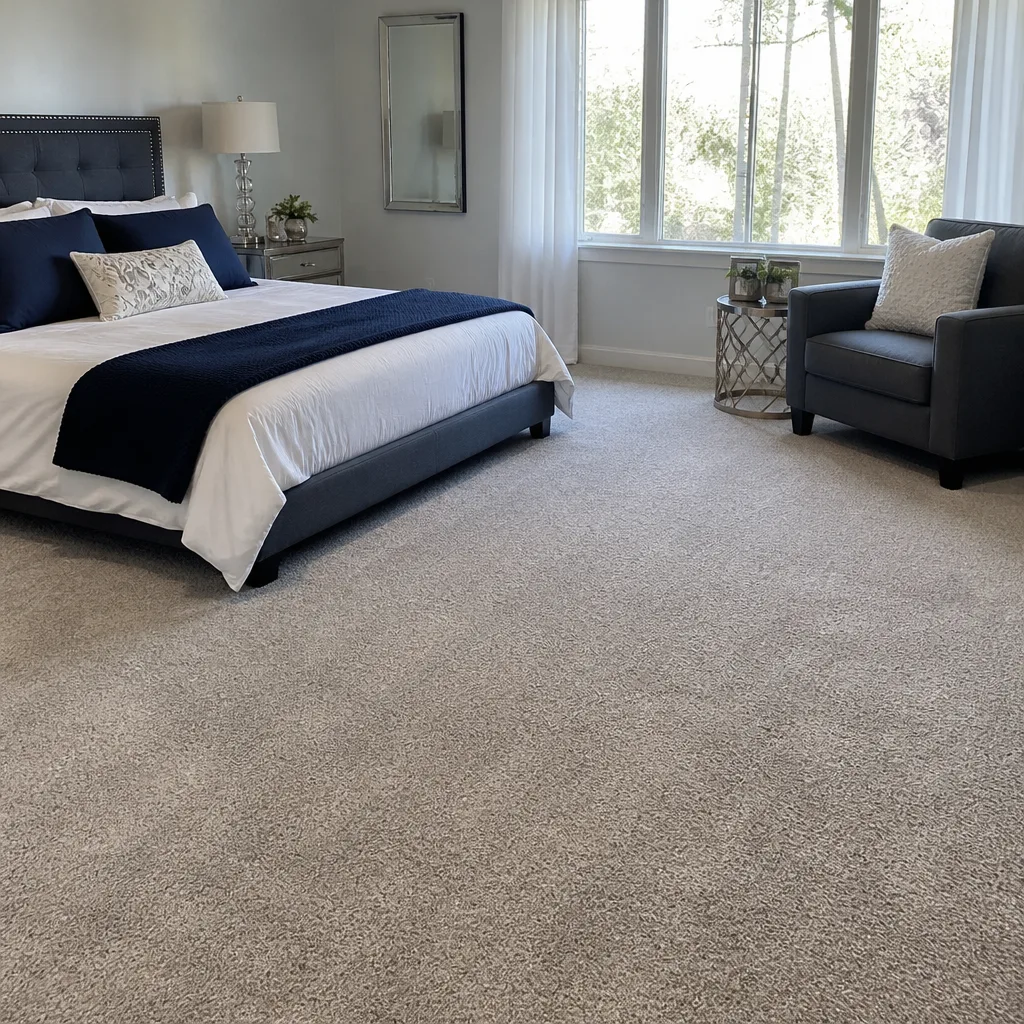 Carpet
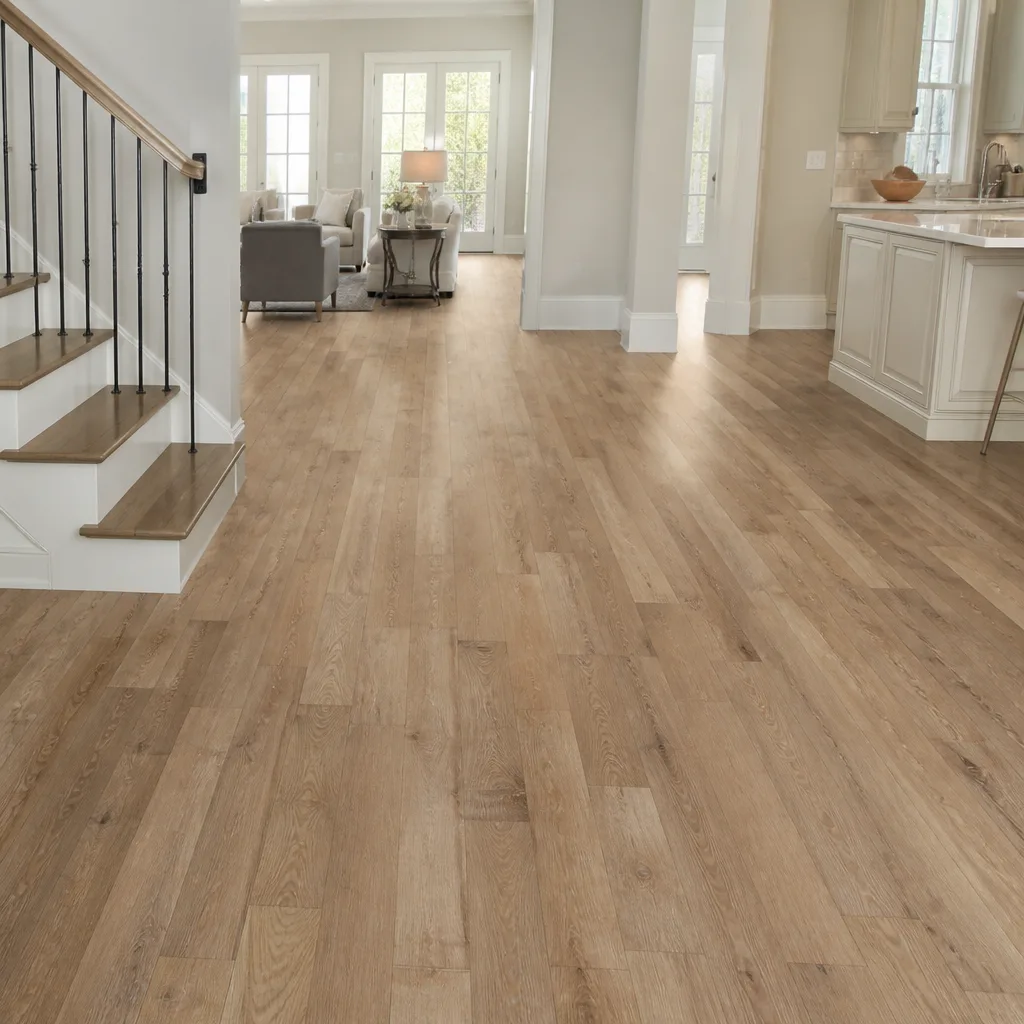 Shaw
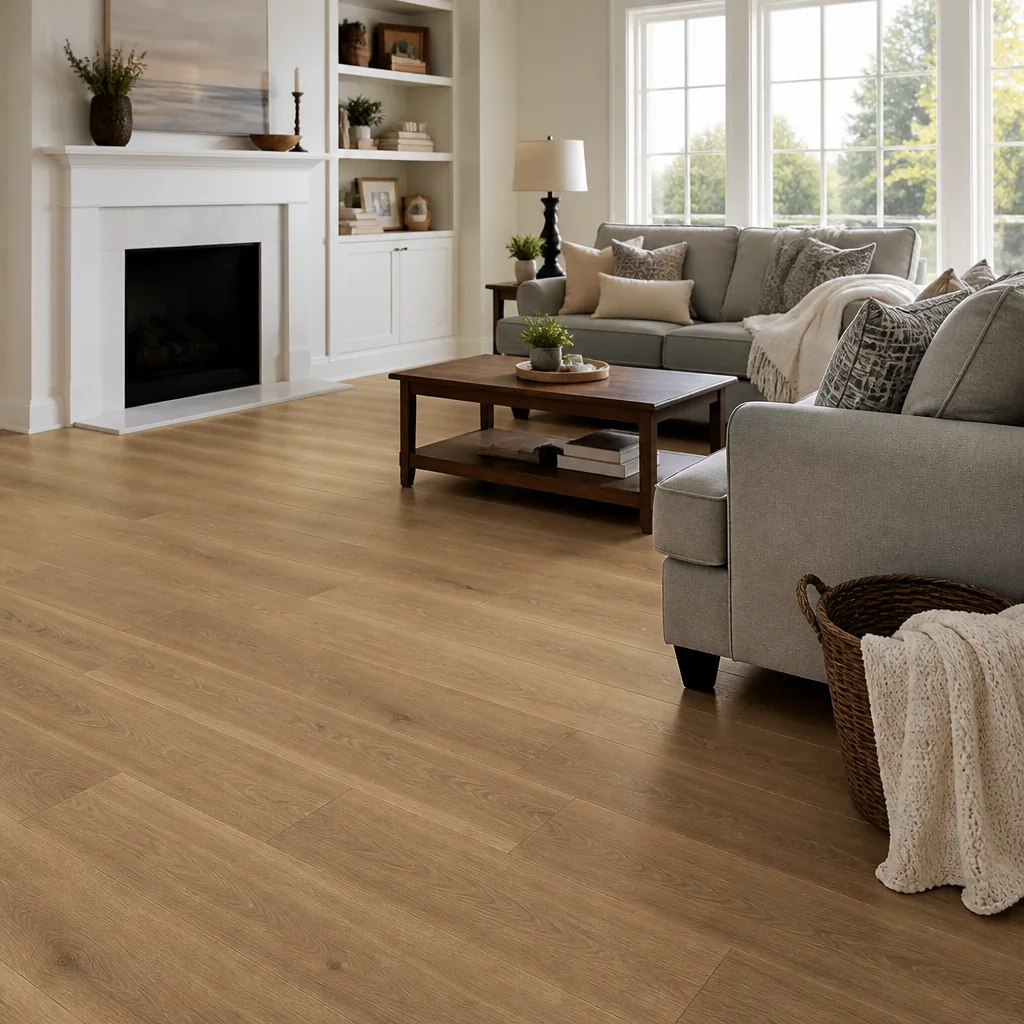 Mohawk
 COREtec
 Pergo
Free in-home measure and written estimate: Shaw, Mohawk, COREtec and Pergo lines compared on your own rooms, with carpet, tile, vinyl plank, laminate and hardwood laid out side by side
Get your free estimateHow Whitney’s Climate Can Affect Your Flooring Choice
Solid hardwood can gap by nearly 1/8 inch per plank when relative humidity swings 20 points. Whitney sees that kind of swing seasonally, with no flooding and no leaks involved. That surprises people who assume wood only fails when it gets wet. Here it fails when it dries out, then swells when the air comes back. Low desert humidity, not heat alone, decides which floors hold together in Whitney and which ones cup, gap, or buckle within a couple of seasons. In this guide we’ll explain how temperature and humidity work on each flooring category, what to look for on a spec sheet before you buy, and which products actually suit a home here. You’ll finish knowing how to narrow the field before you ever look at a sample.
Quick Answer
The best flooring for the Whitney, NV climate is luxury vinyl plank, porcelain tile, or engineered hardwood with a thick wear layer, because these products are built to handle wide temperature swings and very low humidity. Solid hardwood is usually a poor first choice here unless the home holds steady indoor humidity year-round. On slab-on-grade foundations, moisture vapor coming up through the concrete matters as much as the dry air above it, so subfloor testing and the right underlayment come before product selection.
Styles & brands we work with
- Hardwood
- Engineered hardwood
- Luxury vinyl plank
- Laminate
- Porcelain tile
- Carpet
- Shaw
- Mohawk
- COREtec
- Pergo
Table of Contents
- How Whitney’s Climate Works on a Floor
- Why Wood Moves Here More Than You’d Expect
- Low Humidity: The Real Driver of Flooring Failure
- Dimensional Stability: What to Look For When You Shop
- Slab-On-Grade Homes and Moisture Vapor
- Which Flooring Categories Perform Best in Whitney
- Room-by-Room Choices for a High Desert Home
- Refinish or Replace? A Question Worth Asking First
How Whitney’s Climate Works on a Floor
Whitney sits in a high desert valley with cold winters and hot summers, and a dry air mass over most of the year. Outside, that means a big spread between the coldest nights and the hottest afternoons. Inside, it means your flooring sits between two forces: indoor heating and cooling that push humidity even lower, and a concrete slab that stays colder than the room air in winter and warmer than the room air in summer.
Flooring responds to both. Wood, and to a lesser degree the wood-based core in many engineered products, takes on moisture from the air and gives it off again. When air is dry, planks shrink across their width. When it’s humid, they swell. Whitney’s seasonal humidity range forces that cycle repeatedly, and it happens on every plank in the house at once.
Three local conditions combine to put stress on a floor:
- Seasonal temperature range. Cold winters and hot summers mean heating in one season and air conditioning in the other, and both dry out indoor air in different ways.
- Very low relative humidity. Desert air holds little moisture, and indoor heating pulls it lower still. Wood loses moisture and shrinks.
- Slab-on-grade construction. Many Nevada homes sit directly on concrete, so moisture movement through the slab becomes part of the floor’s environment.
None of these is a defect. They’re just the conditions the floor lives in. The problem comes when a product chosen for how it looks in a showroom gets installed in a home where the air and the slab are working against it. In Whitney, that mismatch is one of the most common reasons a floor underperforms. If you want the wider context on the area and its housing stock, the Whitney page covers it.
What homeowners can control is indoor humidity. A whole-house humidistat on the HVAC system, or even a few well-placed hygrometers, will tell you what your floors are living through. Keeping indoor relative humidity in a moderate band through both seasons is the single best thing you can do for any wood-based floor. Product instructions and your written estimate set the specifics for your house and your product.
Why Wood Moves Here More Than You’d Expect
Wood is hygroscopic, which means it takes on and releases moisture until it reaches equilibrium with the air around it. Every species has a different rate at which it moves, but all wood moves. The question is how much, and whether the floor has room to move without showing it.
That 1/8 inch per plank figure is not a worst case. It’s a realistic outcome when relative humidity swings about 20 points across a season. In a 20-foot-wide room filled with planks, small gaps add up quickly. Run your hand along the floorboards in February and it may feel like one continuous surface. Run it again in July and you’ll catch a fingernail on seams that weren’t there before.
Here’s how the two wood options differ:
- Solid hardwood is one piece of wood, milled thick. It moves as a whole, and it moves a lot, especially across the width of a wide plank. It also can’t tolerate much moisture from below. In a Whitney home with dry winters and a slab underneath, solid hardwood is often the wrong tool for the room.
- Engineered hardwood has a real wood wear layer bonded to a plywood core. The plies are crossed like the layers of plywood, which restrains movement in each direction. That construction is why engineered floors handle swings that would leave solid planks gapping.
Both types still need acclimation to the home before install and both still need indoor humidity managed. But engineered is more forgiving of the sharp seasonal swings a Whitney home sees.
There’s another wrinkle: wood floors installed over a slab on grade pick up moisture from below as well as from the air. A solid plank that’s fine on a plywood subfloor in a mild climate may cup on a desert slab. So the subfloor and the way it’s prepped matter as much as the species. That’s why the product and the conditions should be chosen together, not separately.
For homes that already have a wood floor worth keeping, refinishing can restore a tired surface without replacing the boards. We cover that question further down.
Low Humidity: The Real Driver of Flooring Failure
Most people blame heat. They assume the desert sun bakes a floor until it fails. Heat matters, but low humidity does more damage, and it does it quietly. Desert air holds very little moisture even on a moderate afternoon, and heating that air in winter drops the indoor relative humidity further. Every wood-based floor in the house responds by shrinking slightly.
Shrinkage shows up in ways you don’t notice at first:
- Hairline gaps between planks that open in dry months and close again later.
- Seams in the finish that crack and collect dirt, so they look darker.
- Cupping at the edges if the top dries faster than the core.
- Loose boards near the room’s perimeter where the floor has pulled away from the wall.
In a flood or a leak, you see the water. In low humidity, you see nothing until the gaps appear. That’s why dry air is harder to catch than a leak: it doesn’t make a mess, it just slowly changes the shape of the boards.
Products designed for high-desert conditions handle this. Engineered cores hold their dimensions better because their layers restrain one another. Luxury vinyl planks are made from materials that don’t absorb moisture from the air at all, which is why COREtec, Pergo, and LifeProof show up so often in homes around Whitney. They aren’t affected by low humidity because there’s nothing in the core to dry out.
Porcelain tile is the most dimensionally stable flooring you can install. It’s fired in a kiln to a hard, dense body, and once installed, it doesn’t care what the humidity is. It doesn’t gap, cup, or shrink. For dry-air conditions, that consistency is its real advantage.
What this means in practice: if you want a wood floor and your home is prone to dry winters, plan for a humidity control method along with the floor itself. If you’d rather skip that maintenance concern, a wood-look luxury vinyl or a porcelain tile floor gives you the appearance without the swelling and shrinking. Your written estimate should name the product and the underlayment so there’s no guesswork at install.
Dimensional Stability: What to Look For When You Shop
Dimensional stability is how much a flooring product changes shape when temperature and moisture vary. It’s the single most useful specification for a Whitney home, and it’s the one most people skip because it isn’t printed in big type on the box. Here’s what to check.
- For luxury vinyl, look for a rigid or thickened core. A plank with a solid composite or engineered core resists expansion and contraction much better than a thin, flexible product. Rigid-core LVP is the category that holds up best in a high desert home.
- For engineered hardwood, look at wear layer thickness and ply count. A thicker wear layer can be sanded and refinished later. More plies in the core means more resistance to movement. Both details are on the product data sheet, and the manufacturer sets them, not us.
- Ask how the product performs with humidity swings. Reputable brands publish installation guidance that names a humidity range. Mannington and COREtec both publish detailed guidance in their product literature, and the written estimate should confirm the product fits your home.
- Check the tolerance for slab moisture. If the product is going over concrete, find out how much moisture vapor the manufacturer allows. This is where the subfloor section below connects to the product choice.
- Match the format to the room. Planks run in a direction, and long, wide planks show movement more than short, narrow boards. In a large, dry-air room, a shorter or narrower plank gives the floor more room to breathe without dramatic gaps.
Two rules of thumb for Whitney shopping: skip any product engineered for a mild, humid climate, and ask for the manufacturer’s installation instructions in writing before you order. If a product’s guidance calls for an indoor humidity range that your home can’t hold through the dry months, that product is a mismatch, no matter how it looks on the sample board. These aren’t marketing points. They’re the specifications that decide whether the floor still looks right in a few years.
For a floor where the subfloor is a slab, don’t accept a “we’ll see how it goes” answer. Ask what vapor barrier or underlayment is included and why.
Slab-On-Grade Homes and Moisture Vapor
A slab on grade is a concrete foundation poured directly on the ground. A lot of Nevada homes have one, and it changes the moisture picture entirely. Concrete is porous. Even when it looks bone dry, moisture in the soil below can move up through the slab and into the flooring above. That’s called moisture vapor transmission, and it’s a leading cause of flooring failures, including floor failures in Whitney homes.
The tricky part is that you can’t feel it on the surface. The slab can be dry under a finger at noon and still be passing vapor up over a broad area.
Here’s how to handle a slab before installing a new floor:
- Test the slab. There are two common methods: a calcium chloride test that measures the rate of vapor, and an in-situ relative humidity probe that measures moisture inside the slab. Either one tells the installer what the slab is actually doing.
- Match the underlayment to the result. If the slab tests high, the answer is usually a vapor barrier and an approved underlayment, or a floating floor whose system is designed to permit the right kind of vapor control.
- Choose a floor rated for the slab. Some products permit direct installation over a slab with a specific underlayment. Others don’t. Read the manufacturer’s guidance for your exact product and ask for it in writing.
- Deal with up-front moisture from outside. Proper grading and drainage around the house matter as much as anything inside. Water that pools against the foundation is water that will eventually find the slab.
Tile used to be the safe answer for a slab. A thick mortar bed handles some vapor movement. Today, rigid-core LVP with a proper vapor barrier beneath it performs well over slabs, and that flexibility is one reason it’s a common choice in Whitney.
The point of all this is that the subfloor and the product are one decision. Picking a floor before you know what the slab is doing is the same as picking a roof before you know the pitch. Tile installation over slabs is one of the jobs where getting the substrate right determines how long the floor lasts, and our tile flooring installation work is planned around exactly that.
Which Flooring Categories Perform Best in Whitney
Four categories handle Whitney’s dry air and temperature swings best. Each has strengths and trade-offs, and the right one depends on the room, the subfloor, and how the household uses the space.
Luxury Vinyl Plank and Rigid Core
LVP is made from synthetic materials that don’t absorb moisture from the air, so low humidity doesn’t shrink them. Rigid-core products add a solid composite core for extra resistance to temperature change. COREtec and LifeProof are the brands we’d point you toward first for a water-resistant, dimensionally stable floor in Whitney. Standing water and moisture from below still need to be handled, so a water-resistant floor isn’t a substitute for fixing a wet slab. But for everyday spills and dry-air swings, it’s one of the most forgiving options on the market.
Porcelain Tile
Porcelain is the most dimensionally stable flooring you can buy. It doesn’t absorb moisture, doesn’t expand and contract with humidity, and doesn’t care about seasonal swings. In a Whitney home, that stability is its biggest advantage. It also tolerates slab-on-grade installations well when the substrate is prepped properly. Daltile has porcelain options for both a clean modern look and a more traditional stone appearance, so the choice isn’t limited to one style.
Engineered Hardwood
Engineered hardwood with a thick wear layer gives you a real wood surface with a more stable core. The crossed plies restrain movement, which is why it handles Whitney’s humidity swings far better than solid planks. A thicker wear layer can be refinished later, which extends the floor’s life. That’s a decision that comes down to how much wood sits above the core, and the estimate visit is where we check it.
Carpet
In bedrooms and closets, carpet sidesteps the humidity question entirely. It also adds warmth underfoot during cold winters, and it’s quieter than hard surfaces. Carpet installation is one of our three core services, and it’s a good fit for any room where a hard floor’s seasonal behavior would be more maintenance than it’s worth.
What about the categories that don’t make the list? Solid hardwood, as we’ve said, is often the wrong choice unless the home holds steady humidity year-round. Laminate has improved over the years but still relies on a wood-based core, so check it against the manufacturer’s humidity guidance before you commit. And any floor installed over a slab needs the vapor discussion above, whatever the material.
Room-by-Room Choices for a High Desert Home
Flooring does better when it’s chosen per room rather than per house. Whitney homes deal with the same climate in every room, but each room adds its own moisture, traffic, and temperature profile.
- Kitchen. Spills and steam from cooking push humidity up and down, then the room dries out again. Rigid-core LVP or porcelain tile handles both directions. Tile is the most stable floor for a kitchen with an exterior door to a hot, dry yard.
- Bathrooms. This is the room with the most moisture in the house, even if it isn’t the desert kind. Porcelain tile is the standard here, and proper underlayment and waterproofing matter more than the product itself. Skip wood and skip any plank that isn’t rated for wet rooms.
- Living and family rooms. Large rooms amplify the gap issue because there’s more width for movement to show. Engineered hardwood or a long-plank LVP gives you the appearance without the drama, and a shorter plank limits how visible any gapping becomes.
- Bedrooms. Carpet makes sense here for warmth and quiet. If you’d rather have a hard surface, an LVP that matches the rest of the house keeps the floor consistent underfoot.
- Sunrooms and rooms with large west- or south-facing glass. Solar gain swings the floor’s surface temperature dramatically across the day. Porcelain tile barely moves, which is why it’s a strong choice for a room that heats up in the afternoon and cools down at night.
The single most useful piece of advice for a Whitney home is to pick materials that are stable in both directions: stable against dry air overhead and stable against vapor from below. Rigid-core LVP, porcelain tile, and engineered hardwood with a thick wear layer all clear that bar. Solid wood, unless your home holds steady humidity year-round, usually doesn’t.
Your written estimate should list the product, the underlayment system, and the subfloor prep for each room. That’s the document to hold everyone to. Our Flooring Whitney page is a good place to see the brand lines we work with, and it helps to know the roster up front so you can compare options before the estimate.
Refinish or Replace? A Question Worth Asking First
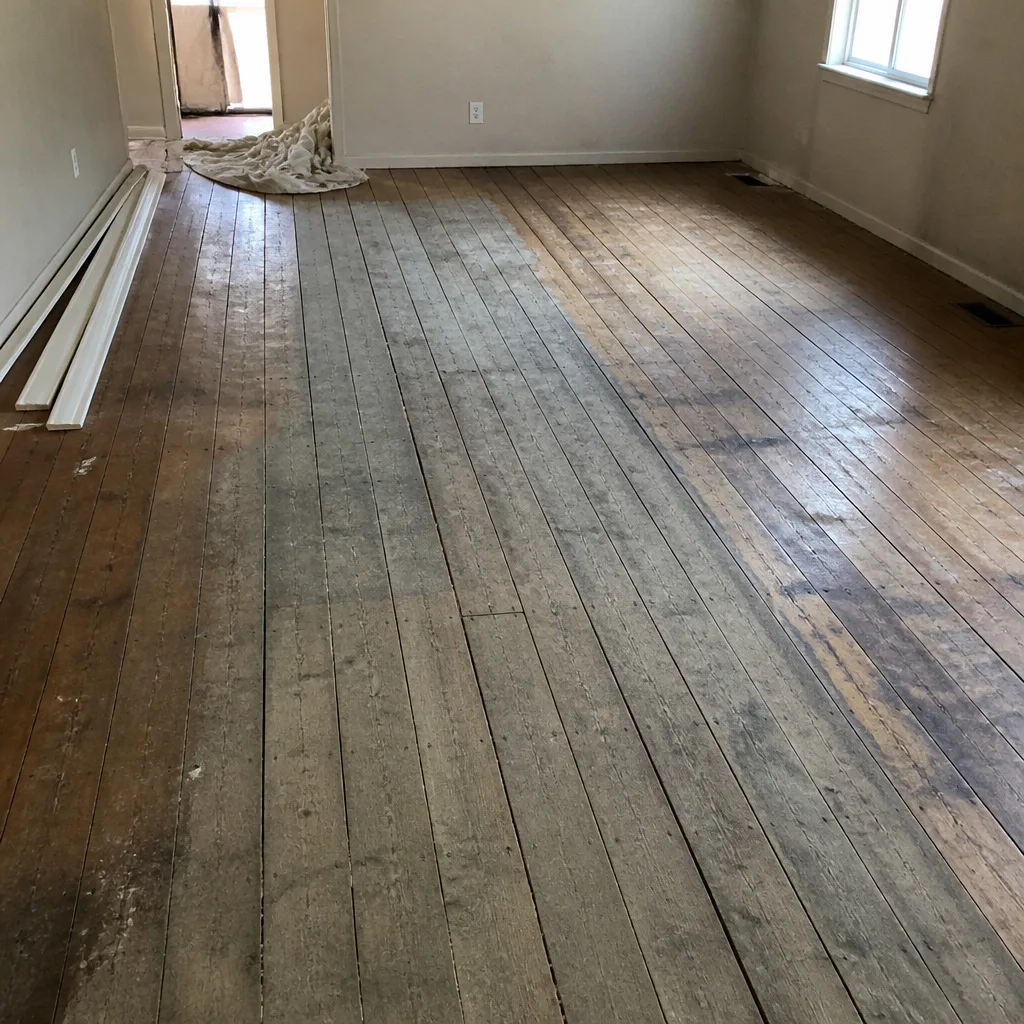
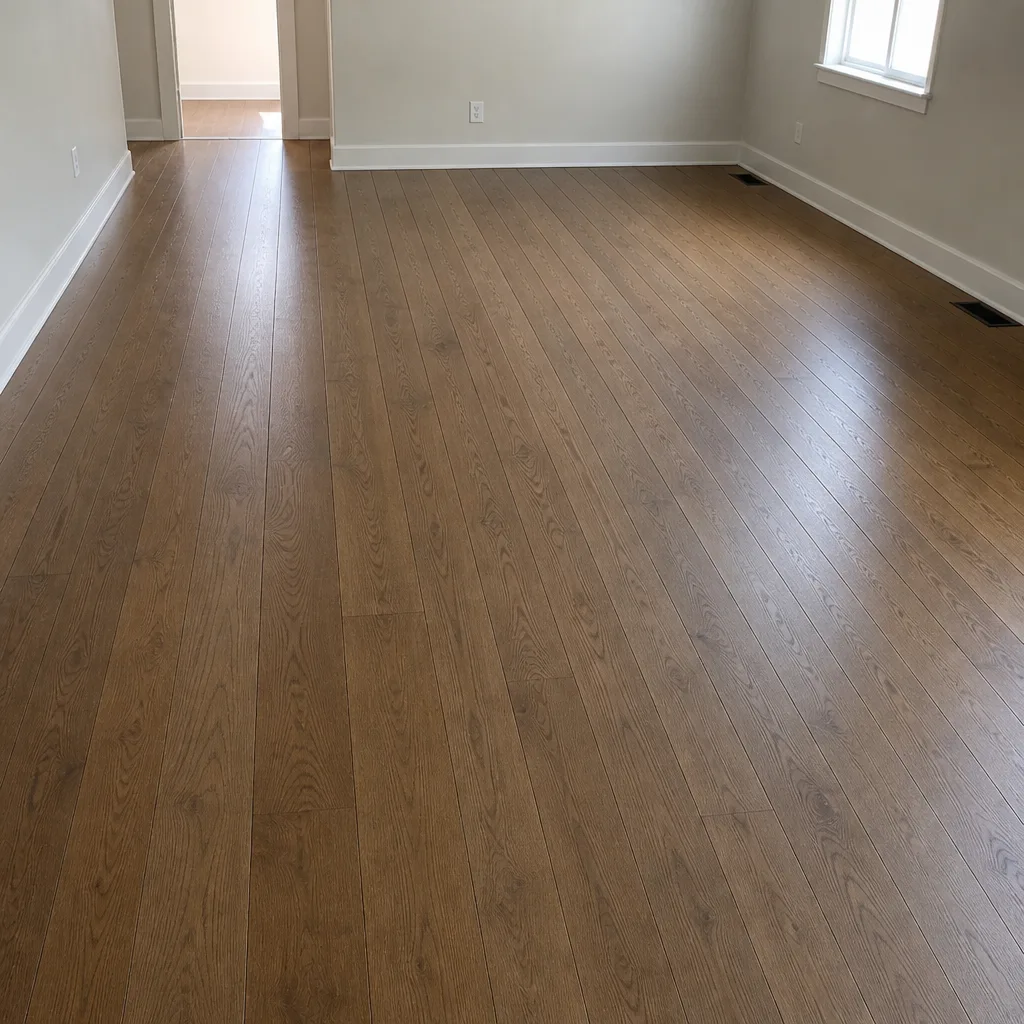
Before you pull up a wood floor, ask whether it can be refinished. Refinishing sands away the worn top surface and applies a new finish, which can restore a floor that’s simply scratched, dull, or dated in color. Most pure-installation shops don’t promote this because their business is replacing floors, but refinished wood usually costs less than a full replacement.
Not every hardwood floor can be refinished, and it depends on two things:
- The thickness of the wood above the tongue. Every sanding pass removes a small amount of material. A floor that’s been sanded several times may have too little left to survive another pass. The estimate visit is where we check.
- Its condition. Water damage, deep gouges, and boards that have cupped badly can be beyond a refinish, or need localized repair first. A few boards can often be swapped before the sanding starts.
Solid wood has the most refinishing potential because the wear layer is the whole plank. Engineered wood can be refinished only if the wear layer is thick enough, and that’s a product-specific question. We won’t promise that any given floor is refinishable until we’ve looked at it. We also won’t promise a stain match to a sample. Wood takes stain based on its species and condition, and a sample board is the closest preview you’ll get before the whole floor is done.
In a Whitney home, refinishing is often the smarter call on floors that have good bones. It also avoids the acclimation and installation cycle entirely, since the floor is already in place and already used to the house. It’s a service most installers don’t run, and it fits the way we think about flooring work: the right floor for how you actually live starts with what you already have.
Common Mistakes to Avoid
- Choosing solid hardwood without considering indoor humidity. In a Whitney home, dry winters pull moisture out of solid planks until the gaps open. If the house can’t hold steady humidity through the dry season, engineered wood or a rigid-core plank is the better tool.
- Skipping the slab test. Installing over concrete without testing for moisture vapor is the fastest way to void a manufacturer’s guidance and end up with a floor that buckles from below. Test first, then choose the floor.
- Buying a product for the look on the sample board. What matters is whether the product’s published humidity and slab-moisture guidance matches your home. Ask for the documentation before you order.
- Ignoring the underlayment. A moisture barrier and the right underlayment are as important as the floor itself over a slab. A premium product on the wrong base can fail anyway.
- Assuming tile is always the safe answer. Porcelain tile is the most dimensionally stable floor you can buy, but a bad substrate prep or a missing crack-isolation layer will find it in a Whitney home. Tile needs the same care in planning.
- Pulling out wood that could be refinished. A floor that’s dull or scratched might have another life after a refinish. Ask the question before the demolition starts.
- Comparing quotes that don’t itemize. A quote that doesn’t list the product, underlayment, and subfloor prep is a quote you can’t compare to any other. Ask for the written line items.
See the difference
 Before
 After
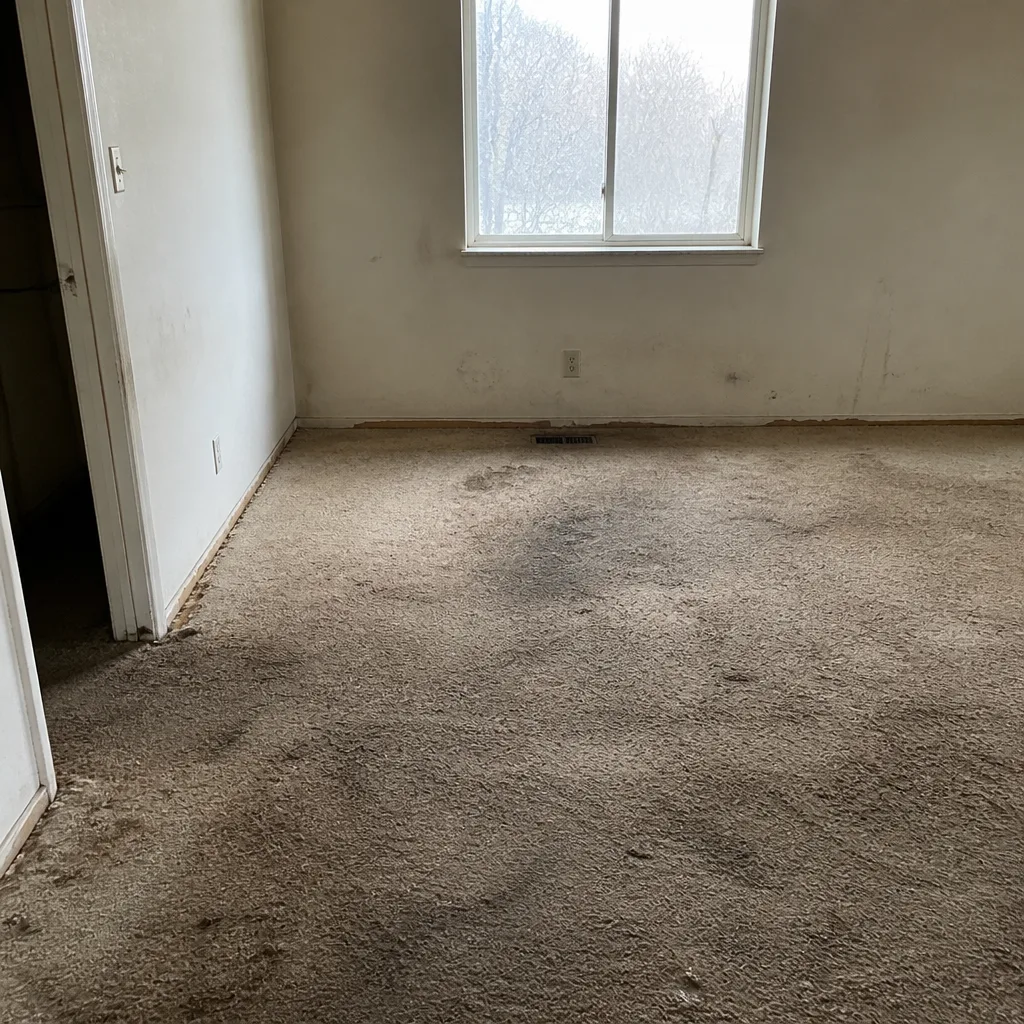 Before
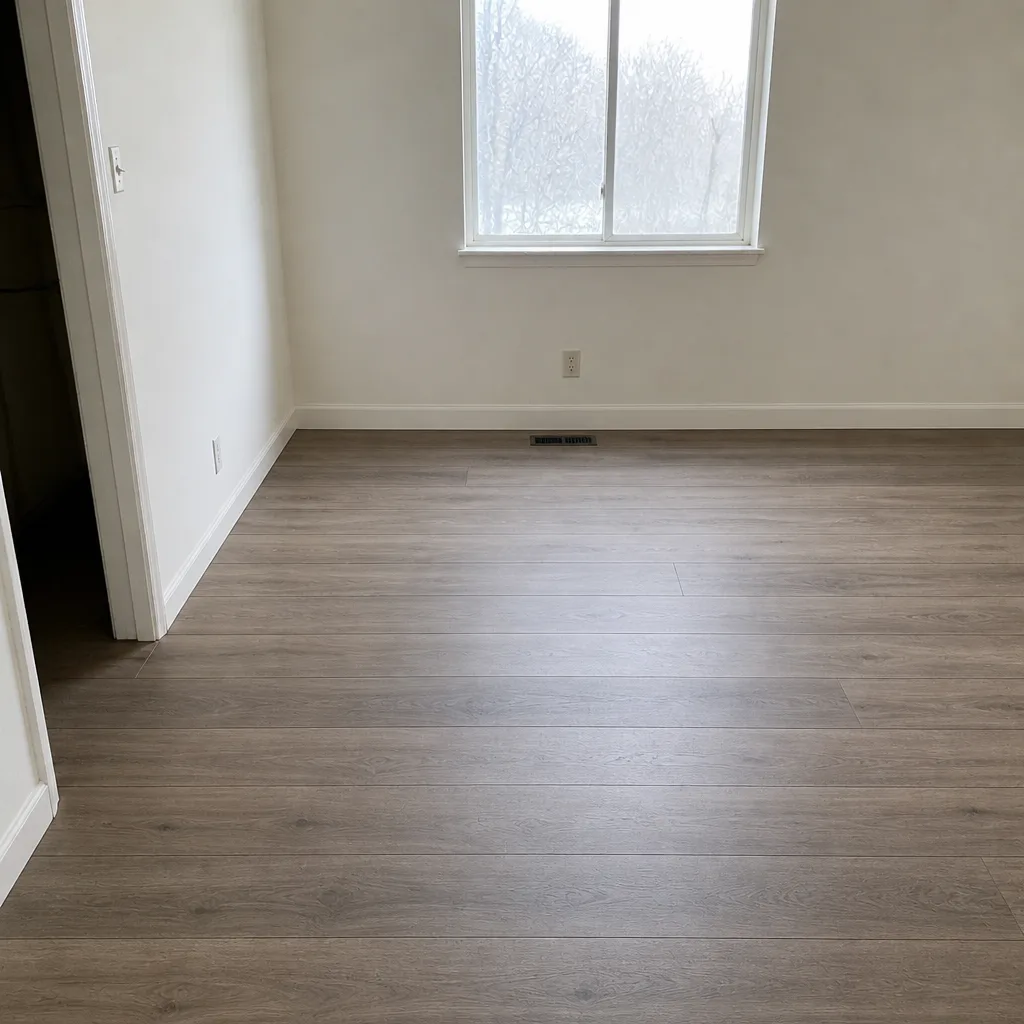 After
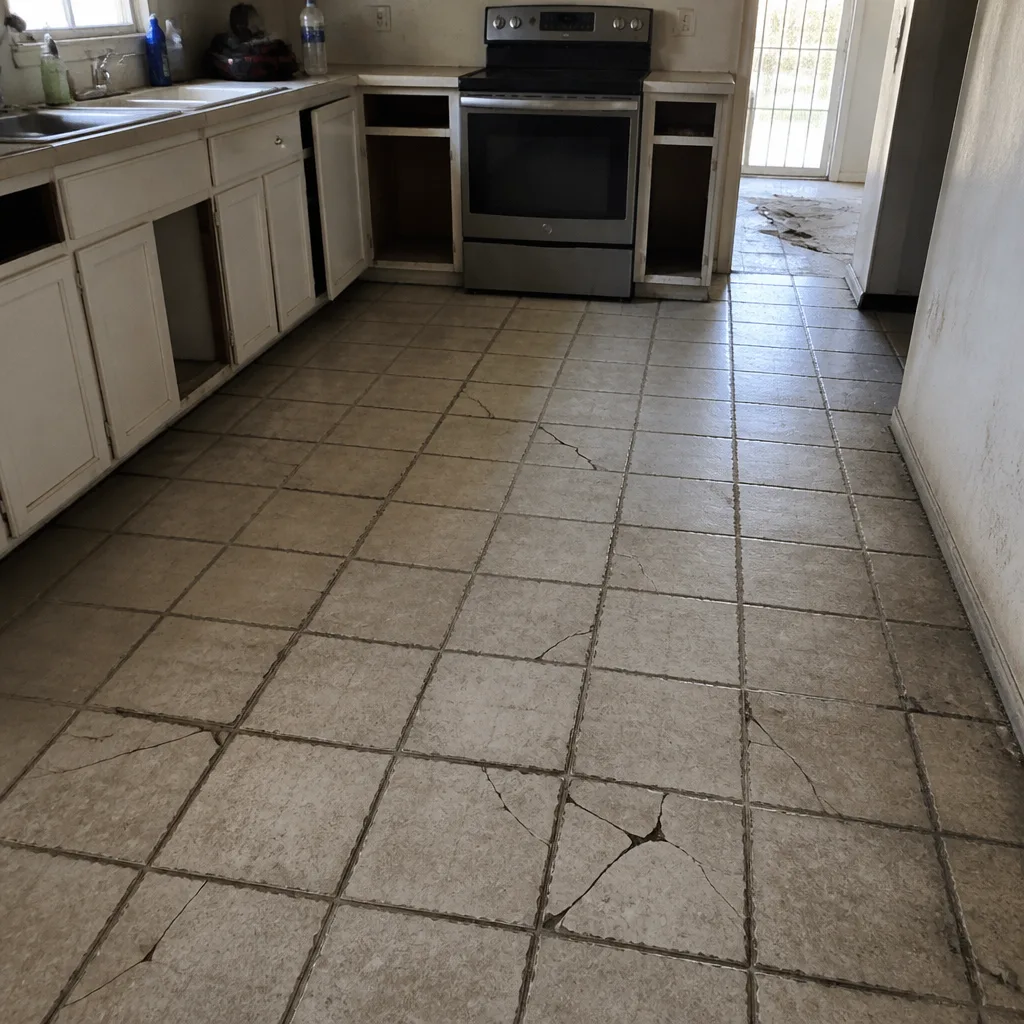 Before
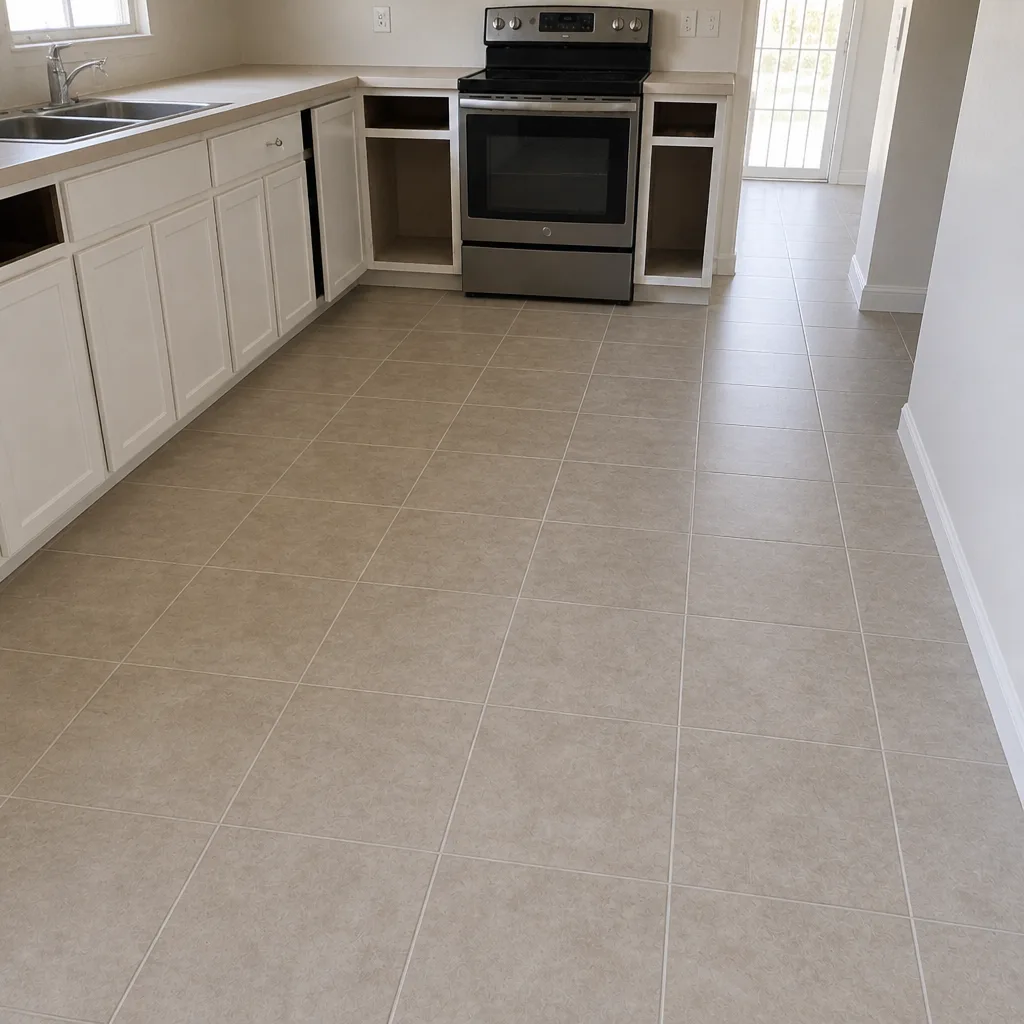 After
When to Call a Professional
You should call us when the floor is gapping, cupping, or buckling and you can’t trace it to a leak; when you’re planning a new floor over a slab on grade and need the moisture question answered before you buy; when you want a hardwood floor refinished but aren’t sure it has enough thickness left; or when an existing floor has failed after a previous install and you want to know why before you spend again. Those are the situations where getting the subfloor and the product decision right early saves real work later. Flooring Whitney provides free estimates in Whitney, and we’ll walk the house, look at the slab, and give you a written price. Call (833) 734-5603. Our technicians have up to 14 years of experience with carpet, tile, and hardwood refinishing. Estimates, written quotes, and upfront pricing come first; the install is a scheduled day booked after the estimate.
Frequently Asked Questions
Yes. Luxury vinyl plank handles Whitney’s low humidity and wide temperature swings well because its synthetic core doesn’t absorb moisture from the air. Rigid-core LVP in particular holds its dimensions through seasonal swings better than wood-based products. It’s water-resistant, though standing water and moisture from below still have to be addressed. Call (833) 734-5603 for an exact quote – estimates are free.
It can, but only in a home that holds steady indoor humidity year-round. In a typical Whitney house with dry winters and a slab underneath, solid hardwood is often the wrong fit, and gapping and cupping are the usual result. Engineered hardwood with a thick wear layer is the more reliable choice. A free estimate is the right moment to talk through the conditions in your home.
Dry air pulls moisture out of the wood, so the planks shrink and small gaps open between them. Cold winters mean heating, and indoor relative humidity drops further once the heat runs. It’s seasonal movement, not a failure, unless the gaps stay or keep widening. We test the home’s conditions before recommending a product that resists that cycle.
You test it, rather than guess. A calcium chloride test or an in-situ relative humidity probe tells you what moisture vapor the slab is passing, and that result decides which products and underlayments are acceptable. There’s no reliable visual check, because the slab can look dry and still pass vapor. Call (833) 734-5603 to set up a free estimate and we’ll include the subfloor question in the visit.
Porcelain tile is the most dimensionally stable flooring available, so it doesn’t cup, gap, or shrink when the air gets dry or the temperature swings. It’s the easier floor to live with in a Whitney home if maintenance is a concern. Engineered hardwood can work if you want wood underfoot. The right pick depends on the room and the subfloor. Call (833) 734-5603 for an exact quote – estimates are free.
Yes. We come to your home, look at the rooms and the subfloor, and give you a written price with the product and underlayment spelled out. The written estimate sets the final price, and the install day is scheduled after that. Call (833) 734-5603 to schedule yours. We answer 24/7. Fast dispatch from 7am to 7pm, Sunday through Friday.
The Bottom Line
Whitney’s high desert climate doesn’t quietly tolerate any flooring you set down. Low humidity pulls wood out of shape, temperature swings push it further, and a slab on grade adds moisture from below. The products that handle all three are rigid-core luxury vinyl plank, porcelain tile, and engineered hardwood with a thick wear layer. Solid hardwood usually belongs in a home that can hold steady indoor humidity, and on a slab it starts at a disadvantage. If you already have a wood floor, ask whether refinishing is possible before you replace it. Get the subfloor tested, get the product guidance in writing, and compare quotes that itemize the product, the underlayment, and the prep. That’s how a floor in Whitney lasts.
Flooring Whitney installs carpet, installs tile, and refinishes hardwood, with nine brand lines to choose from across every price point. If you’re narrowing down options, carpet installation is the place to start for bedrooms and living spaces, and the free estimate is the right moment to bring in your questions. Call (833) 734-5603 to schedule your free estimate. We answer 24/7. Fast dispatch from 7am to 7pm, Sunday through Friday.
Written by the team at Flooring Whitney.