
Last updated November 17, 2026
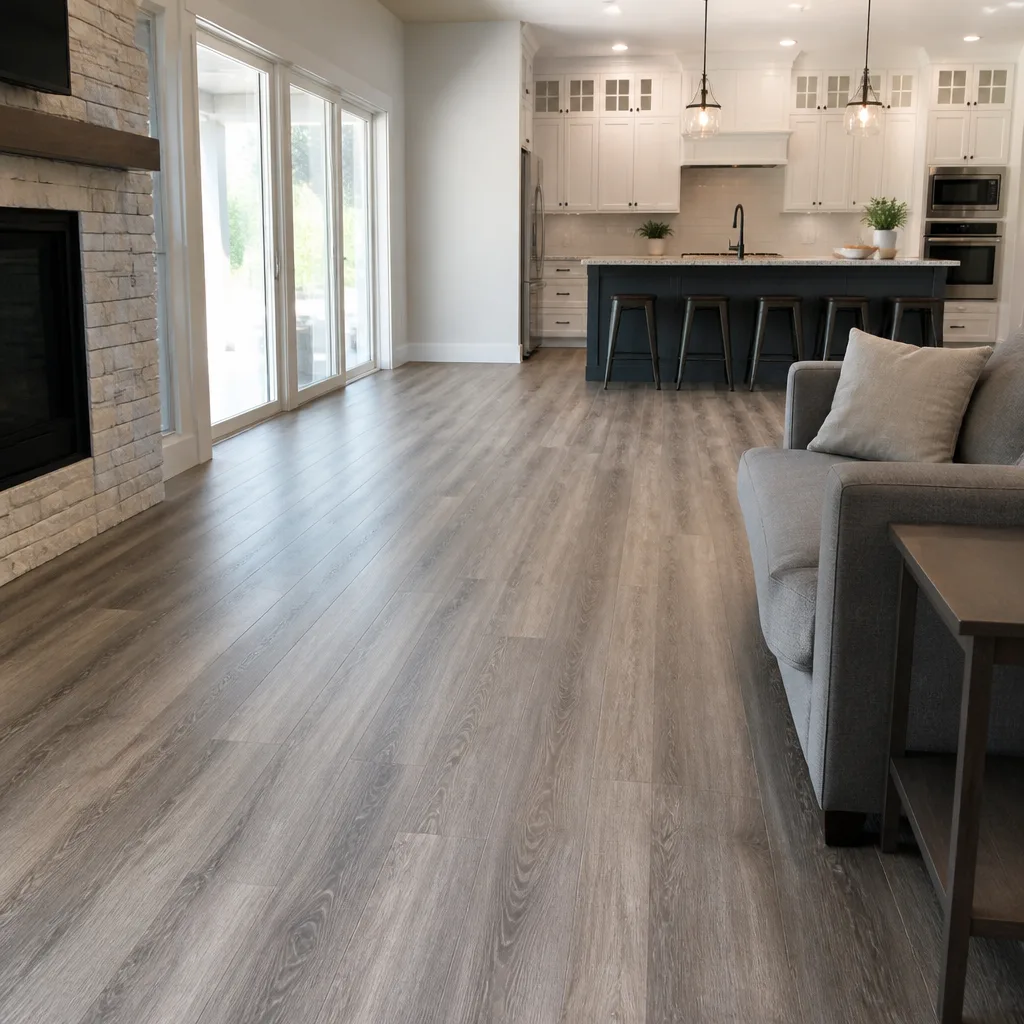 Luxury vinyl plank
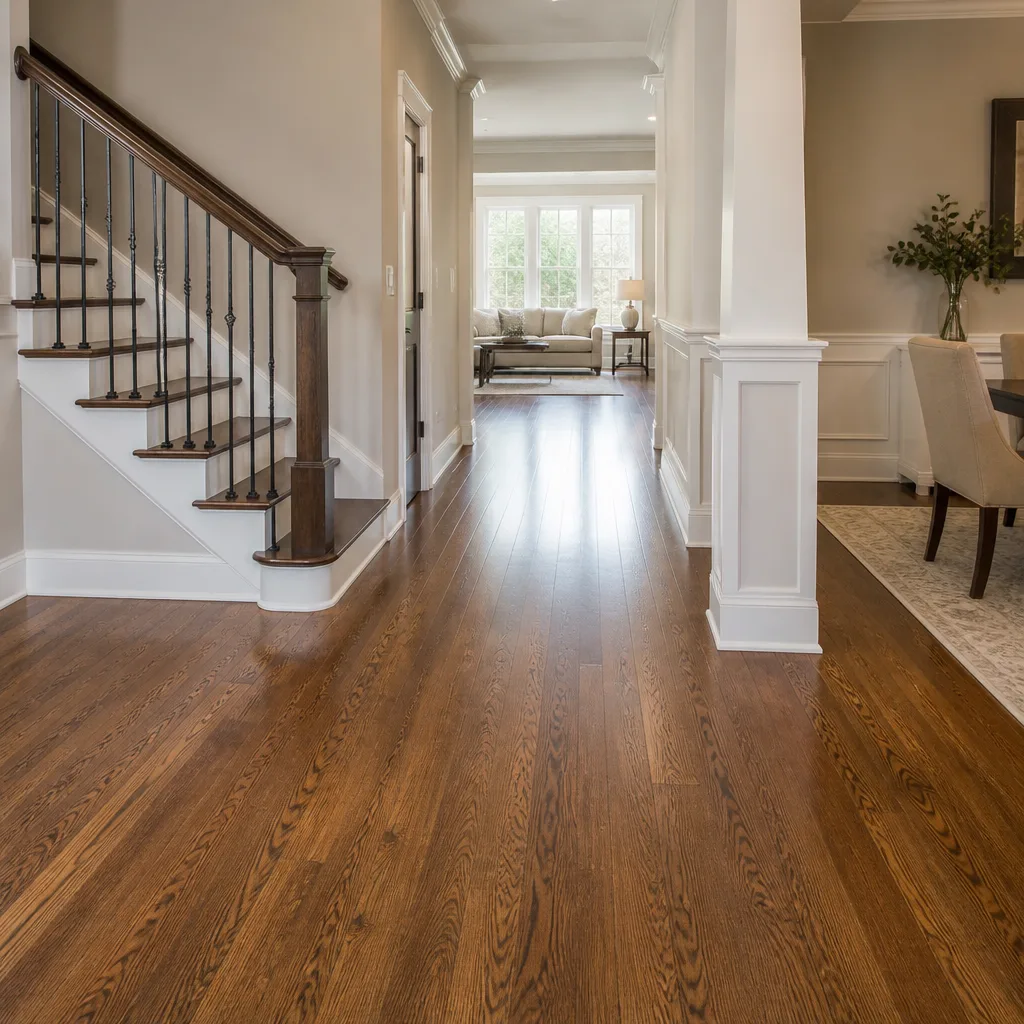 Hardwood
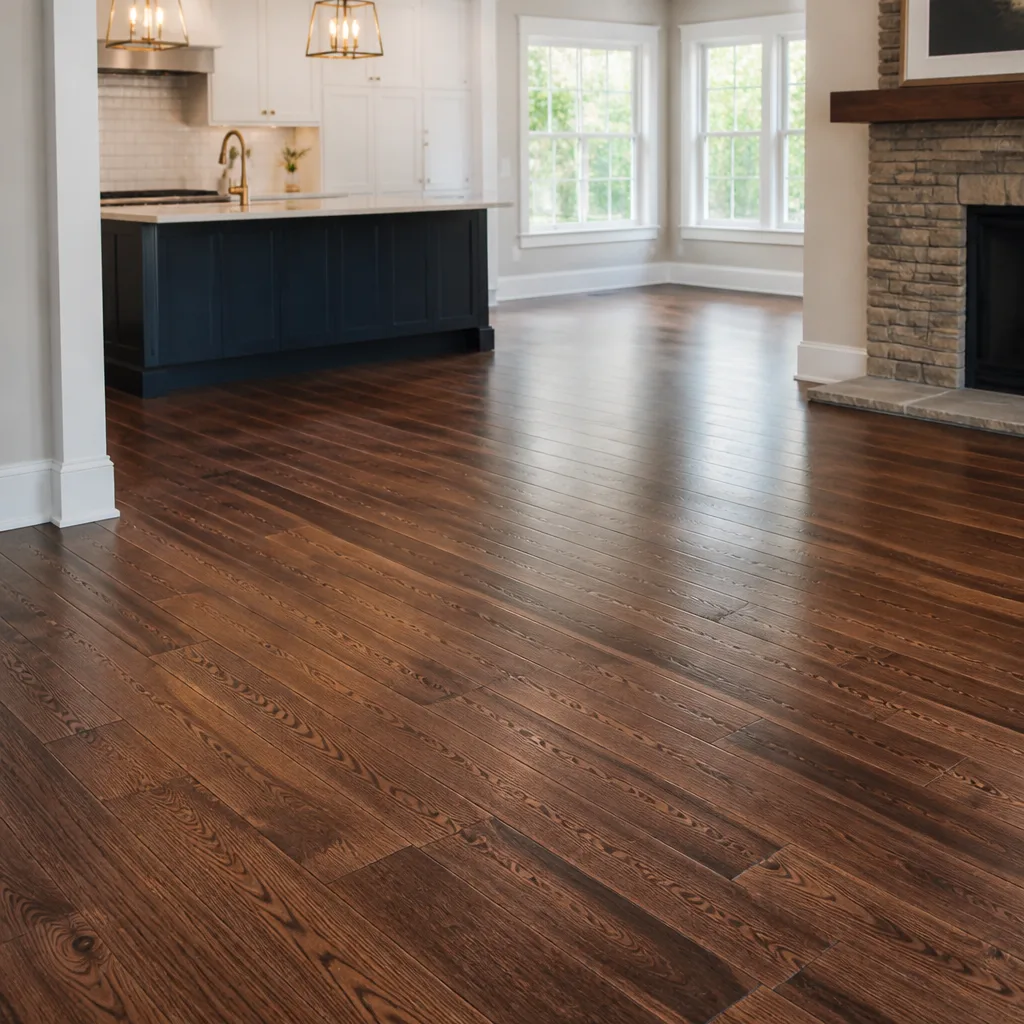 Engineered hardwood
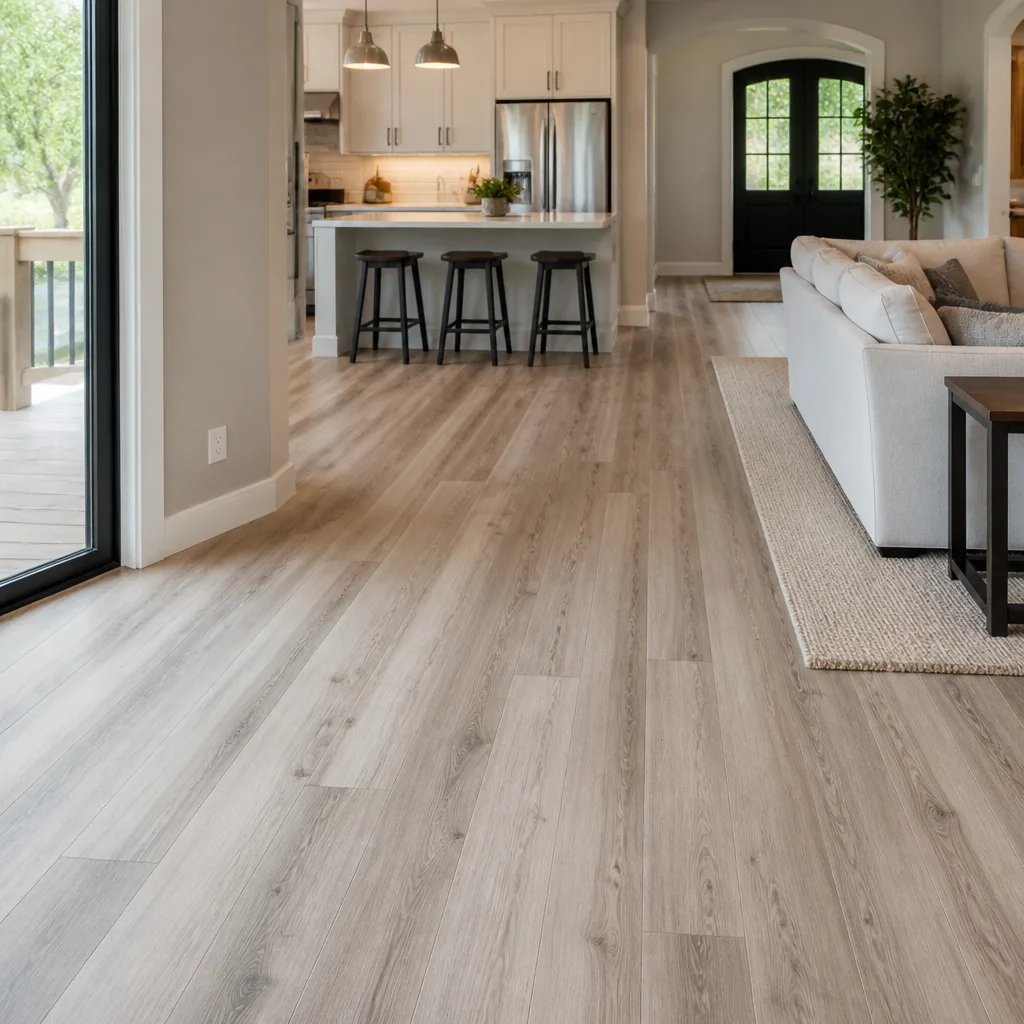 Laminate
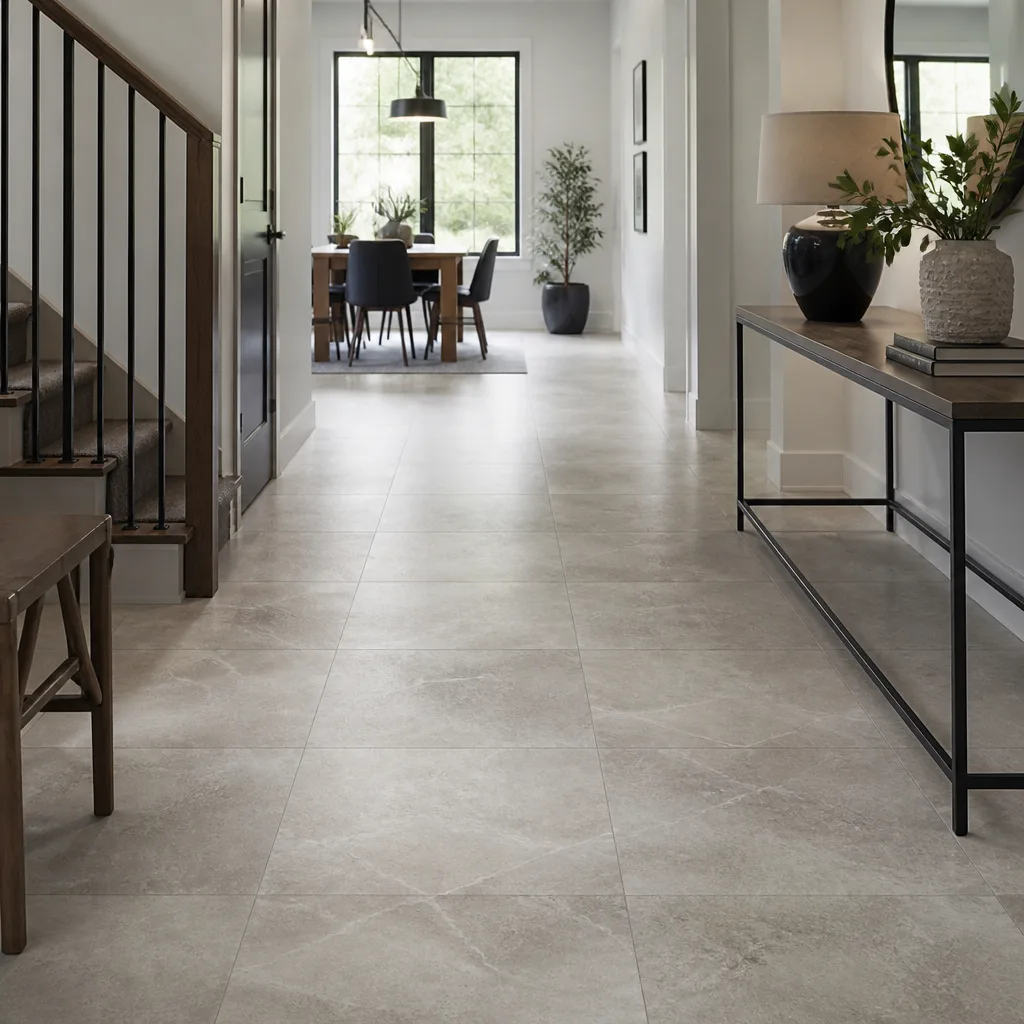 Porcelain tile
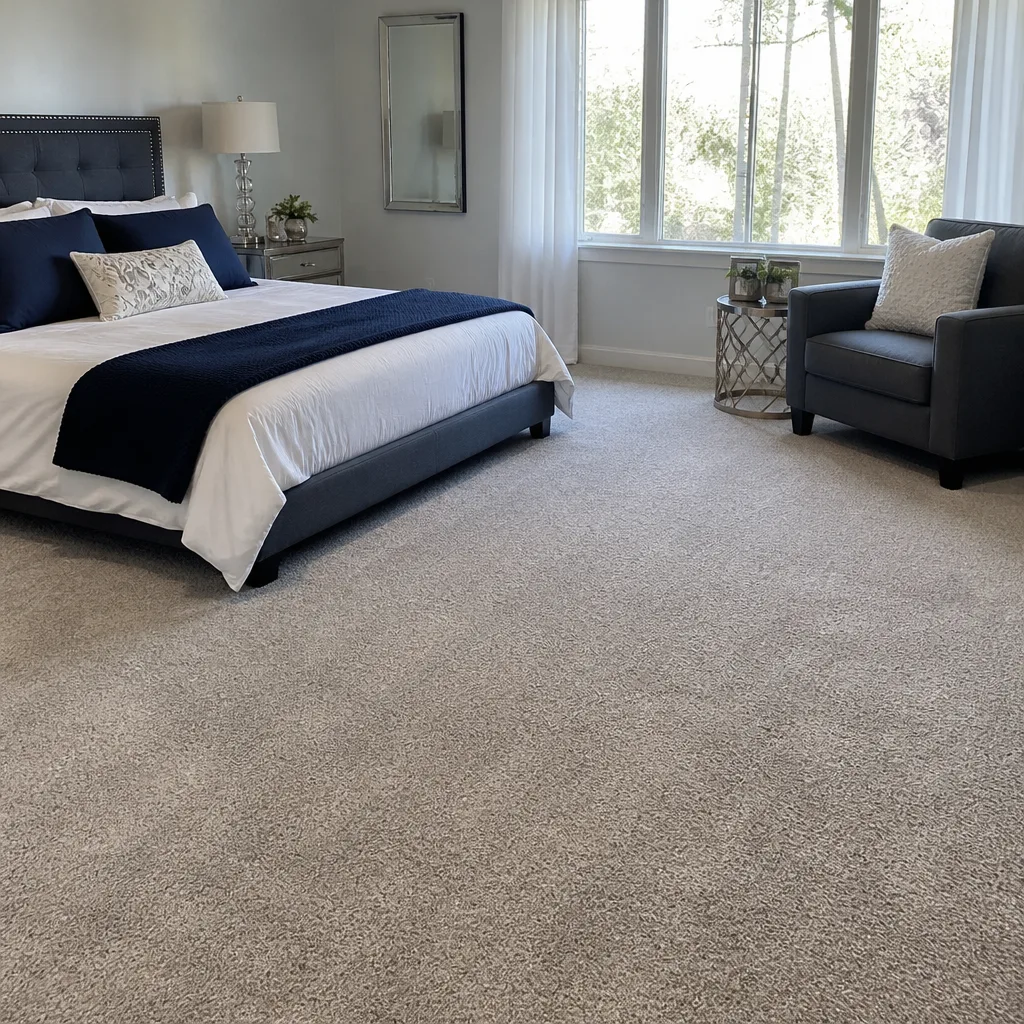 Carpet
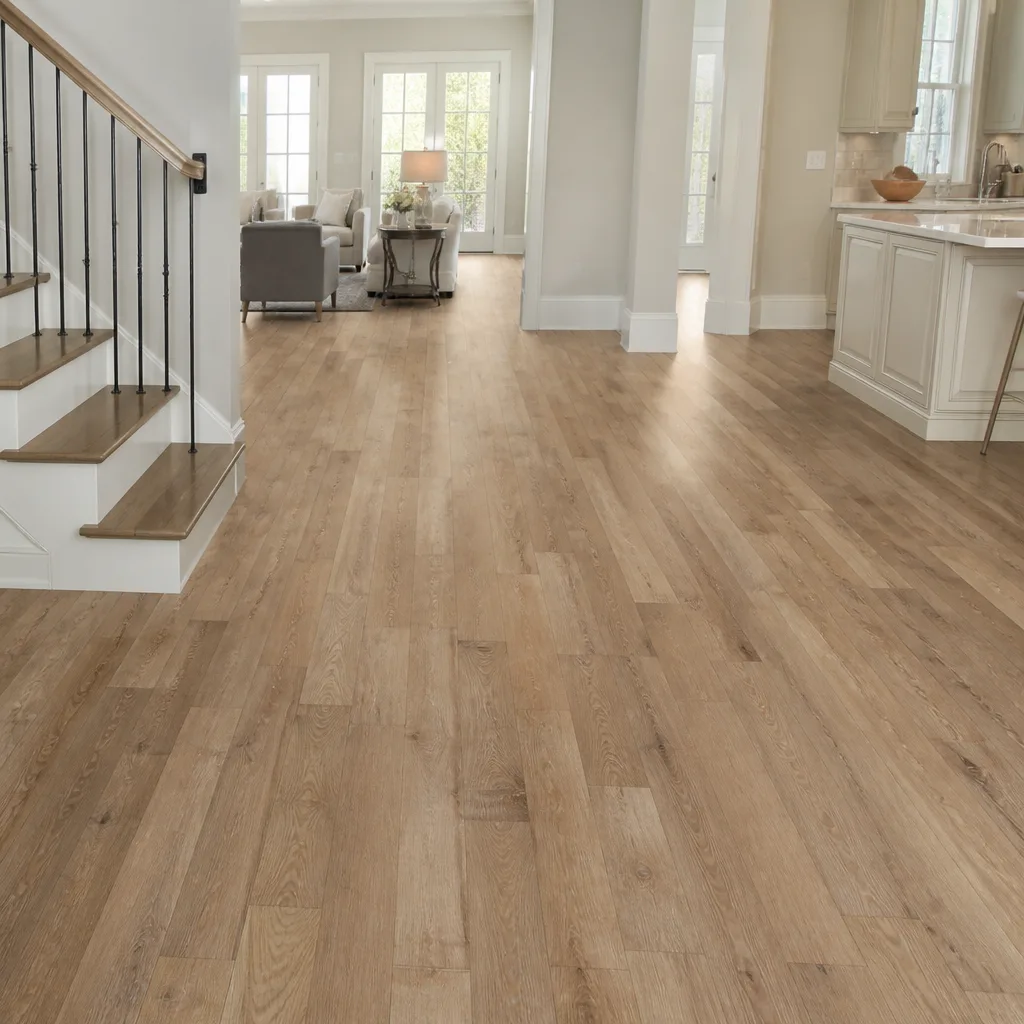 Shaw
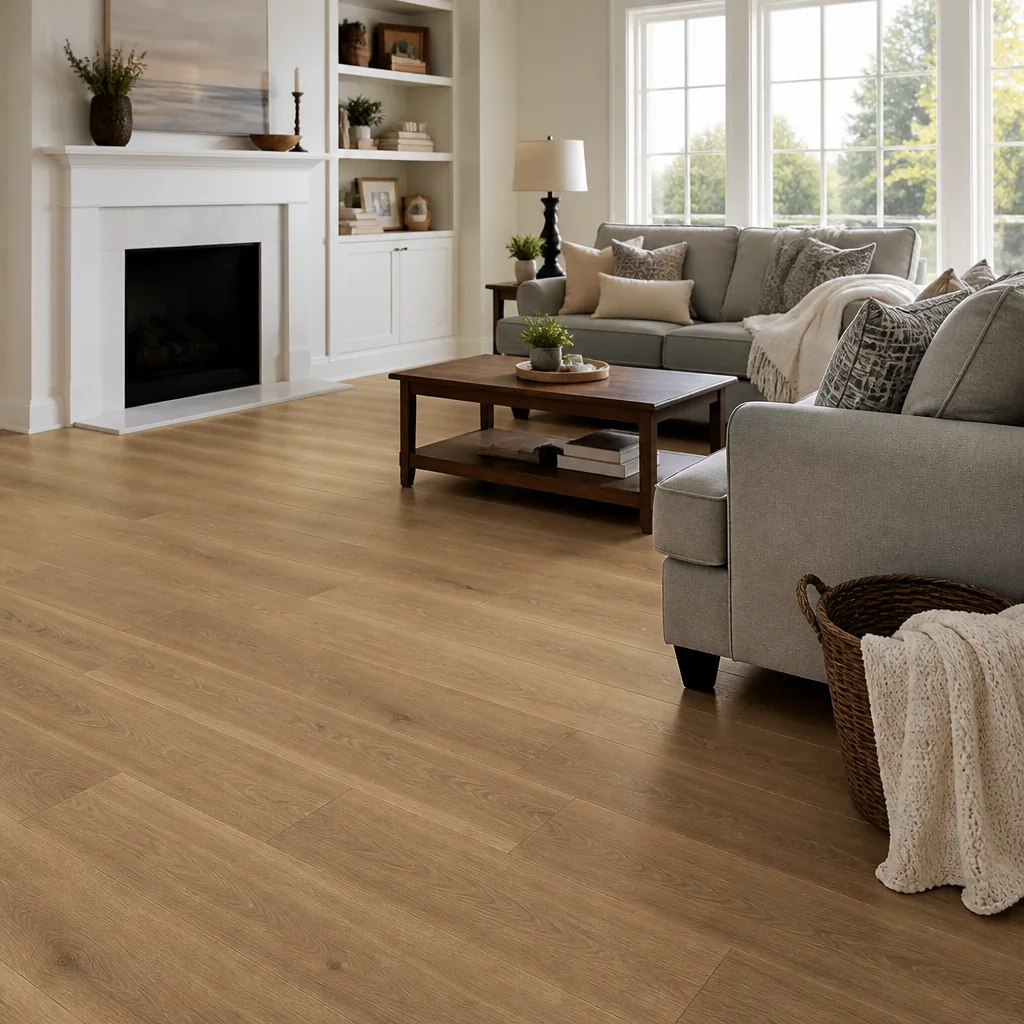 Mohawk
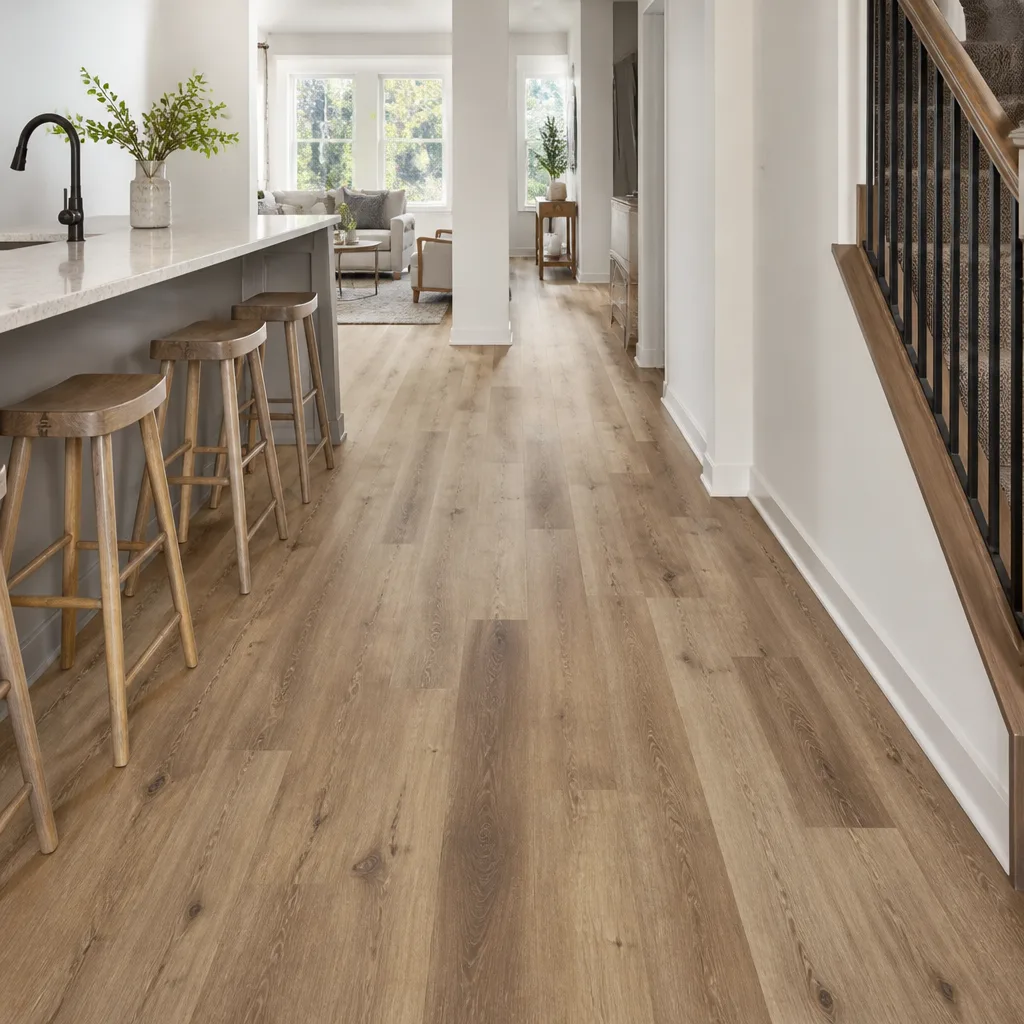 COREtec
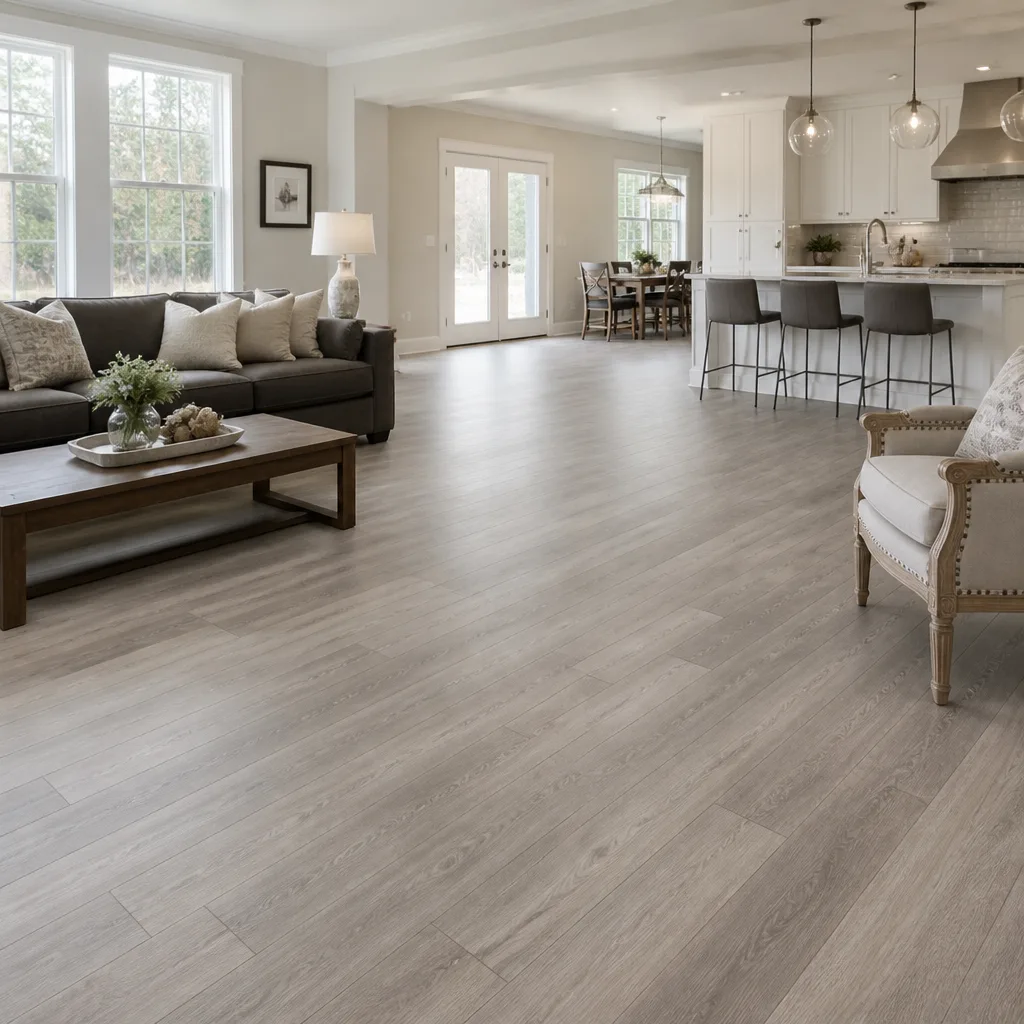 Pergo
Free in-home measure and written estimate: Shaw, Mohawk, COREtec and Pergo lines compared on your own rooms, with carpet, tile, vinyl plank, laminate and hardwood laid out side by side
Get your free estimateHardwood, Vinyl Plank, Laminate or Tile: How Whitney Homeowners Decide
Vinyl plank outsells hardwood in new American homes, and the reason has nothing to do with taste. Most homes being built today sit on slab-on-grade foundations in climates with tight indoor humidity swings, and hardwood does poorly in those conditions unless it’s handled carefully. That’s why the hardwood-versus-vinyl debate gets framed around price when it’s usually about what’s underneath your feet and how long you plan to stay. This guide walks through the decision the way we actually help Whitney homeowners make it: subfloor first, moisture second, tenure third, and only then the material conversation. By the end you’ll know which of the four categories fits your home and your timeline.
Quick Answer
The right floor for a Whitney home is the one that matches your subfloor type, your moisture exposure, and how long you plan to keep the home. On a dry concrete slab with a long tenure, hardwood or engineered hardwood wins because it can be refinished. On a slab with any moisture or a short tenure, vinyl plank is the safer call. Laminate still earns its place in dry, low-traffic rooms. Tile belongs in kitchens, baths, and entryways where water and grit live. Price is the last filter, not the first.
Styles & brands we work with
- Hardwood
- Engineered hardwood
- Luxury vinyl plank
- Laminate
- Porcelain tile
- Carpet
- Shaw
- Mohawk
- COREtec
- Pergo
Table of Contents
- The Decision Matrix: Subfloor, Moisture, and Tenure
- What “Waterproof” Really Means on an LVP Spec Sheet
- Where Laminate Still Makes Sense in 2026
- Hardwood’s Real Value: Refinishability Over Decades
- Tile Is Underused in Dry Nevada Climates
- How Nevada Conditions Change the Calculus
- A Four-Step Process for Choosing Your Floor
- The Brands Behind the Categories
The Decision Matrix: Subfloor, Moisture, and Tenure
Start here. Every flooring decision in a Whitney home reduces to three questions: what’s under the floor, what’s touching it, and how long you’re staying. Answer those honestly and the material shortlist writes itself.
Subfloor type
Three subfloors cover the vast majority of Whitney homes: slab-on-grade concrete, plywood or OSB over a crawl space or basement, and concrete over a post-tension cable system in newer builds. Each behaves differently under a floor. Slab-on-grade concrete wicks moisture from below and transmits temperature changes straight into the floor above it. A wood subfloor over a crawl space moves with seasonal humidity but can be shimmed or leveled during install. Post-tension slabs are usually fine but need to be handled carefully – drilling or nailing into a slab with tensioned cables in it is a job for someone who knows what they’re looking at.
Moisture level
Moisture isn’t about whether your floor ever gets wet. It’s about whether moisture is present under the floor, coming up from below, or moving through the air. In Whitney, the moisture story is different from what homeowners in humid climates deal with: indoor relative humidity swings a lot through the year, the ground under a slab stays cooler than the air in summer, and a slab can condense moisture on the floor-level surface without any visible sign. That’s why any solid or engineered wood going onto concrete gets a moisture reading first.
Tenure in the home
The single most skipped question. If this is your forever home, hardwood’s ability to be refinished every decade or two matters. If you’re relocating in three years, a refinished floor is a selling feature you’ll never use, and a well-chosen LifeProof or COREtec vinyl plank serves you and the next buyer. If it’s a rental or a flip, the answer shifts again toward durability over prestige. Tenure also affects material choice in a subtler way: a long tenure justifies spending on premium tile, a shorter one usually doesn’t.
The matrix
- Dry slab, long tenure: engineered or solid hardwood, or premium vinyl planks like COREtec for a lower-maintenance path.
- Dry slab, short tenure: vinyl plank. Laminate if the room is dry and traffic is moderate.
- Wet slab or slab with known moisture issues: vinyl plank with the correct underlayment, or tile over a proper substrate.
- Wood subfloor over crawl space, long tenure: hardwood. Engineered wood if you want thinner profile and stability.
- Wood subfloor, short tenure: laminate or vinyl plank; both install quickly and travel well.
This is the conversation we have in nearly every Whitney home before a single price comes up. Whitney spans decades of home construction, and the subfloor you find under the carpet often decides more than any design magazine does.
What “Waterproof” Really Means on an LVP Spec Sheet
Waterproof on a vinyl plank spec sheet means the plank itself won’t swell, warp, or delaminate from surface water. It does not mean your floor is immune to water. That’s the single most misunderstood claim in flooring, and it’s worth ten minutes of your attention because it changes how you should plan a bathroom or kitchen floor.
What the claim covers
- Surface spills and standing water on top of the wear layer, if cleaned up reasonably.
- Plank-to-plank joints that hold water out temporarily when installed correctly.
- Pet accidents cleaned up in a normal window, on planks designed for it.
- The plank itself not swelling, unlike laminate or solid wood.
What the claim does not cover
- Moisture coming up from a slab. A waterproof plank laid on a damp slab traps moisture underneath, where it grows problems. Vapor barriers and moisture readings handle that.
- Water getting behind the floor at a wall, tub, or appliance connection.
- Slow leaks under a dishwasher or behind a refrigerator.
- Subfloor damage. The plank survives; the subfloor may not.
The practical takeaway: waterproof is a real advantage for spills, pets, and busy households, and it’s still not a license to skip moisture testing or ignore a leak. LifeProof and COREtec are the two lines we’re asked about most for high-use homes, and both are genuinely water-resistant at the plank level. The floor underneath still needs the same prep every other floor needs.
Where Laminate Still Makes Sense in 2026
Laminate is the category most often replaced by vinyl plank, and often with good reason. It’s also the category most often dismissed unfairly. Laminate still does well in specific rooms under specific conditions, and a Whitney homeowner who writes it off completely may pay more for a floor they didn’t need.
Where laminate still wins
- Dry rooms with moderate traffic. Bedrooms, dining rooms, home offices. No moisture source, no heavy grit.
- Short-tenure homes. Laminate installations are straightforward and the material cost is lower than hardwood or premium vinyl.
- Over a solid, level wood subfloor. Laminate performs best on a stable base, and second-floor bedrooms over wood subfloor are a reasonable fit.
- Budget-sensitive projects where the room is the point. If you want a floor that looks finished and lives for a decade, laminate does that.
Where vinyl plank has replaced laminate for good
Three things have pushed vinyl plank past laminate in most Whitney homes:
- Humidity tolerance. Laminate swells at the joints when indoor humidity spikes; vinyl plank doesn’t.
- Water exposure on slabs. A laminate floor over a concrete slab in a home that gets humid in summer is a risk. Vinyl plank on the same slab, with a moisture barrier, is a much easier answer.
- Rooms with pets. Laminate can handle an accident that’s cleaned up; vinyl plank handles a week of them without the same concern.
Mannington makes laminate across a wide range, and their vinyl lines fill the same design brief. If you come in asking for laminate, we’ll walk you through both and let you see where the price difference lands. Sometimes laminate is the right call. Sometimes it’s the floor you’d regret in three years.
Hardwood’s Real Value: Refinishability Over Decades
The hardwood pitch is usually about beauty. That undersells the case. Hardwood’s real value in a Whitney home is that a solid or engineered wood floor can be sanded and refinished, sometimes more than once, which resets the wear layer without replacing the floor. That’s a cost structure no other flooring category can match.
What refinishing involves
Refinishing a hardwood floor means sanding the surface down past the old finish and stain, leveling out minor damage, and applying a new finish and color. Done well, the floor comes back without the wear from years of traffic. It also lets a homeowner change the look entirely: a dark 1990s stain becomes a light natural tone, without a new install. Our Flooring Whitney team handles refinishing as one of our three core services, which means we look at an existing hardwood floor first and ask whether it can be saved before we quote a replacement.
What refinishing doesn’t promise
Not every floor can be refinished. The thickness of the wear layer matters, and engineered hardwood only has a limited polishable surface. Condition matters too: a floor that’s been sanded many times, cupped by moisture, or damaged by termites may not tolerate another pass. A stain match to a sample is a target, not a guarantee, because the wood species and the floor’s existing color affect the result. This is why the answer to “can my floor be refinished” comes after an on-site look at the wood thickness and condition, not before.
What hardwood needs from a Whitney home
- Stable indoor humidity through the year, which usually means running the HVAC consistently.
- A subfloor that’s clean, dry, and level, with a moisture reading done first.
- Strategic placement: hardwood in a full bath or a laundry room asks for trouble; hardwood in an entryway is fine if it’s protected.
Hardwood installed and finished well in a Whitney home is a floor that outlives the mortgage. That’s the pitch, and it’s a real one when the conditions fit.
Tile Is Underused in Dry Nevada Climates
Tile has a reputation in some markets as fussy, high-maintenance, and cold. In a dry Nevada climate that reputation is mostly wrong, and tile is quietly the most underrated floor for a Whitney home.
Why tile fits Nevada
- Grout maintenance is less of an issue. Grout demands sealing and eventual re-grouting as it ages – but on a dry floor, the resealing interval is generous, and mold and mildew pressure on grout lines is far lower than in humid markets. A sealed grout line in a Whitney kitchen is happy for a long time.
- Tile doesn’t care about humidity swings. Ceramic and porcelain are inert; they expand and contract predictably across seasons.
- Cool underfoot is a feature, not a bug. In summer, a tile floor in a hallway or entry feels better than anything else you could put down.
- It outlasts everything else on this list. A well-installed tile floor can easily be the same floor you leave in the home years later.
Where tile earns its keep in a Whitney home
- Kitchens, where water and dropped tools are daily events.
- Bathrooms, full stop. A bathroom floor should be tile.
- Entryways, where grit and moisture come in on shoes.
- Laundry and utility rooms, where a slow leak is a real risk.
- Hall paths in high-traffic homes, where the floor takes more foot miles than the bedroom ever will.
Daltile manufactures porcelain and ceramic lines that fit kitchens and entries without looking like a commercial kitchen. Our tile flooring installation work is a core service, so a tile quote gets the same attention to substrate and layout as any other floor we install.
Where tile is a weaker fit
Bedrooms and family rooms rarely want tile. It’s hard underfoot, cold in winter, and noisy. If you love the look of stone in a living room, engineered wood or a good vinyl plank reads warmer and gets the same visual language. A hybrid of tile in the wet rooms and wood or vinyl in the living areas is often the smartest layout in a Whitney home.
How Nevada Conditions Change the Calculus
Flooring choices that work in a humid climate don’t automatically work in southern Nevada, and the reverse is also true. Whitney homes face a specific set of conditions that tilt the categories differently than the national averages suggest.
Indoor humidity swings
Desert air pulls moisture out of everything it touches. In summer, HVAC systems running hard can drop indoor relative humidity well below outdoor levels; in winter, the reverse can happen depending on how the home is heated. Solid hardwood moves with that swing. Engineered hardwood is more stable because the ply layers offset each other. Vinyl plank doesn’t care. Laminate is the most sensitive of the four and the one to watch through a first summer. Whatever you pick, running the HVAC consistently is part of the floor’s maintenance, not just your comfort.
Slab-on-grade foundations
Most Whitney homes built in recent decades sit on a concrete slab. Concrete stays cooler than the air in summer and warmer than the air in winter, and it transmits that temperature into whatever floor sits on top. It also wicks a small amount of moisture up from the soil below. A moisture reading at the estimate visit handles this; a vapor barrier in the right place handles the rest. Slab is not a problem, it’s a condition that gets planned for.
Dust and grit
Desert dust is fine, abrasive, and constant. On a polished wood floor, grit acts like sandpaper under shoes. On tile, it sits on the surface until it’s swept. On resilient flooring it dulls the wear layer faster than the manufacturer’s testing assumes. Mats at entryways, a regular sweep, and a floor that doesn’t scratch easily all matter more here than in wetter parts of the country. This is one reason vinyl plank and tile outlast expectations in Nevada homes that are maintained and fail quickly in homes that aren’t.
Winter sun at low angles
Low winter sun coming through west and south windows hits floors with more intensity than the same sun in summer. On hardwood, that means uneven fading over years unless UV-blocking window treatments are used. On vinyl plank, laminate, and tile, sun exposure has little effect on the material. If you have a large west-facing window in a room you’re re-flooring, this belongs in the conversation.
A Four-Step Process for Choosing Your Floor
This is the sequence we walk Whitney homeowners through. It’s simple, it’s ordered, and it saves money because the wrong floor gets eliminated before anyone gets attached to it.
- Identify the subfloor and check moisture. Concrete or wood, slab-on-grade or over crawl space, dry or damp. A moisture reading on concrete is non-negotiable.
- Name the rooms and the traffic. A bedroom has different needs than a kitchen. Write it down room by room. The same home often wants different floors in different rooms.
- Decide tenure and budget range. How long are you staying, and what does the project need to cost? That filters the material shortlist to two or three candidates.
- Compare brands and get a written estimate. See the actual products, ask about wear layer and warranty, and get the price in writing before you commit.
Most Whitney homeowners land on a mixed-material plan by the end of this process: hardwood or vinyl plank in the main living areas, tile in the wet rooms, and carpet in the bedrooms if that’s the comfort they want. Our carpet installation service rounds that out when bedroom comfort matters more than a hard surface. One trade, three services, one contractor, one written estimate for the whole home.
The Brands Behind the Categories
The brand conversation matters once the material category is decided. Here’s how the lines we work with line up with the categories in this guide.
Hardwood and engineered wood
Shaw and Mohawk both make hardwood and engineered lines that hold up well in Whitney homes, and Armstrong’s wood and engineered range is a solid option when you want a specific species or color. All three companies make a wide span of price points, so the conversation about “which brand” usually resolves into “which line at which price.”
Vinyl plank and luxury vinyl
COREtec, LifeProof, and Karndean are the three lines we’re asked for most. COREtec is the line most homeowners come in naming; it’s known for a waterproof plank with an attached underlayment in many of its products. LifeProof handles water-resistant residential needs well. Karndean has the most design-forward visuals of the three and fits homes where the vinyl plank is meant to look like a premium floor. Pergo and Armstrong carry vinyl ranges too and fill the middle of the price range.
Laminate
Mannington and Mohawk both have substantial laminate ranges. Mannington’s is often the line homeowners gravitate to for warmer tones; Mohawk’s covers a broad range of looks and price points. If laminate is right for your home, either is a reasonable starting point.
Tile
Daltile porcelain and ceramic lines are the most-requested tile brands in Whitney homes, and they cover everything from a basic subway to large-format porcelain that reads like stone. For a kitchen or bathroom, Daltile porcelain is a floor that will still be doing its job when other floors have been replaced.
What we actually do
We’re a Flooring Whitney specialist with three services – carpet installation, tile flooring installation, and hardwood floor refinishing – across nine brands. That means the brand conversation stays in one place, the measurements are done by people who work on floors every day, and the written estimate comes from the same contractor installing the floor. Our technicians have up to 14 years of experience, and the work spans new installs and refinishing of floors that have been in Whitney homes for years.
Common Mistakes to Avoid
- Choosing the material before checking the subfloor. Picking a floor in your head before anyone has looked at the concrete or wood underneath is how homeowners end up with a hardwood floor that fails on a damp slab. The subfloor decides more than the design does.
- Treating “waterproof” as a get-out-of-moisture-free card. Waterproof vinyl planks still care about moisture coming up from below. Skipping the moisture reading because the plank is waterproof is the most expensive shortcut we see.
- Ignoring tenure in the home. Paying hardwood money for a floor you’ll sell in three years is a premium you’ll never feel. Paying laminate money for a forever home and replacing it in ten years often costs more than the premium would have.
- Forgetting the desert dust factor. In a Whitney home, entryway grit will dull a floor faster than it would in a humid climate. Mats and a regular sweep matter. Skipping both is what turns a ten-year floor into a six-year one.
- Putting hardwood in the bathroom or laundry room. Even engineered hardwood in a full bathroom is asking for trouble. Tile and vinyl are the floors for wet rooms.
- Picking a stain color without comparing it to the room’s light. Winter light in Whitney hits floors harder and more directly than summer light does. Bring a stained sample into the actual room before you commit to a refinish color.
- Skipping the on-site estimate. A phone quote that hasn’t looked at the subfloor or measured the room is a guess. The written estimate after a proper assessment is the number that holds.
See the difference
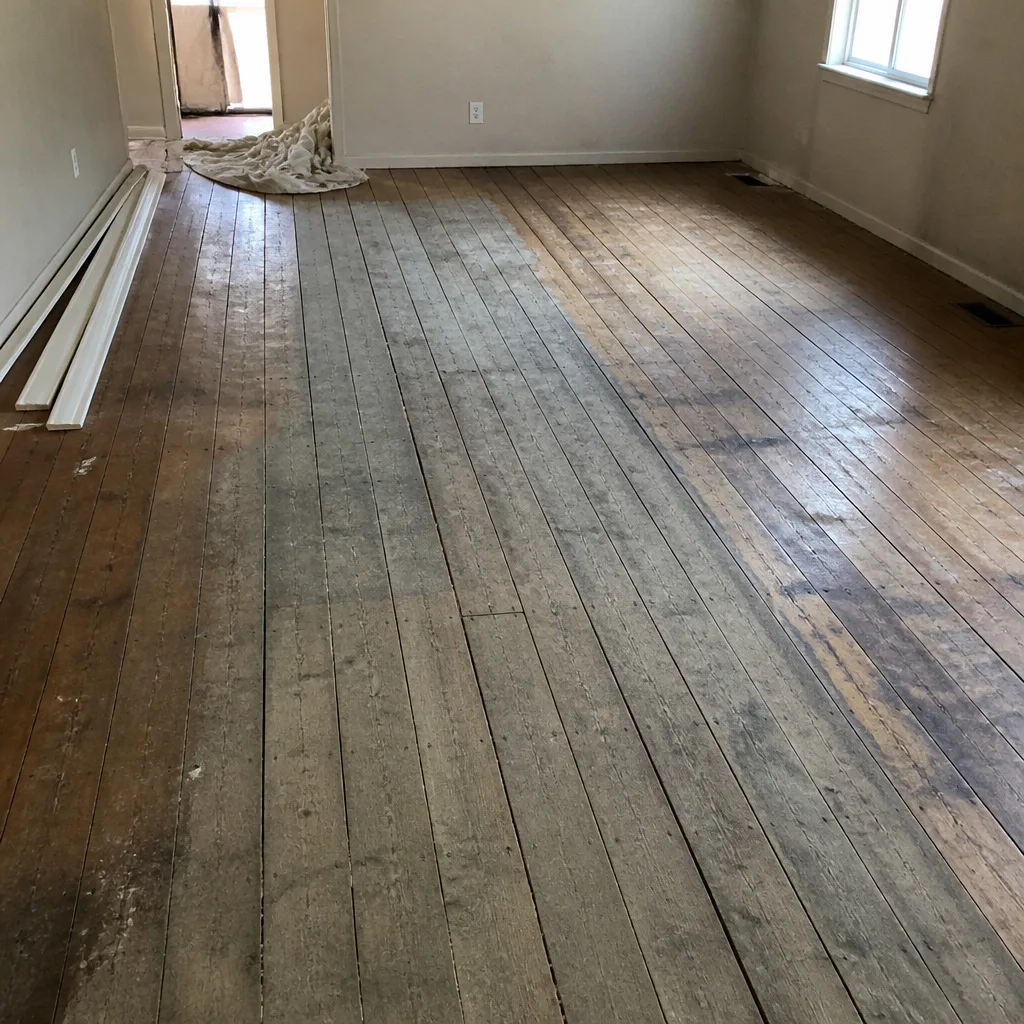 Before
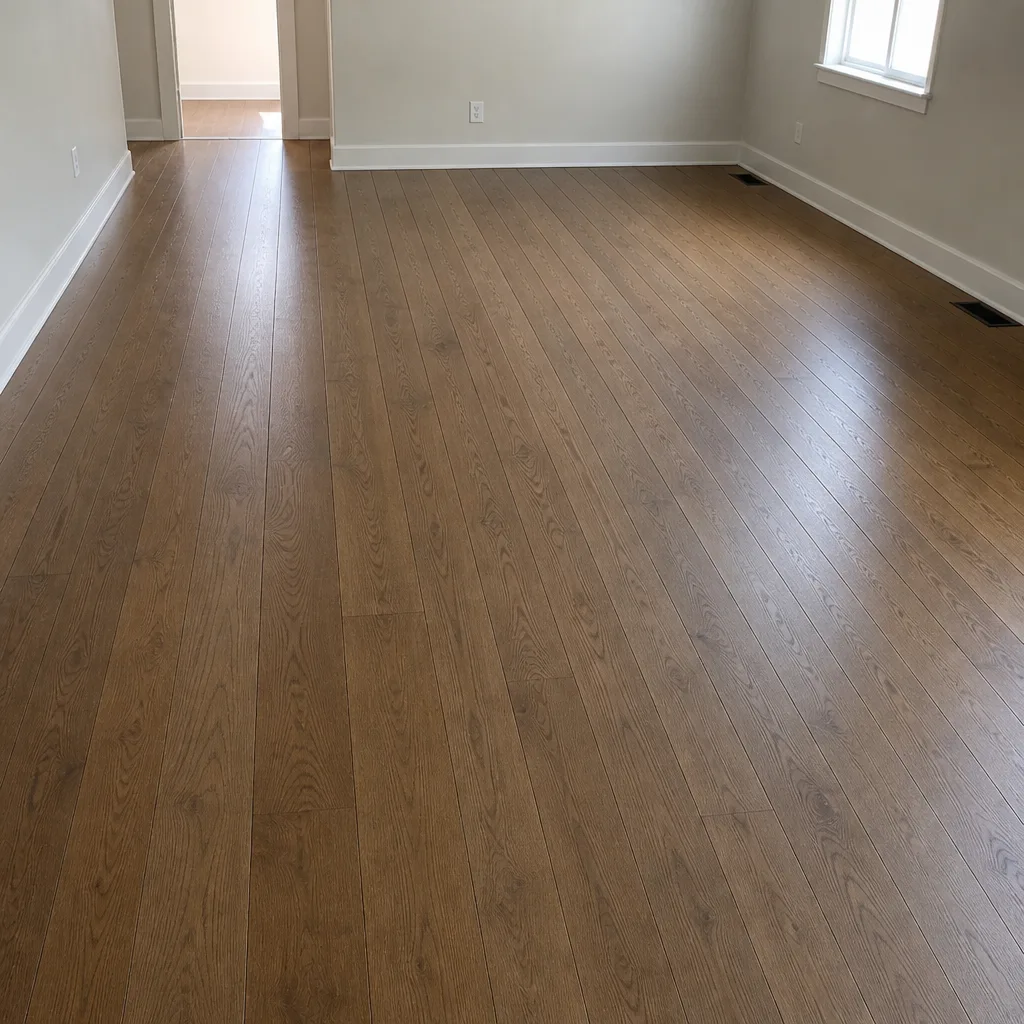 After
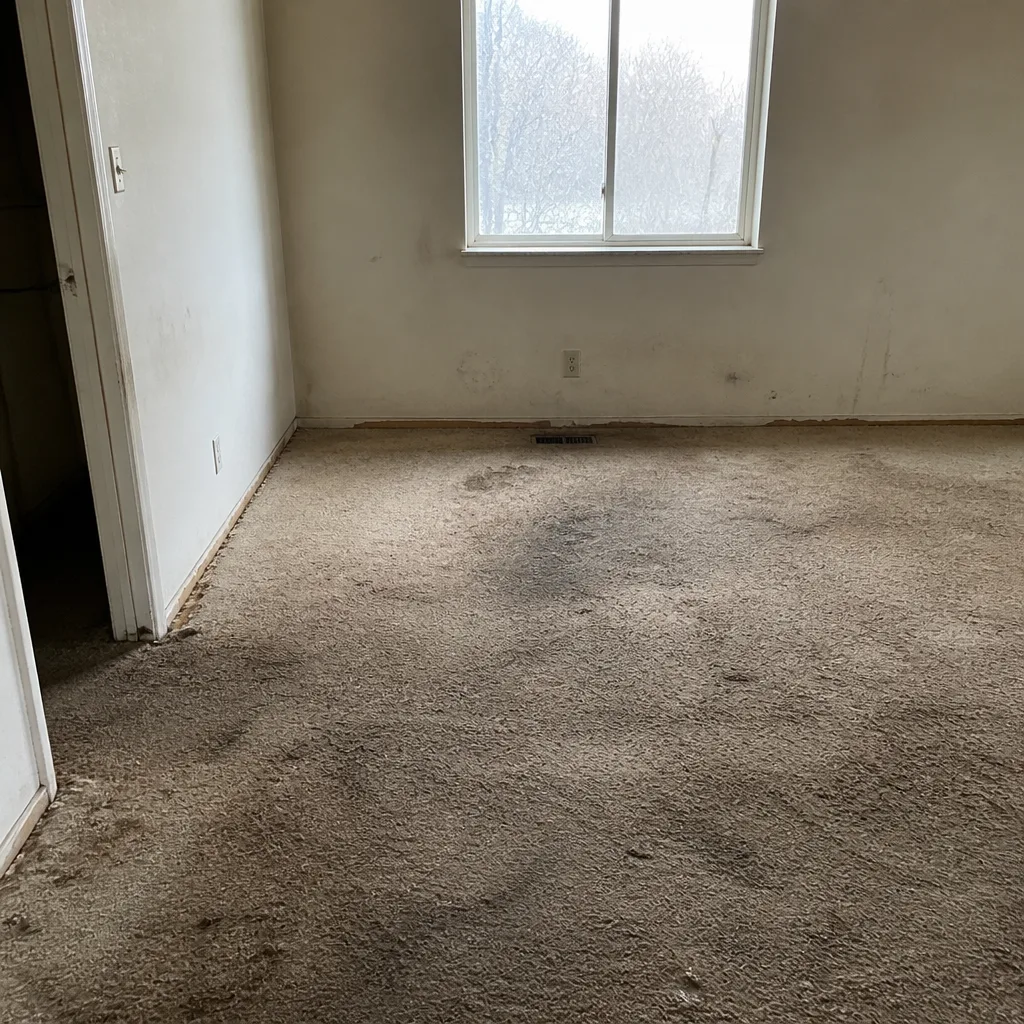 Before
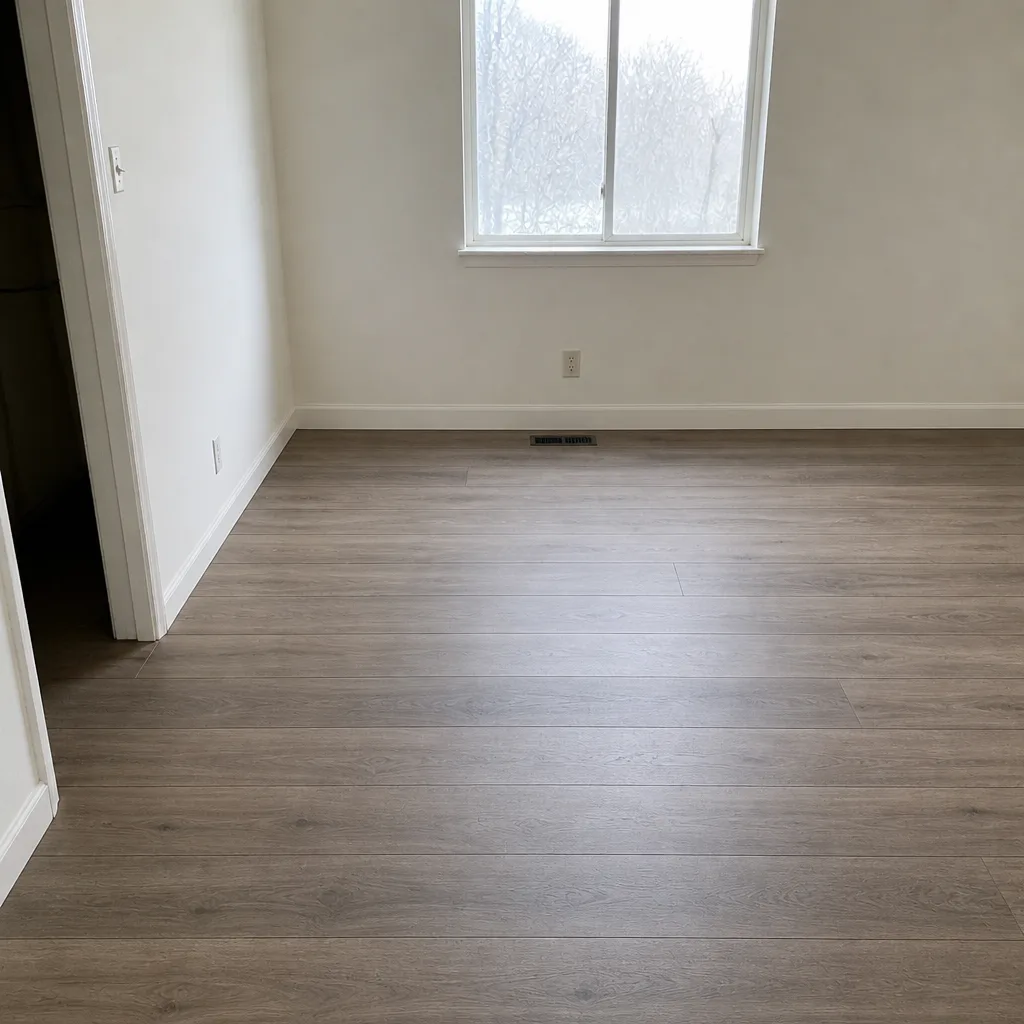 After
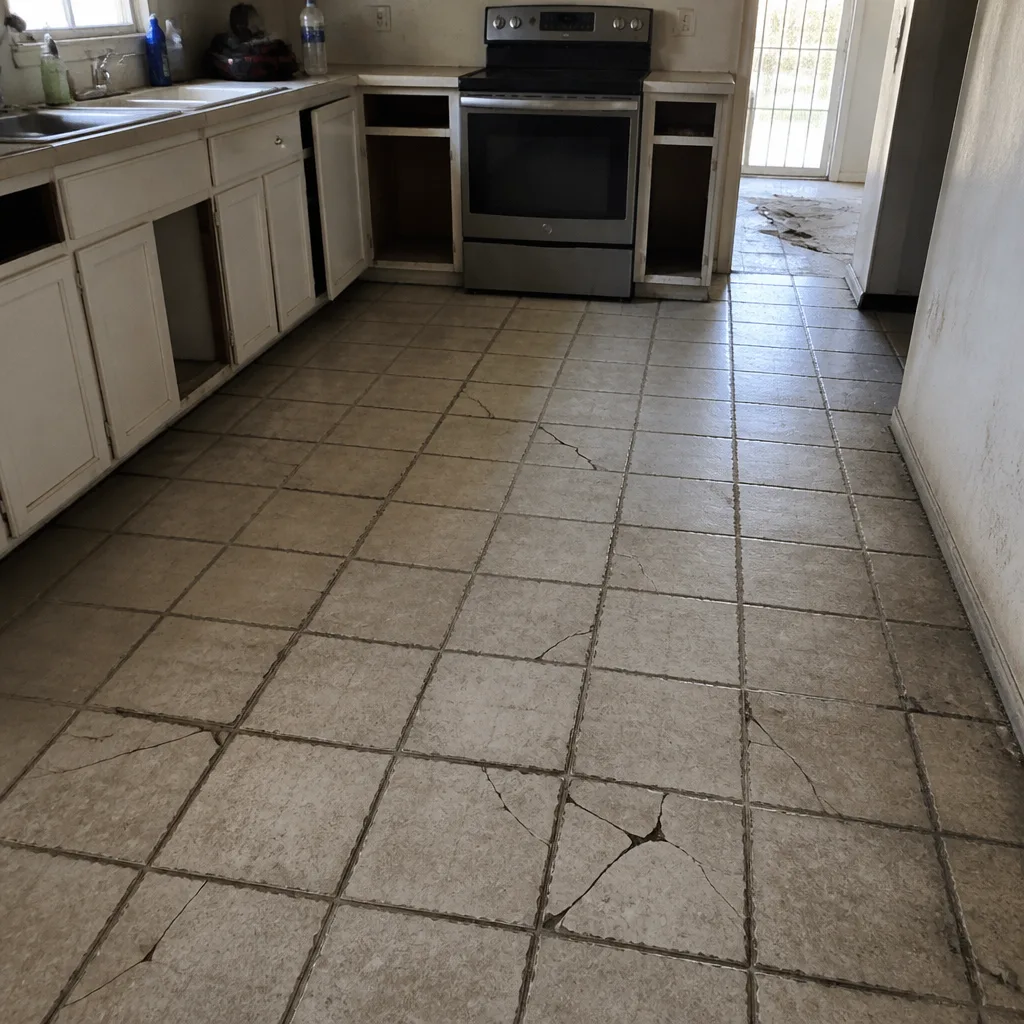 Before
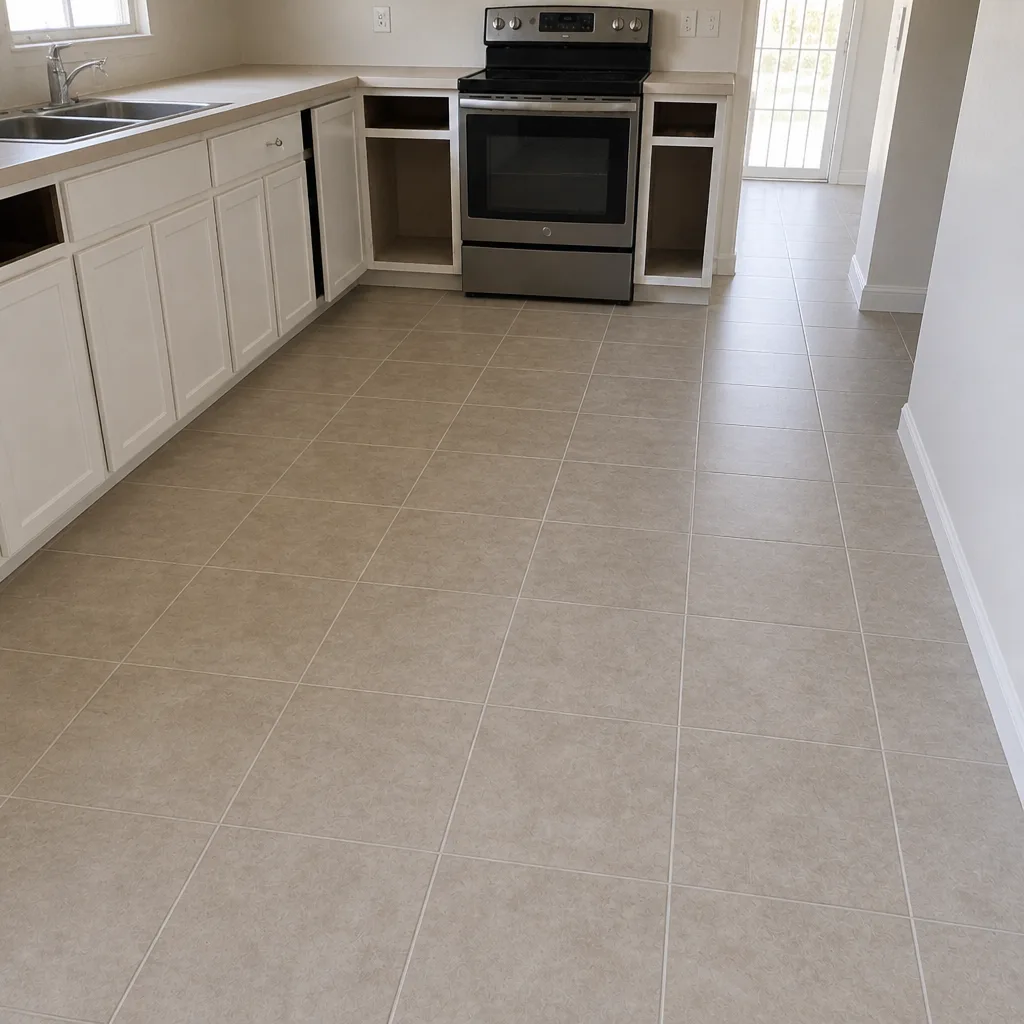 After
When to Call a Professional
Some flooring projects fall clearly into the do-it-yourself range and some don’t. Call a professional when the subfloor is unclear (a slab with unknown moisture, a wood subfloor that sags, or a floor that previously failed), when tile is involved (substrate, layout, and grout are unforgiving of small errors), when a hardwood floor needs sanding and refinishing (sanding dust, finish application, and edge work are difficult to get right in a working home), or when the project spans more than one room and the materials need to line up. Call us before you’ve decided the material, not after – the conversation about subfloor and moisture changes the material choice. Flooring Whitney offers free estimates in Whitney – call (833) 734-5603 to schedule yours. We answer 24/7. Fast dispatch from 7am to 7pm, Sunday through Friday.
Frequently Asked Questions
No, and it’s not worse either. Vinyl plank is better for wet slabs, short tenures, pet-heavy homes, and any space where moisture will occasionally win. Hardwood is better for long tenures where refinishing matters and for homes with stable indoor humidity. Match the material to the conditions and the answer is straightforward; the debate gets hard only when we try to pick one floor for all homes.
Waterproof on a vinyl plank means the plank itself won’t warp, swell, or delaminate from surface water. It doesn’t cover moisture coming up from below, water getting behind the floor at walls or appliances, or slow leaks under a dishwasher. The plank survives surface water; the subfloor still has to be prepared correctly. Call (833) 734-5603 if you want to talk through your specific room before you pick a product.
Sometimes. Refinishing depends on the thickness of the wood, the number of previous sandings, cupping or damage from moisture, and the species. An engineered hardwood with a thin wear layer may not tolerate another pass. The right answer comes from looking at the wood in person, not over the phone. Call (833) 734-5603 for a free estimate and a look at your floor. We answer 24/7. Fast dispatch from 7am to 7pm, Sunday through Friday.
Tile belongs in bathrooms, kitchens, entryways, and laundry rooms – anywhere water, grit, or dropped items live. In a dry Nevada climate, grout maintenance is easier than in humid markets, and a porcelain tile floor will outlast almost anything else. Vinyl plank does the living areas and bedrooms well, and the two materials combine neatly in a mixed-floor plan.
Start with the category, then the brand. For vinyl plank, COREtec and LifeProof cover most of what Whitney homeowners ask for; Karndean adds design-forward visuals. For laminate, Mannington and Mohawk. For tile, Daltile porcelain covers kitchens and bathrooms at a range of price points. For hardwood and engineered, Shaw, Mohawk, and Armstrong all have lines that fit typical Whitney homes. Free estimates are available whichever brand you’re leaning toward.
The schedule is set at the estimate, after measurements and product selection. It depends on which material is chosen, how much prep the subfloor needs, and whether we’re installing new floors or refinishing an existing hardwood floor. The written estimate that follows your free in-home measure names the install date and the expected span. Call (833) 734-5603 to get the process started – there’s no charge for the estimate, and it’s the number that holds.
The Bottom Line
The hardwood-versus-vinyl-versus-laminate-versus-tile question isn’t a taste contest – it’s a conditions question. Subfloor first, moisture second, tenure third. Hardwood wins when the wood has thickness to refinish and the home’s humidity is stable. Vinyl plank wins on wet slabs, short tenures, and pets. Laminate still earns its keep in dry, low-traffic rooms. Tile is underrated in Whitney and deserves a serious look for kitchens, baths, and entries. Get the subfloor read, get the moisture checked, and let the written estimate be the number you decide from. Our team at Flooring Whitney walks the whole process with you, across nine brands and three services, under one contractor.
Call (833) 734-5603 for a free estimate. We answer 24/7. Fast dispatch from 7am to 7pm, Sunday through Friday.
Written by the team at Flooring Whitney.